 Lynden
 Window Replacement Near the Aldergrove Border Crossing
Aldergrove sits just across the line from Lynden, close enough to the Aldergrove–Lynden border crossing that homeowners on both sides deal with the same weather, the same building stock era, and often the same window problems. A house in Aldergrove doesn't get some special exemption from Pacific Northwest weather just because it's north of the line — it takes the same driving rain off the Fraser Valley, the same long damp season, and the same slow moss creep that homes in Whatcom County deal with every year.
We're a Lynden-based siding and exteriors crew, and window replacement for homes close to the border is a regular part of our work. This page is about that one job, done right, for this one area — not a generic rundown of window brands.
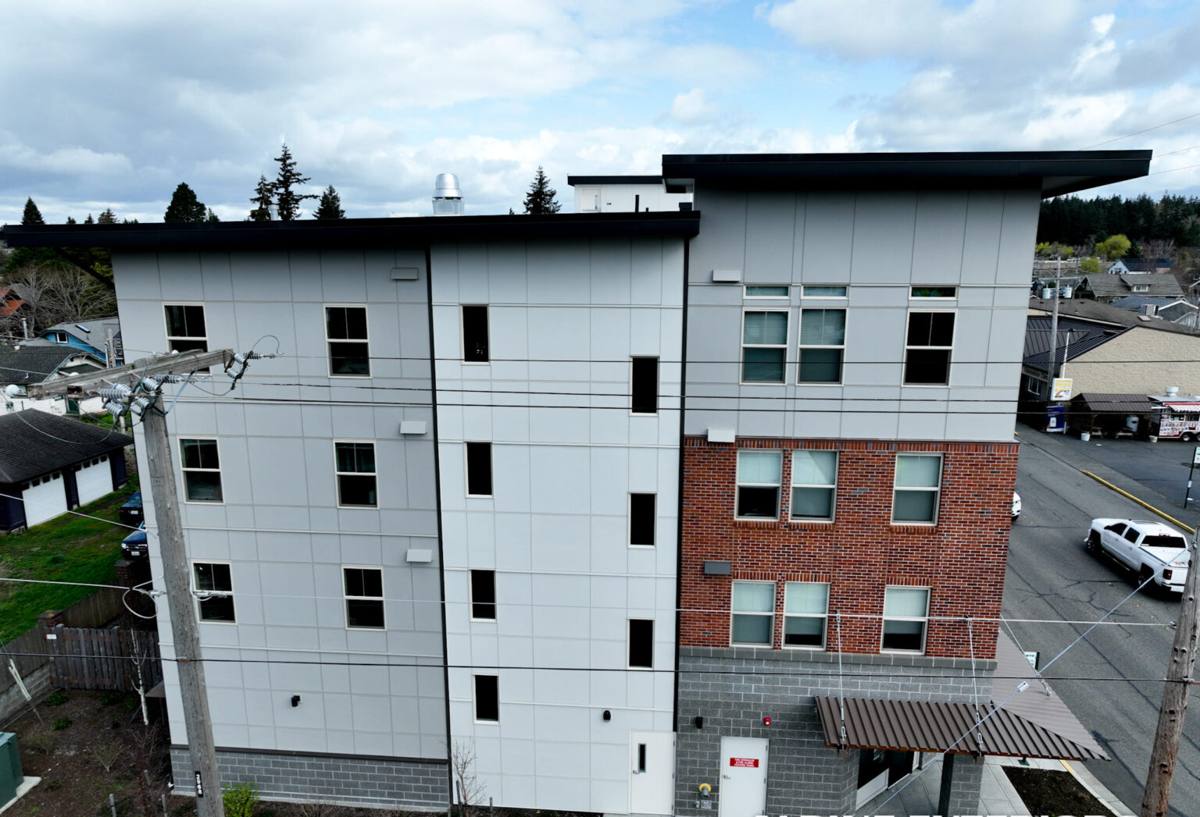
What This Climate Actually Does to Windows
Before talking about products or process, it helps to know what's actually failing and why. Most window problems here aren't random — they follow a pattern tied directly to the regional climate.
Driving rain and wind-driven moisture
Storms off the water don't just drop rain straight down — wind pushes it sideways, into seams, under trim, and against glazing that was never designed to take water from that angle. Older windows and older installations, ones that relied on caulk alone instead of proper flashing, are the first to let that moisture in.
Salt air and slow corrosion
Homes closer to open water and tidal air deal with a fine, constant salt exposure that speeds up corrosion on window hardware — hinges, cranks, locking mechanisms, and aluminum components. It's slow, it's not dramatic, and it's easy to miss until a window won't latch properly anymore.
The long moss season
Damp shade for most of the year means moss and algae don't stay confined to roofs. They creep onto sills, into corner joints, and along any horizontal surface where water sits instead of draining. Trapped moisture behind that growth is what quietly rots wood sills and frames from the inside out, long before it's visible from the street.
Condensation and humidity swings
Interior humidity, combined with cold glass in winter, causes condensation that runs down onto sills and frames. In a well-sealed, properly insulated window this is manageable. In an aging or poorly sealed unit, it becomes a steady source of moisture that never fully dries out between rain events.
Signs an Aldergrove-Area Home Needs Window Replacement
Not every window problem means full replacement — some are fixable with maintenance. Here's how to tell the difference.
- Visible fogging or a permanent haze between panes (failed seal on double- or triple-glazed units)
- Soft or spongy wood at the sill or lower frame corners
- Windows that won't stay open, won't latch, or have become difficult to operate
- Persistent condensation on the inside of the glass, even in mild weather
- Visible moss or dark staining collecting at the sill or lower corners
- Noticeable drafts or cold spots near the frame, even with the window closed
- Paint that keeps failing on the frame no matter how often it's repainted
- Rising heating bills without another clear explanation
One or two of these on their own might just mean a repair or a re-caulk. Several together, especially soft wood or persistent moisture, usually mean the window has moved past the point where patching makes sense.
What a Correct Window Replacement Job Actually Involves
The window unit itself only accounts for part of how well a replacement performs. Installation quality is what determines whether it holds up through years of driving rain and moss season, or starts failing again in five years.
Removal without hidden damage
Pulling the old window out is also the point where hidden rot, soft sheathing, or old flashing mistakes get discovered. A correct job stops here if something's wrong underneath — it doesn't just seal a new window over a rotten opening.
Flashing and weather barrier, not just caulk
The single biggest difference between a window that lasts and one that leaks again in a few years is proper flashing integration with the house's weather-resistive barrier — sill pan flashing, correctly lapped side and head flashing, and sealant used to supplement that system, not substitute for it. Caulk alone is not a weatherproofing strategy in a climate that gets sideways rain.
Air sealing and insulation at the rough opening
The gap between the window frame and the rough opening needs to be sealed and insulated correctly — not overpacked with expanding foam that can bow the frame, and not left with gaps that become a draft and a moisture path.
Level, plumb, and square, checked — not assumed
A window installed slightly out of square will bind, won't seal evenly, and puts uneven stress on the frame over time. This gets checked, not eyeballed.
Choosing the Right Window for This Area
There's no single "best" window material — it's a tradeoff between upfront cost, maintenance, and how well each option handles sustained damp exposure. Here's how the common options compare for a home in this climate.
| Frame Material | Moisture Handling | Maintenance | Typical Lifespan |
|---|---|---|---|
| Vinyl | Doesn't rot or corrode; seams and welds are the weak point if poorly made | Low — occasional cleaning | 20-30+ years |
| Fiberglass | Excellent — dimensionally stable, doesn't absorb moisture | Low | 30-40+ years |
| Wood | Vulnerable without diligent upkeep; classic look but highest risk in this climate | High — regular painting/sealing | Varies widely with maintenance |
| Wood-clad (wood interior, metal/composite exterior) | Good on the exterior face; interior wood still needs a dry indoor environment | Moderate | 25-35 years with care |
| Aluminum | Prone to condensation and corrosion in salt-air exposure without a thermal break | Moderate | 20-30 years |
For most homes in this area, we steer people toward vinyl or fiberglass because they don't ask for ongoing upkeep to keep moisture out — that's a maintenance burden most homeowners don't want to carry for the next 20 years. We'll still install wood or wood-clad if that's the look a homeowner wants; we just make sure they understand the tradeoff going in.
Glazing worth asking about
Double-pane, low-E, argon-filled glass is the practical standard here — it cuts heat loss and reduces the condensation problems that come with cold glass and a humid PNW winter. Triple-pane is available and adds performance, but for most homes in this area the added cost doesn't pencil out against double-pane low-E unless the home has an unusually cold or exposed elevation.
Our Process
- On-site assessment — we look at the existing windows, the condition of the framing around them, and how the house is oriented to wind and rain before recommending anything.
- Honest scope and quote — what needs replacing, what's still sound, and what it will cost, in plain terms.
- Removal and inspection — old units come out and we check the opening for hidden rot or damage before anything new goes in.
- Correct flashing and air-sealing — every opening gets proper flashing integration and sealing, not shortcuts.
- Installation, leveled and sealed — set plumb, square, and fastened to manufacturer spec.
- Final walkthrough — we check operation, seals, and finish work with you before calling it done.
What Affects the Cost
| Factor | Why It Matters |
|---|---|
| Number and size of windows | Larger openings and more units mean more material and labor |
| Frame material chosen | Vinyl, fiberglass, and wood carry different unit costs |
| Condition of the existing opening | Rot or damage found during removal adds repair work before install |
| Access and story height | Second-story or hard-to-reach windows take more time and equipment |
| Full-frame vs. insert replacement | Full-frame replaces flashing and trim too; inserts reuse the existing frame where it's still sound |
We won't quote a job without seeing it — window pricing varies too much house to house to give a meaningful number sight unseen. What we can promise is a clear, itemized quote with no surprise add-ons once work starts.
Why a Crew That Already Works This Area Matters
Being based in Lynden, right at the border, means we're already familiar with the housing stock, the weather exposure, and the kind of moisture damage that shows up on homes in and around Aldergrove. That's not a small thing — a crew that mostly works drier or milder regions can under-spec flashing and sealing details that matter a lot here, because they don't see the consequences of skipping them the way we do.
It also means practical convenience: a crew close to the border can schedule site visits, follow up on a completed job, or come back for a warranty check without treating it as a special trip. For a job like window replacement, where the quality of the install matters as much as the product itself, that local familiarity is part of what you're paying for.
Get a Free, No-Pressure Estimate
If your windows in the Aldergrove or Lynden area are fogging, drafting, sticking, or showing soft wood at the sill, it's worth having someone take a look before those problems spread into the surrounding wall framing. Fill out the form below for a free estimate — no pressure, no obligation, just a straight assessment of what your windows actually need.