 Lynden
 Siding Repair Built for Deming's Climate, Not Just the Damage You Can See
Deming sits in a part of Whatcom County where the weather doesn't let up on a house. Moisture-laden air moves through the valley most of the year, driving rain comes in sideways during fall and winter storms, and shaded, tree-lined lots hold dampness long after a storm has passed. That combination is exactly what siding was designed to handle — and exactly what wears siding down when it's the wrong material, installed poorly, or simply aging out of its service life.
When we get a repair call from a Deming homeowner, we're not just patching a hole or replacing a cracked board. We're looking at why that section failed in the first place, because in this climate, a repair that doesn't address the underlying moisture path just becomes next year's bigger repair.
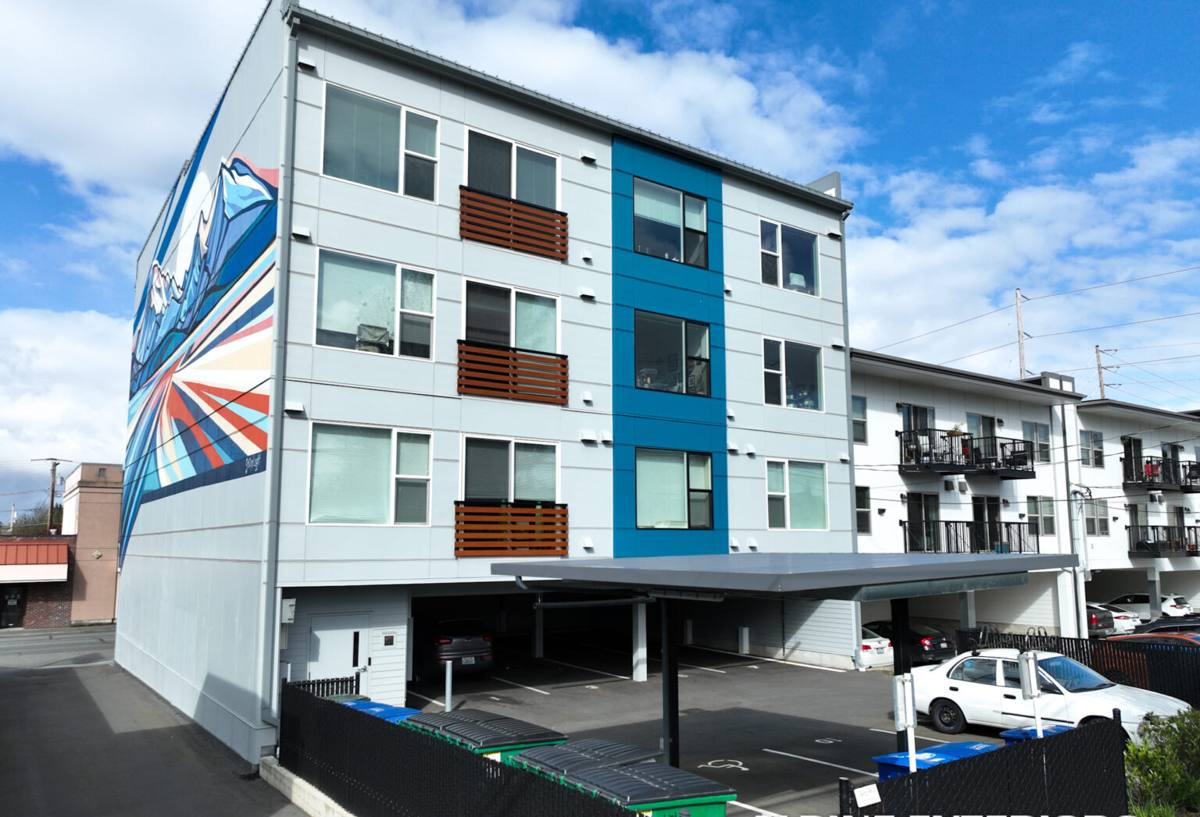
Why Local Homes Take a Beating
Salt Air and Corrosion
Whatcom County's proximity to the Salish Sea means salt-laden air reaches further inland than people expect, especially during windy weather. Over years, that air accelerates corrosion on fasteners, flashing, and any metal trim tied into the siding system. Once a fastener starts to rust, it loses grip, and the siding panel it's holding starts to work loose — which is often the actual root cause behind boards that look like they've simply "come away from the wall."
Driving Rain
Storms here don't just fall straight down. Wind-driven rain gets pushed sideways into every seam, joint, and butt edge on a wall. Siding systems rely on lapped joints, proper caulking at penetrations, and correct flashing to shed that water. When any one of those details is off — even slightly — water finds its way behind the siding instead of running off it.
Moss and Sustained Dampness
Deming's tree cover and valley humidity mean north-facing and shaded walls often carry moss and algae for months at a time. Moss holds moisture directly against the siding surface far longer than open, sun-exposed walls ever experience. On wood-based products, that sustained dampness is what leads to soft spots, delamination, and rot. On fiber cement, it's mostly a cosmetic and maintenance issue — but only if the product and the finish were built to handle it.
Signs a Deming Home Needs Siding Repair
Most siding problems don't announce themselves as a dramatic failure. They show up as small, easy-to-dismiss details first. Homeowners who catch these early save real money down the line.
- Boards that are soft, spongy, or flex when you press on them
- Visible cracking, splitting, or bowing, especially near corners and butt joints
- Paint that's peeling, bubbling, or failing faster than it should
- Persistent moss or dark staining that keeps coming back after cleaning
- Gaps opening up at seams, trim boards, or window and door casings
- Rust streaks below fasteners or metal flashing
- Musty smell or visible staining on interior walls that back up to exterior siding
- Siding that feels loose or shifts slightly when tapped
Any one of these on its own might be minor. Several together, especially on the same wall, usually mean there's a moisture path that's been active for a while.
What a Correct Repair Actually Involves
A siding repair that's done right is not just swapping a damaged board for a new one and calling it done. It's a diagnostic process, and it should be treated that way every time.
1. Find the Real Cause
Before anything gets replaced, we look at what let water or damage in — a failed caulk joint, missing flashing, a fastener that backed out, poor original installation, or simple age. Replacing the visible damage without fixing the entry point means the same failure comes back.
2. Check What's Behind the Siding
Once panels or boards are pulled, we look at the water-resistive barrier, the sheathing, and any framing that's exposed. If there's rot or soft sheathing behind the siding, that has to be addressed before new material goes back on — patching over a compromised substrate just hides the problem.
3. Match or Upgrade the Material
On older homes, exact color and profile matches for existing siding aren't always available, especially with discontinued products. We're upfront with Deming homeowners about when a true match isn't possible, and when it makes more sense to repair with a compatible product or plan for a broader replacement down the road.
4. Rebuild the Water Management, Not Just the Surface
Correct flashing at windows, doors, and penetrations; proper lapping; and sealed, not just cosmetic, joints are what keep driving rain out. This is the step that gets skipped most often on rushed repairs, and it's usually why the same spot fails again within a year or two.
Repair vs. Replacement: How We Help You Decide
| Factor | Repair Usually Makes Sense | Replacement Should Be Considered |
|---|---|---|
| Extent of damage | Isolated to one or two areas | Spread across multiple walls or elevations |
| Underlying cause | Single identifiable issue (flashing, fastener, impact damage) | Systemic moisture problems behind the siding |
| Age of existing siding | Mid-life, otherwise sound | At or past its expected service life |
| Material condition | Surrounding siding is stable and holding paint/finish well | Widespread softness, cracking, or finish failure |
| Material match availability | Close match available | Discontinued profile or color, patchwork would be visible |
We'll always tell you honestly which side of that table your home falls on. A repair that's genuinely the right call is the right call — we don't upsell a full replacement when a targeted fix will hold up.
Our Repair Process for Deming Homeowners
- On-site assessment — we walk the exterior, check the areas you're concerned about, and look for related issues you may not have noticed.
- Honest diagnosis — we explain what's actually causing the damage, not just what's visible.
- Written scope and estimate — clear on what's being repaired, what material is used, and why.
- Removal and inspection — damaged siding comes off, sheathing and barrier get checked before anything new goes back.
- Repair or reinstallation — correct flashing, fastening, and sealing, done to manufacturer spec.
- Final walkthrough — we show you what was done and what to watch going forward.
Why We Repair and Rebuild With James Hardie
When repair work calls for new siding material — whether it's a patch section or a larger area — we use James Hardie fiber cement. It's the only siding product we install, and that standard applies to repair work the same as full jobs. There are a few reasons that matters specifically in a climate like Deming's.
Fiber cement doesn't absorb and hold water the way wood-based products do, so it isn't prone to the soft, spongy failure that drives most of the repair calls we see. It's also engineered for moisture exposure — Hardie's HZ5 product line, in particular, is built for climates like the Pacific Northwest's, where sustained dampness and driving rain are the norm rather than the exception. The factory-applied ColorPlus finish holds up to UV and moisture cycling better than field-applied paint, which matters on a wall that spends half the year shaded and damp. And because it's non-combustible, it doesn't add the fire-related maintenance and inspection concerns that come with some other exterior materials.
When we patch into existing non-Hardie siding, we're transparent about the limits of that approach — a true seamless match usually isn't possible, and we'll tell you that up front rather than after the fact.
Why Hiring a Crew That Already Works Deming Matters
Siding repair is detail work, and the details that matter here are shaped by this specific corner of Whatcom County — the amount of shade a given lot gets, how exposed a wall is to prevailing wind and rain, how long moss sits before it's dealt with, and what a normal winter actually throws at a house here versus a drier part of the state. A crew that works this area regularly isn't guessing at any of that. We know what correct flashing and fastening for this climate looks like, and we know what a rushed or undersized repair looks like a year later, because we've seen both.
We also know that access, timing around weather windows, and material lead times work differently out here than in denser parts of the county — which means fewer surprises and delays once a repair is scheduled.
Keeping Repaired Siding Sound Afterward
- Rinse moss and algae off shaded walls once or twice a year with a soft wash — avoid pressure washing directly into seams
- Keep gutters clear so overflow doesn't run down the wall face
- Trim back vegetation that keeps a wall shaded and damp
- Re-caulk exposed joints and penetrations if you notice cracking, rather than waiting for a leak
- Walk the exterior after major storms and note anything that looks different
- Have any repaired area checked at the next routine exterior inspection
None of this is complicated, but it's the difference between a repair that lasts and one that's a repeat visit waiting to happen.
If you're dealing with damaged, aging, or failing siding on a Deming home, we're happy to take a look and give you a straight answer on what it needs. Reach out for a free, no-pressure estimate using the form below.