 Lynden
 Siding Built for Kendall's Weather, Not Just Its Curb Appeal
Kendall sits in a part of Whatcom County where the weather doesn't do anything by halves. Homes here take on driving rain off the foothills, damp marine air working its way up from the Salish Sea, and long stretches of gray, wet months where surfaces barely get a chance to dry out before the next system rolls through. That combination is hard on exterior siding, especially anything that relies on paint film or caulk joints to keep water out. If you're planning a siding installation in Kendall, the product and the installation details matter more than they would in a drier climate.
We install James Hardie fiber cement siding exclusively, and we've built our installation process around what actually holds up in this corner of Washington. This page walks through what Kendall homes need from a siding job, what correct installation looks like, and how our process works from first visit to final walkthrough.
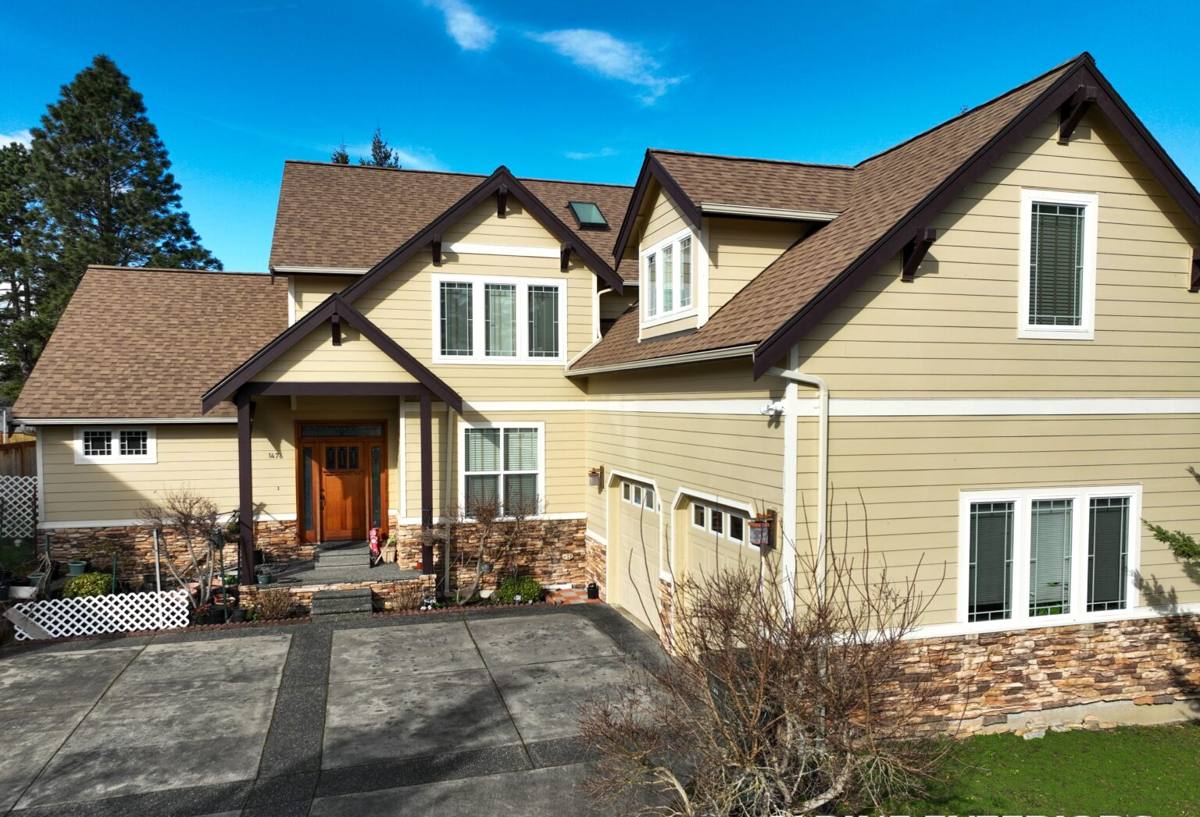
What Kendall's Climate Actually Does to Siding
Whatcom County's climate isn't dramatic, it's persistent — and persistence is what wears siding down. A few specific stressors show up again and again on homes in and around Kendall:
- Salt-tinged marine air: Even away from the immediate coastline, airborne salt and moisture accelerate corrosion on fasteners, trim, and any metal flashing that isn't properly rated or protected.
- Driving, wind-pushed rain: Rain in this area doesn't just fall straight down. Wind pushes it sideways into wall assemblies, which means lap joints, butt joints, and penetrations (hose bibs, vents, light fixtures) take on more water exposure than a calm-climate installation would ever see.
- A long moss and algae season: Shaded north and east walls, tree cover, and extended damp periods give moss and algae months of favorable growing conditions. Siding with an absorbent surface or a factory finish that traps moisture stays wet longer and feeds that growth.
- Temperature swings between seasons: Wood-based and wood-fiber products expand and contract with moisture content. Over enough cycles, that movement stresses paint film and joints, which is where the maintenance burden really starts.
None of this is unique to Kendall specifically, but it's a fair summary of what the wider Lynden and Whatcom County area throws at an exterior wall year after year. The right siding product and installation approach account for all four of these stressors at once, not just one or two.
Why We Only Install James Hardie in This Area
James Hardie fiber cement is a cement-and-cellulose composite, not a wood product. That distinction matters directly for the conditions above:
- It doesn't absorb and swell with moisture the way wood-based sidings do, so it holds paint and factory finish longer without the peeling and cracking that comes from repeated wet-dry cycling.
- It's non-combustible, which is a real consideration anywhere in Washington given wildfire smoke seasons and insurance underwriting trends.
- Hardie's ColorPlus factory finish is baked on under controlled conditions and backed by its own finish warranty, so it isn't relying on a field-applied paint job to perform in wet weather.
- Hardie's HZ5 product line is engineered specifically for climates with freeze-thaw cycling and sustained moisture exposure, which fits the Pacific Northwest better than a generic national product.
We don't install LP SmartSide, vinyl, Cemplank, Allura, primed spruce, or cedar. Each of those has legitimate uses elsewhere, but we've made a deliberate call to standardize on one product system we can install to spec, warranty with confidence, and stand behind on homes we work on repeatedly in this area. That consistency is also why our crews get faster and more precise with Hardie installation the more Kendall-area jobs they do — they're not relearning a different product's quirks on every job.
What a Correct Siding Installation Actually Involves
Siding failures around here are rarely about the siding material itself — they're almost always about what's underneath it or how the joints were handled. A correct installation addresses each of these layers:
Water-Resistive Barrier and Flashing
Every wall gets a continuous weather-resistive barrier installed per manufacturer specification, with flashing integrated at every window, door, and penetration so water is directed out and down, never trapped behind the cladding. This is the layer that does the real work when wind-driven rain hits the wall — the siding is the second line of defense, not the first.
Proper Clearances and Gaps
Hardie siding requires specific clearances from grade, roof lines, decks, and other flashing details, along with gaps at butt joints to accommodate normal material movement. Skipping these clearances is one of the most common causes of moisture intrusion and premature rot in the framing behind otherwise good siding.
Fastening Specification
Fastener type, spacing, and penetration depth all follow Hardie's published installation instructions. Corrosion-resistant fasteners matter more here than in a dry inland climate — this is one of the direct consequences of the marine air Kendall sees.
Caulking and Sealant Discipline
Sealant is used at specific joints per manufacturer guidance, not as a blanket fix for gaps that shouldn't exist in the first place. Over-reliance on caulk is a sign of an installation cutting corners, since caulk is a maintenance item that degrades — good detailing shouldn't depend on it holding forever.
Trim and Transition Details
Corners, transitions between siding and other materials (stone veneer, garage surrounds, roof lines), and areas around outdoor fixtures are where most callbacks happen on any exterior. These get the same attention to flashing and clearance as the field of siding itself.
Comparing the Practical Trade-Offs
Homeowners in Kendall often ask us to explain, in plain terms, why product choice matters as much as workmanship. Here's a straightforward comparison of how common siding materials perform against the specific conditions this area sees:
| Factor | James Hardie Fiber Cement | Wood-Based Products (cedar, primed spruce, LP-style) | Vinyl |
|---|---|---|---|
| Moisture absorption | Very low — cement-based, doesn't swell | Higher — wood fiber absorbs and releases moisture | Non-absorbent, but seams and gaps can trap water behind panels |
| Moss/algae resistance | Factory finish resists buildup, cleans up well | More porous surface, holds moisture longer | Resists growth on the surface but shaded seams still collect grime |
| Fire resistance | Non-combustible | Combustible | Can soften or deform under heat |
| Finish longevity | Factory ColorPlus finish, warrantied | Field-applied paint, shorter repaint cycle | Color molded in, but fades and chalks with UV over time |
| Movement with weather swings | Minimal expansion/contraction | Noticeable swelling and shrinking | Significant expansion/contraction, especially in temperature swings |
This isn't a claim that other products are unusable — it's why, given what we see on homes in this climate, we've chosen to install only one system and install it correctly rather than offer several and compromise on any of them.
Our Process for a Kendall Siding Installation
A siding job on a Kendall property generally moves through the same sequence, though timeline and scope shift with the size and condition of the home:
- On-site assessment: We look at the existing siding, sheathing condition, trim, flashing, and any problem areas (moss buildup, soft spots, staining) before quoting anything.
- Scope and product selection: We walk through Hardie board profiles, textures, and colors that fit the home and the neighborhood, and confirm the HZ5 specification appropriate for this climate.
- Removal and substrate check: Old siding comes off, and we inspect the sheathing and framing underneath for any moisture damage before it's covered back up — this is the point where hidden problems get caught and addressed, not buried.
- Weather barrier and flashing installation: New water-resistive barrier and flashing go in at every penetration and transition, per manufacturer spec.
- Hardie siding installation: Boards are installed with correct clearances, fastening, and joint treatment throughout.
- Trim, caulking, and touch-up: Final trim details and any factory-finish touch-up are completed to match the ColorPlus system.
- Walkthrough: We go over the finished job with the homeowner and cover basic care and what to expect long-term.
What to Check Before Hiring Any Siding Contractor Locally
- Do they specify the exact Hardie (or other) product line and installation spec they'll use — not just "fiber cement siding"?
- Will they inspect and report on sheathing condition before re-siding, rather than siding over unknown problems?
- Do they carry manufacturer certification or documented experience installing the specific product line?
- Is flashing and water-resistive barrier work itemized in the estimate, or lumped in as an assumption?
- Do they have a clear answer for how they handle clearances at decks, grade, and roof lines — the spots most prone to failure?
Why Local Experience in This Area Matters
A crew that regularly works Kendall and the surrounding Lynden area already knows how the local moisture patterns, tree cover, and exposure angles tend to play out on a house, before they even open the estimate. That's not a substitute for a proper on-site assessment of your specific home, but it does mean fewer surprises mid-job and installation details that are already dialed in for what this climate demands — correct clearances, the right fastener spec, and flashing details that account for wind-driven rain rather than a generic install written for a milder region.
Get a Free, No-Pressure Estimate
If your Kendall-area home needs new siding or you're weighing whether to repair versus replace, we're happy to take a look and walk you through what we'd recommend and why. Use the form below to request a free estimate — no pressure, just a straight assessment of your home's siding and what it actually needs.