 Lynden
 Deck Repair Built for Kendall's Climate
Kendall sits at the edge of Whatcom County where marine air off the Salish Sea meets the foothill weather rolling down from the North Cascades. That combination means decks here take a beating that decks in drier parts of the state simply don't. Long stretches of drizzle, driving rain that comes in sideways off a west wind, salt-tinged air working its way inland, and a moss season that can run from October through May all combine to attack wood, fasteners, and finishes at the same time. A deck that looks fine from a distance can be hiding soft framing, corroded hardware, or trapped moisture underneath a coat of paint or stain.
We work on decks throughout the Lynden area, including Kendall, and we've learned that repair here isn't just about swapping a few boards. It's about understanding how water moves through a structure in this climate and fixing the parts that actually fail first.
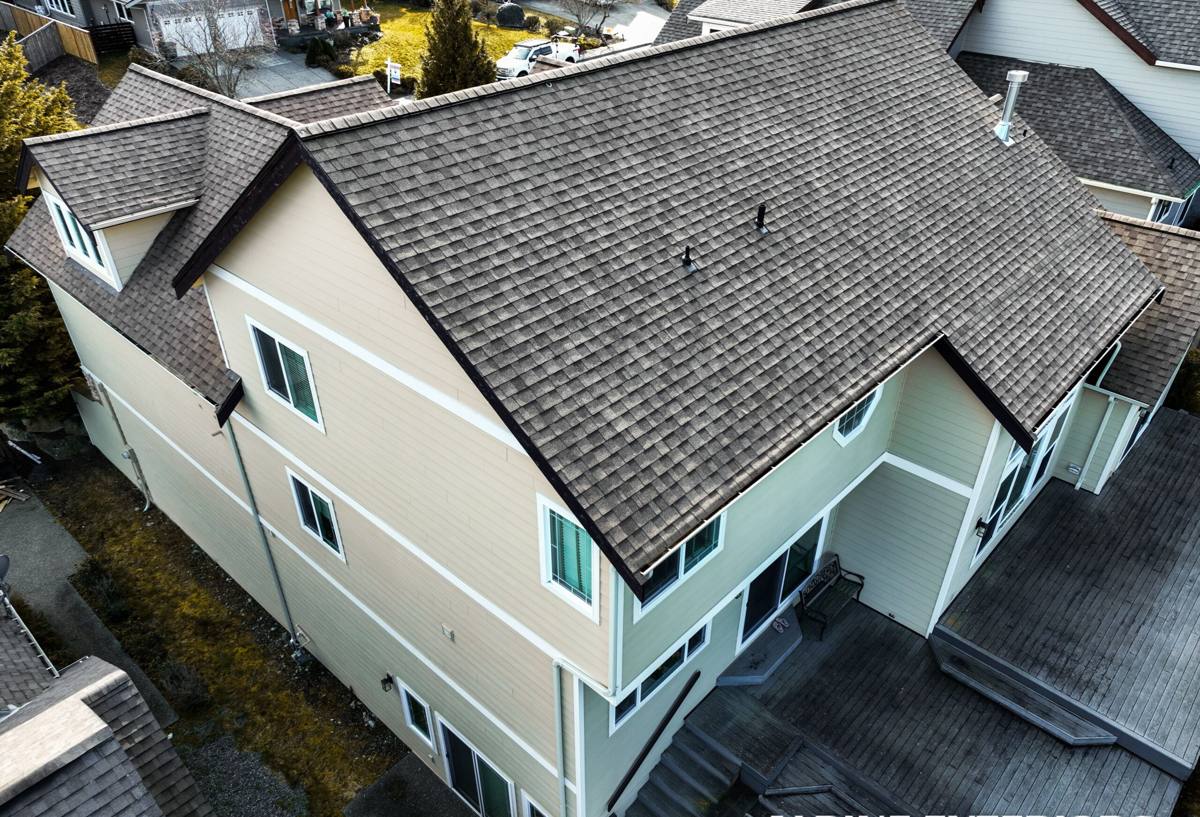
Why Decks Fail Faster in This Part of Whatcom County
Moisture That Never Fully Dries
In a lot of the country, a deck gets wet, then gets a solid week of sun and low humidity to dry back out. Kendall doesn't get that rhythm for much of the year. Rain events stack on top of each other, humidity stays high, and shaded or north-facing decks can stay damp for days at a time. Wood that stays wet longer than it stays dry is wood that's setting up for rot, whether that's a joist, a ledger board, or the underside of decking boards that never get airflow.
Moss and Algae Aren't Just Cosmetic
Moss holds moisture directly against the wood surface and finds every low spot, gap, and fastener head to grow on. Left alone through a full moss season, it can hold water against a board long enough to start breaking down the wood fibers underneath, even before you notice any visible damage. Algae films on stairs and low-traffic areas also make a deck genuinely slippery, which is a safety issue as much as a maintenance one.
Salt Air and Metal Fasteners
Kendall isn't right on the water, but marine air still moves through this corridor of Whatcom County, and it accelerates corrosion on nails, screws, brackets, and joist hangers over time. Corroded fasteners lose holding strength quietly — you often don't see it until a board starts to feel loose or a railing has more play in it than it should.
What "Correct" Deck Repair Actually Involves
A lot of deck repair in this region gets done at the surface level: replace the board that's obviously cracked or splintered, maybe re-stain the whole thing, call it done. That approach misses the structural issues that caused the damage in the first place, and it means you're often paying for the same repair again in a few years. Our process starts underneath the decking, not on top of it.
Structural Inspection First
- Check ledger board attachment to the house — this is the single most common serious failure point on older decks and the one with the highest safety consequence
- Probe joists and beams for soft spots, especially where they sit close to grade or under low-clearance sections
- Inspect post bases and footings for rot at ground contact and for any settling or heaving
- Check every joist hanger and structural fastener for corrosion, not just the ones that are visibly rusted
- Test railings and stair stringers for looseness, since these carry real load in a fall event
- Look for trapped moisture under any solid surface coatings or old paint layers
Then the Visible Repairs
Once we know the structure underneath is sound — or we've fixed it so it is — we move to decking boards, railings, stairs, and finish. Board replacement should match the existing decking as closely as possible in material and thickness so the repair doesn't create a new spot for water to pool. Fastener replacement should use corrosion-resistant hardware rated for the decking material, not whatever matches what was there originally if that was part of the problem.
Common Repairs We See on Kendall-Area Decks
| Issue | What's Usually Happening | Typical Fix |
|---|---|---|
| Soft or spongy decking boards | Moisture trapped between boards or under debris, wood fiber breakdown | Remove and replace affected boards, improve gapping for drainage |
| Loose railings | Corroded fasteners or rot at post connections | Rebuild post connections, replace hardware with corrosion-resistant fasteners |
| Deck pulling away from house | Ledger board attachment failure, often from long-term moisture behind the ledger | Re-flash and re-secure ledger per current structural standards |
| Persistent moss and green staining | Shade, poor airflow, infrequent cleaning | Clean and treat surface, address drainage or airflow if it's a recurring spot |
| Sagging sections | Undersized or rotted joists/beams | Sister or replace framing members, confirm span meets code for the deck size |
| Popped or rusted fasteners | Standard hardware corroding in marine-influenced air | Replace with stainless or coated exterior-rated fasteners |
Repair vs. Replacement: How We Make That Call
Not every deck with problems needs to be torn out and rebuilt, and not every deck with a few bad boards can be safely patched. The honest answer depends mostly on what's happening at the structural level.
When Repair Makes Sense
If the framing, footings, and ledger connection are sound and the damage is limited to decking boards, railings, or isolated fastener corrosion, targeted repair is usually the right call. It costs less, takes less time, and doesn't disturb parts of the deck that are working fine.
When Replacement Is the Honest Recommendation
If we find widespread rot in the framing, a ledger board connection that's failed or was never installed correctly, or footings that are undersized or heaving, patching the visible damage without fixing the structure underneath is a short-term fix that puts people at risk. In that situation, we'll tell you straight — not upsell you, just explain what we found and why a rebuild is the safer and ultimately cheaper path than repeated patch jobs.
Factors That Influence the Decision
| Factor | Leans Toward Repair | Leans Toward Replacement |
|---|---|---|
| Framing condition | Solid, dry, no soft spots | Widespread rot or soft joists/beams |
| Ledger connection | Properly flashed and secured | Missing flashing, pulling from house, or unknown/older install |
| Age of deck | Under 15 years, well-built originally | Older deck built before current attachment and flashing standards |
| Extent of damage | Isolated boards or hardware | Damage spread across most of the structure |
| Footings/posts | Stable, no settling | Heaving, rotted post bases, undersized footings |
Our Process for a Kendall Deck Repair
- On-site assessment. We walk the deck, probe suspect areas, and check the structure from underneath where access allows.
- Written scope and honest recommendation. You get a clear explanation of what we found, what's driving it, and whether repair or partial replacement makes sense — no guessing games.
- Repair work. Structural fixes happen first, then decking, railings, and stairs, then finish work if needed.
- Fastener and hardware upgrade. Where corrosion was part of the original problem, we upgrade to hardware rated for our climate so it doesn't repeat.
- Final walkthrough. We check the work with you before we consider the job done.
Preventing the Next Round of Damage
A good repair also sets a deck up to hold up better going forward. A few things make a real difference in a climate like ours:
- Keep gaps between decking boards clear of debris so water and moss don't build up
- Clean moss and algae off at least once a year, ideally before the wet season sets in
- Make sure any plantings near the deck aren't shading it into permanent dampness
- Check railings and stair connections periodically for looseness, since that's an early warning sign
- Reseal or refinish wood decking on the schedule the product actually calls for, not just when it looks bad
Why It Matters That We Already Work in This Area
Deck problems in Kendall and around Lynden follow patterns that are specific to this stretch of Whatcom County — the moisture load, the moss cycle, the way marine air affects hardware over time. A crew that repairs decks in drier or less humid regions can still do competent carpentry, but they won't necessarily know to check the spots that fail first here, or to spec fasteners that hold up against this air. Working locally means we've seen how these decks age in this specific climate, and our repairs are built around that, not a generic checklist.
If you've got a deck in Kendall that's showing soft spots, loose railings, persistent moss, or just feels less solid than it used to, we're happy to take a look. Reach out for a free, no-pressure estimate using the form below, and we'll give you a straight assessment of what's going on and what it'll take to fix it right.