 Lynden
 Laurel Is Its Own Microclimate, Not Just "Near Lynden"
Laurel sits in the open farm country between Lynden and Bellingham, and that in-between location matters more than most homeowners realize when it's time to re-side a house. It's far enough from town that wind has room to build across open fields before it hits a wall, low-lying enough to hold fog and dampness longer than higher ground, and exposed enough that siding here works harder than siding tucked into a sheltered subdivision lot. Add in the salt-tinged air that moves inland off the Whatcom County coastline, driving rain that comes sideways more often than straight down, and a moss season that can run from October well into spring, and you've got a climate that's genuinely tough on exterior materials — even ones that look fine for the first few years.
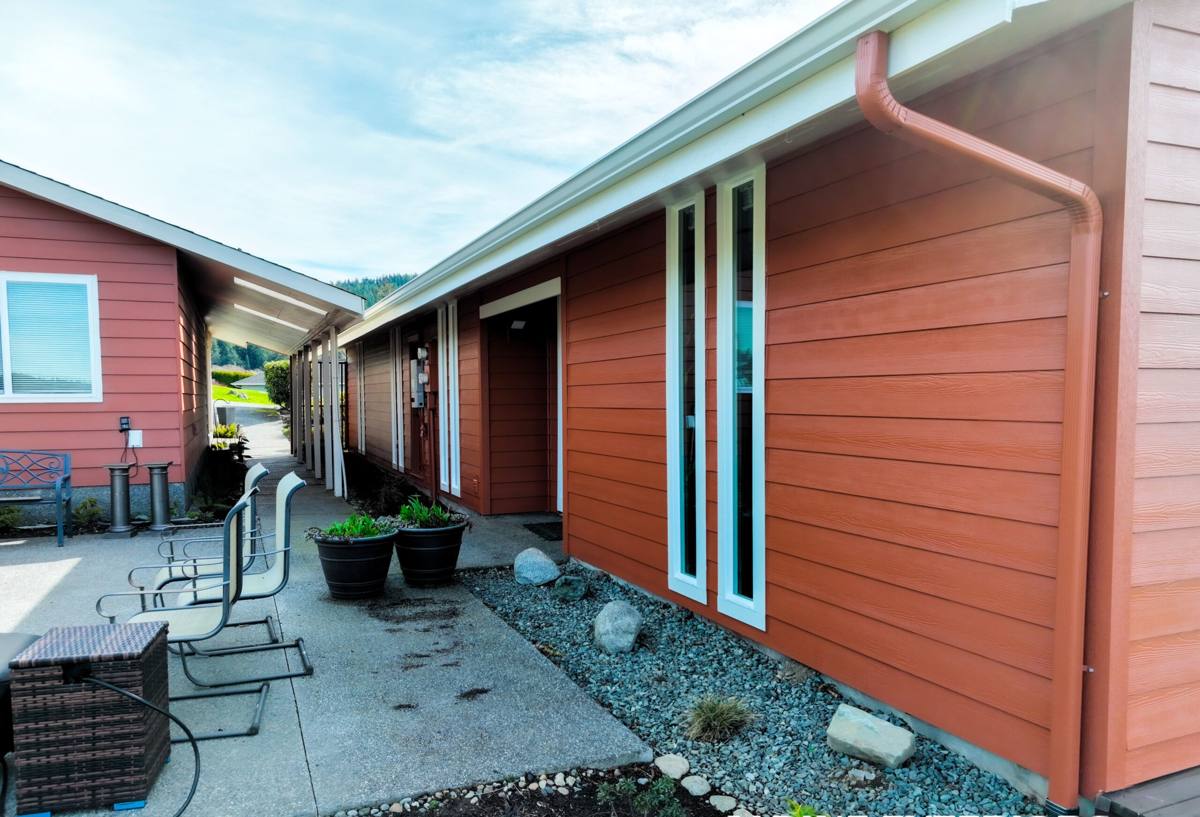
We've worked enough houses in and around Laurel to know the difference between siding that's engineered for this environment and siding that's just tolerating it. This page is about one thing specifically: what a correctly installed James Hardie fiber cement system looks like on a Laurel-area home, why that product and that installation standard matter here more than in milder climates, and what our process looks like from first look to final walk-through.
What Whatcom County's Climate Actually Does to Siding
Driving Rain and Wind Exposure
Open, rural properties around Laurel don't have the wind-breaking effect of tight neighborhoods or heavy tree cover on every side. When a storm comes through, siding on exposed walls takes rain at an angle, not straight down, which pushes water into seams, laps, and fastener points that a more sheltered wall would rarely see. Any siding material with loose seams or under-lapped joints is going to lose that fight eventually.
Moss and Persistent Dampness
Whatcom County's moss season isn't a minor cosmetic issue — it's a sign of how long a wall surface stays damp. Shaded sides of the house, areas near mature trees or hedgerows, and low ground that holds morning fog all give moss and algae the conditions they need to establish. Materials that absorb moisture or trap it against the substrate hold onto that dampness far longer than materials that shed water and dry out between systems.
Salt Air's Slow, Steady Wear
Even well inland from the water, prevailing air off the Salish Sea carries enough salt to accelerate wear on exposed fasteners, trim, and unprotected finishes. It's a slow effect, not a dramatic one — but over ten or fifteen years it separates siding systems that were built for a marine climate from siding systems that were built for somewhere drier and calmer.
Why Fiber Cement Fits This Environment
We install James Hardie fiber cement exclusively, and it's not a brand preference — it's a decision about what actually holds up under the conditions described above. Fiber cement is dimensionally stable across temperature and humidity swings, so it doesn't expand, contract, cup, or warp the way wood-based products can when they take on moisture. It's non-combustible, which matters on rural properties where burn piles, brush clearing, and distance from a fire hydrant are common realities. And James Hardie's HZ5 formulation is engineered specifically for colder, wetter climate zones like ours, rather than being a general-purpose product applied everywhere regardless of local weather.
The factory-applied ColorPlus finish is another piece that matters more here than in a milder climate. A field-painted finish is only as good as the weather conditions on the day it was applied and the maintenance schedule that follows it. A factory finish is baked on under controlled conditions and backed by its own finish warranty, which holds up better against the freeze-thaw cycles, driving rain, and long damp stretches that define a Whatcom County winter.
What a Correct Fiber Cement Installation Actually Involves
Fiber cement siding is only as good as the installation behind it. A rushed or careless install can turn a genuinely good product into a callback within a few years. Here's what we consider non-negotiable on every job, Laurel included:
Water Management Before the First Board Goes Up
A weather-resistant barrier and properly flashed openings go on before any siding, not as an afterthought. Windows, doors, and any wall penetration get flashed so water is directed out and down, never trapped behind the cladding. This step is invisible once the job is done, which is exactly why it's the step some crews shortcut — and exactly why we don't.
Correct Clearances
James Hardie specifies minimum clearances from grade, roof lines, decks, and patios for a reason: siding that sits too close to the ground or butts directly against a roof surface stays wet longer and starts absorbing splash-back and debris. On rural Laurel lots with more grading variation than a typical in-town yard, getting these clearances right takes more attention, not less.
Fastening and Joint Treatment
Boards need to be fastened per the manufacturer's pattern, with joints and seams treated the way Hardie specifies rather than just caulked and hoped for. Loose fastening or skipped joint treatment is one of the more common causes of early moisture intrusion we find when we're called out to look at another contractor's work.
Trim and Transition Details
Corners, window and door trim, and transitions to stone, brick, or other materials are where most siding failures actually start. These details take more time to do correctly than the flat wall sections, and they're the first thing we walk a homeowner through during a final inspection.
The James Hardie Lines We Install in This Area
Hardie makes several distinct product lines, and the right one depends on the home's architecture, exposure, and the look a homeowner wants. Here's how the main options compare for a typical Laurel-area property:
| Product Line | Look | Where It Fits Best |
|---|---|---|
| HardiePlank Lap Siding | Traditional horizontal lap, several profile widths | Farmhouses, ranch homes, most traditional Whatcom County architecture |
| HardiePanel Vertical Siding | Clean vertical panels, often paired with battens | Barns, outbuildings, modern or mixed-material exteriors |
| HardieShingle | Staggered or straight-edge shingle profile | Craftsman-style homes, accent gables, dormers |
| HardieTrim | Smooth or textured trim boards | Corners, window and door surrounds, fascia |
Every one of these comes in the HZ5 formulation appropriate for our climate zone, and every one is available with the factory ColorPlus finish so the color match is consistent from the flat wall sections through the trim.
Our Process for a Laurel-Area Job
- On-site assessment: we walk the exterior, check for existing moisture damage, and note the specific exposure each wall faces — sun, prevailing wind, and shade patterns all factor into material and detailing choices.
- Tear-off and sheathing inspection: once old siding comes off, we inspect the sheathing underneath for rot or damage before anything new goes up. This is often where we find out whether the old siding was actually doing its job.
- Weather barrier and flashing: a continuous, properly lapped weather-resistant barrier goes on, with every opening flashed before siding installation begins.
- Installation to manufacturer spec: fastening pattern, clearances, and joint treatment follow James Hardie's published installation guidelines, not shortcuts.
- Trim, caulking, and final detail work: corners, trim, and transitions get finished last, since they're the details most likely to show sloppy work.
- Walk-through: we go over the finished exterior with the homeowner and point out anything worth knowing for long-term upkeep.
Cost Factors for a Laurel Fiber Cement Project
Every property is different, and we'd rather walk your specific home than throw out a number that doesn't apply to it. That said, these are the factors that move the price up or down on most jobs in this area:
| Factor | How It Affects Cost |
|---|---|
| Home size and wall complexity | More square footage and more corners, gables, or dormers mean more labor and material waste |
| Existing siding removal | Tear-off of old siding, plus any sheathing repair found underneath, adds time before new material goes up |
| Siding profile and trim package | Wider lap reveals, shingle profiles, and extensive trim detail cost more than a basic lap job |
| Site access | Rural lots with long driveways, outbuildings, or limited staging space can add setup time |
| Color and finish selection | ColorPlus factory colors are priced by line and finish, with premium colors typically costing more than standard options |
Installation Mistakes That Cause Early Failures
Most of the fiber cement problems we're called to look at trace back to a handful of repeated mistakes. Before you hire anyone for a siding project in the Laurel area, it's worth knowing what to watch for:
- Face-nailing or fastening patterns that don't match manufacturer specifications, which can void the product warranty
- Skipping or under-lapping the weather-resistant barrier behind the siding
- Installing siding tighter to grade, roofs, or decks than the manufacturer's minimum clearances allow
- Caulking joints that should be left to drain, or leaving joints unsealed that need caulking
- Butting siding directly against dissimilar materials without proper flashing or a capillary break
- Using field touch-up paint that doesn't match the factory ColorPlus finish, creating visible seams over time
Why a Crew That Already Works This Area Matters
Siding installed correctly on paper can still perform poorly if the crew hasn't accounted for how a specific property actually sits — its wind exposure, its drainage, its shade patterns. A crew that's already worked properties around Laurel and greater Lynden has seen how open farmland exposure, low-lying dampness, and Whatcom County's moss season play out on real walls, not just in a manufacturer's install guide. That experience shows up in small decisions: where extra flashing attention is worth it, which wall orientation needs a closer look at fastening, and what maintenance a homeowner should actually expect versus what's marketing language.
It also matters for accountability. A local crew is easy to reach if a question comes up two years after installation, and it's a crew with a real reputation to protect in a community where word travels between neighbors.
What to Expect After Installation
One of the real advantages of a correctly installed Hardie system is how little it asks of a homeowner afterward. There's no repainting cycle to plan for — the ColorPlus finish is designed to hold its color for years under its own warranty terms. Routine care is mostly a matter of an occasional rinse to keep pollen, dust, and any moss growth from building up, and a yearly walk-around to make sure caulking at trim joints still looks intact. None of that compares to the recurring maintenance that wood-based or field-painted sidings demand in this climate.
If you're weighing a siding replacement for a home in Laurel or anywhere around Lynden, we're glad to take a look at your specific walls, talk through what your property's exposure actually calls for, and put together a straightforward, no-pressure estimate for a correctly installed James Hardie system.