 Lynden
 Maple Falls' Climate Puts Windows to the Test
Homes in and around Maple Falls sit in one of the wetter, shadier corners of Whatcom County. The tree cover holds moisture close to siding and trim long after a storm has passed, and the same marine air that carries salt inland off the Puget Sound region keeps everything from window sills to caulk lines damp for weeks at a stretch through fall and winter. Add in driving rain that comes sideways during winter storms and a moss season that can run six months or longer, and you have a climate that's genuinely hard on windows — not because any one storm is extreme, but because the moisture never really stops.
Windows built or installed for a drier climate don't hold up well here. Seals fail early, frames wick moisture, and condensation problems show up inside the house long before anyone notices a leak from outside. An energy-efficient window replacement in this area has to solve for both energy performance and moisture management — one without the other isn't a complete job.
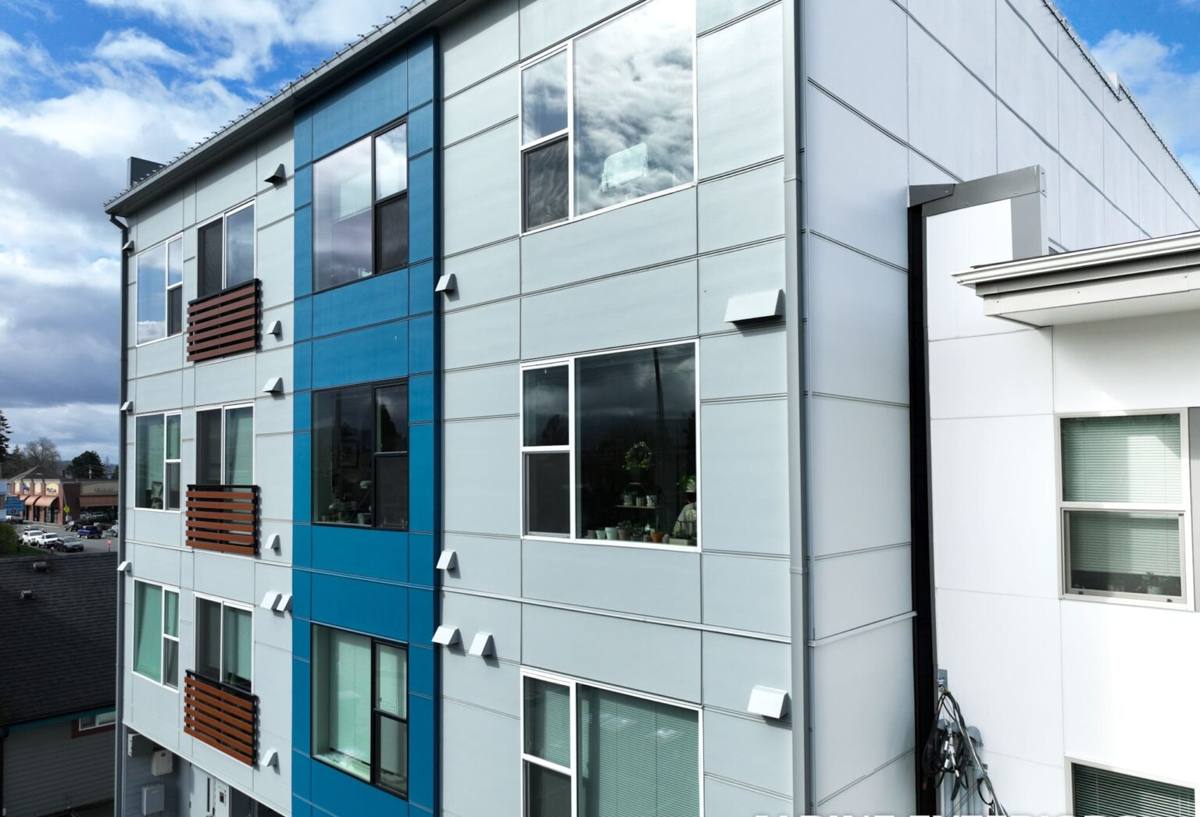
How Failing Windows Show Up in Maple Falls Homes
We see the same patterns over and over on homes in this area. Older aluminum-frame windows conduct cold straight through the frame, so homeowners get cold drafts and condensation on the glass and frame even when the window itself isn't leaking. Wood windows that haven't been maintained every year or two start to soften at the corners and sill, especially on north- and west-facing walls that stay shaded and wet the longest. And any window — regardless of material — that was installed without proper flashing will eventually let water track down behind the siding, which shows up as soft drywall, stained trim, or a musty smell near the window long before you'd ever see a stain on the glass itself.
None of this means every old window needs to be replaced immediately. But if you're feeling drafts, seeing condensation between the panes (a sign the seal has already failed), or noticing soft trim or peeling paint at a sill, those are worth addressing before they turn into a larger repair.
What "Energy-Efficient" Actually Means in This Climate
Energy-efficient windows are a combination of three things working together: the glass package, the frame material, and the installation. Get two out of three right and you still end up with a window that underperforms. Here's how the common options stack up for a climate like this one:
| Frame Material | Moisture Resistance | Maintenance | Typical Lifespan |
|---|---|---|---|
| Vinyl | Good — won't rot, minimal thermal bridging | Low — occasional cleaning | 20-30 years |
| Fiberglass | Very good — dimensionally stable in wet/dry cycles | Low | 30-40+ years |
| Wood (unclad) | Poor without diligent upkeep in a wet climate | High — needs regular painting/sealing | Varies widely with maintenance |
| Wood-clad (vinyl or aluminum exterior) | Good on the exterior face; interior wood still needs care | Moderate | 25-35 years |
| Aluminum (older, non-thermally-broken) | Doesn't rot, but conducts cold and causes condensation | Low | Long-lasting but poor performer |
For most homes in Maple Falls, vinyl and fiberglass frames make the most practical sense — they don't absorb moisture, they don't need annual upkeep, and modern versions perform well thermally. Wood and wood-clad windows can still be the right call for a particular architectural style, but we're upfront that they come with a real maintenance commitment in a climate this damp.
Glass Packages
Double-pane, low-E glass with argon gas fill is the baseline for a genuine energy upgrade today. Triple-pane glass adds another layer of insulation and can help with comfort near windows on the coldest days, but it also adds weight and cost — it's worth discussing case by case rather than assuming it's always the right upgrade. Whatever the pane count, the low-E coating matters most for cutting heat loss through the glass, which is typically the biggest energy loser in an older window.
Flashing and Water Management Matter More Here Than Elsewhere
In a drier climate, a window with mediocre flashing might go years without showing a problem. In a climate with this much sustained rain and moss growth, poor flashing detail gets exposed fast. This is the part of the job that doesn't show up in a product brochure but determines whether the window still performs in ten years.
Sill Pan and Drainage
Every window opening should have a sloped sill pan or flashing that directs any water that gets past the window itself back out to the exterior, not into the wall cavity. This is standard practice, but it's also the step most commonly skipped or done poorly on cheaper installations.
Weather-Resistive Barrier Integration
The window's flashing needs to be properly lapped into the house wrap or weather barrier — flashing tape and building paper have to be layered so water always sheds downward and outward, never behind the layer below it. Get this sequence backwards and you're building a path for water to enter the wall.
Sealants and Joints
Exterior sealant is the last line of defense, not the first. We use it to close small gaps, not to compensate for missing or incorrect flashing. Sealant alone, without proper flashing behind it, tends to fail within a few years in a climate that stays wet this much of the year.
Our Process for a Maple Falls Window Replacement
- Assessment. We look at each opening individually — sun exposure, current condition, signs of past water intrusion, and how the existing flashing was done. Not every window on a house needs the same solution.
- Measurement and product selection. We measure for an accurate fit and talk through frame material and glass package options based on that specific wall's exposure and your budget.
- Removal and inspection. Once the old window is out, we check the rough opening and sheathing for hidden rot or moisture damage before anything new goes in. This is often when we find problems that were invisible from outside.
- Flashing and installation. New sill pan flashing, correct integration with the weather barrier, and a level, square, properly shimmed and fastened window.
- Insulation and air sealing. The gap between the window frame and rough opening gets insulated and air-sealed correctly — overpacking with the wrong material can bow a frame and cause its own problems.
- Interior and exterior finish. Trim, casing, and sealant work finished cleanly on both sides.
Signs It's Time to Replace Your Windows
- Condensation or fogging trapped between the panes of glass (failed seal, not a cleaning issue)
- Noticeable drafts near the frame even with the window fully latched
- Soft, spongy, or discolored wood at the sill or bottom corners
- Difficulty opening, closing, or locking the window
- Visible daylight or gaps around the frame from outside
- A musty smell or peeling interior paint near a window, which can point to hidden moisture
- Rooms near certain windows that feel noticeably colder than the rest of the house
If a window is only showing one of these signs and is otherwise sound, a repair or resealing may be all that's needed. We'll tell you honestly when replacement isn't necessary yet.
What Affects the Cost of a Window Project Here
Costs vary by window size, frame material, glass package, and how much flashing or trim repair is needed once the old window comes out. As a broad range, standard vinyl replacement windows installed run roughly $600 to $1,200 per window, with fiberglass and larger or specialty shapes running higher. Homes with hidden water damage behind older windows will have an added cost to repair that framing correctly before the new window goes in — something we always flag before starting, not after.
The cheapest quote is rarely the best value here. A window installed without proper flashing can look identical to a correctly installed one on the day it goes in, and the difference only shows up years later as a leak or rot repair that costs far more than the window itself.
Why a Crew That Already Works in Maple Falls Matters
Window installation isn't one-size-fits-all across Whatcom County. A crew that regularly works homes in Maple Falls already knows how much the tree cover and rainfall shape the right approach — which walls take the worst weather, how long moss and moisture linger on shaded sills, and why flashing detail can't be an afterthought here the way it might be in a drier area. That familiarity shows up in fewer surprises during the job and windows that are specified correctly the first time, rather than a generic package sold the same way everywhere.
Keeping Your New Windows Performing Through the Wet Season
Even a well-installed, low-maintenance window benefits from a little seasonal attention in this climate. Clear debris and moss from sills and tracks before it holds moisture against the frame, check exterior sealant lines once a year for cracking, and make sure gutters and downspouts near window openings are directing water away from the wall rather than splashing back onto it. Vinyl and fiberglass frames need very little beyond this, but a few minutes of upkeep each fall goes a long way toward getting the full lifespan out of the investment.
If you're dealing with drafty, foggy, or aging windows on a Maple Falls home, we're happy to take a look and give you an honest read on what's actually needed — repair, partial replacement, or a full window upgrade. Reach out for a free, no-pressure estimate using the form below.