 Lynden
 Custer's Climate Is Hard on Siding
Custer sits in the part of Whatcom County where Puget Sound weather meets open farmland — salt-tinged air drifting off nearby saltwater, wind-driven rain that doesn't just fall straight down but gets pushed sideways into wall assemblies, and a moss season that can run most of the year in the shaded, damp corners of a property. Siding here isn't just a cosmetic layer. It's the first and, in a lot of cases, the only line of defense between that weather and the wood framing underneath. When siding fails in this climate, it rarely fails loudly. It fails quietly, behind the surface, while the outside still looks passable from the road.
That's the core problem with siding replacement decisions in Custer: by the time damage is obvious, moisture has usually been working on the wall assembly for a while. Replacing siding correctly here means understanding that climate reality, not just swapping old boards for new ones.
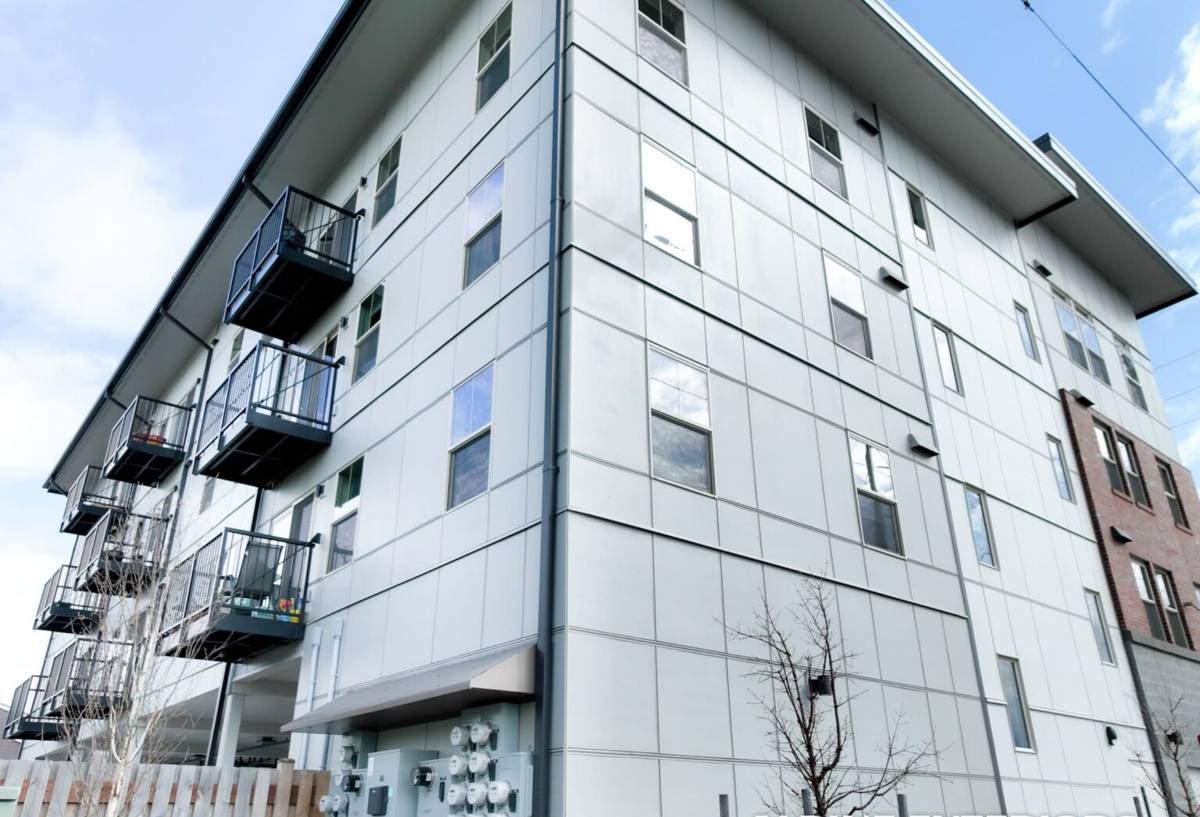
Signs a Custer Home Is Ready for Siding Replacement
Some of these signs are visible from the driveway. Others take a closer look, which is part of why a proper inspection matters more here than in drier climates.
- Soft or spongy spots when you press on siding, especially near the bottom courses and around window and door trim
- Persistent moss or algae staining that comes back within weeks of cleaning, particularly on north- and west-facing walls
- Paint that's peeling, bubbling, or chalking faster than it should, especially on older wood or engineered wood siding
- Visible cupping, warping, or gaps between boards that weren't there a few years ago
- Rising heating bills that don't match any other change in the home, which can point to air and moisture infiltration through failing siding
- Rust streaks around fasteners, or nail heads that have started to back out of the siding face
Any one of these on its own might not mean a full replacement is due. Several together, or damage that shows up on more than one wall, usually does.
What a Correct Siding Replacement Actually Involves
A siding replacement is only as good as what happens underneath it. Pulling old siding off and nailing new material back on the same wall is how problems get sealed in rather than solved. A correct job includes several steps that don't show up in a driveway photo but determine how the wall performs for the next several decades.
Tear-off and inspection
Removing the old siding is also the only real chance to see the sheathing and framing underneath. In a climate with this much sustained moisture exposure, it's common to find some degree of hidden rot or staining, especially around old window flashing, at wall penetrations, and near ground contact. That damage needs to be addressed before anything new goes on the wall.
Weather-resistive barrier and flashing
The house wrap or weather-resistive barrier behind the siding is what actually stops bulk water from reaching the framing — the siding itself sheds most of it, but flashing details at windows, doors, and any place two building materials meet are where wind-driven rain finds its way in if they're done wrong. This is the part of the job that separates a durable installation from one that looks fine for a few years and then doesn't.
Fastening and clearances
Fiber cement siding has specific fastening patterns, nail types, and clearance requirements — gaps at the bottom of the wall, above roof lines, and around trim — that are set by the manufacturer for good reason. Skipping these to save time is one of the most common causes of premature failure, and it's invisible until moisture starts finding its way in through a joint that should have had a gap and didn't.
Why We Only Install James Hardie Fiber Cement
We don't install vinyl siding, LP SmartSide, Cemplank, Allura, primed spruce, or cedar. That's a deliberate standard, not a lack of options. Vinyl can crack and fade under UV and temperature swings and doesn't hold up well to physical impact. Engineered wood products depend heavily on maintained paint and caulk lines to keep moisture out of their wood-fiber core, which is a demanding ask in a climate that stays damp for months at a time. Cedar and primed spruce are attractive but require an ongoing maintenance commitment — refinishing, sealing, moisture monitoring — that most homeowners don't sign up for once the newness wears off.
James Hardie fiber cement is non-combustible, dimensionally stable in wet-dry cycling, and comes with a factory-applied ColorPlus finish that's baked on rather than field-painted, which matters a great deal in salt air and long moss seasons where surface finishes take a beating. Hardie's HZ5 product lines are engineered for exactly this kind of climate exposure. The company backs it with a strong, transferable warranty — but that warranty depends on correct installation, which is the other half of why we standardized on this one product and install it to spec every time.
Our Siding Replacement Process for Custer Homes
- On-site inspection. We look at the current siding, trim, flashing, and any visible or suspected moisture damage before quoting anything.
- Tear-off and sheathing assessment. Old siding comes off, sheathing gets inspected, and any rot or damage gets repaired or replaced before moving forward.
- Weather barrier and flashing installation. New house wrap and flashing go in at every window, door, and penetration, following manufacturer detailing rather than shortcuts.
- Hardie installation to manufacturer spec. Correct fastener type and spacing, proper clearances, and factory-finished panels or lap siding installed per Hardie's published installation guidelines.
- Trim, caulking, and touch-up. Joints get sealed where they should be sealed and left open where they need to breathe — both matter.
- Final walkthrough. We go over the finished work with the homeowner before calling the job done.
Cost Factors for Siding Replacement in Custer
Every home is different, but a few factors consistently move the scope and cost of a siding replacement project up or down. Understanding them ahead of time makes it easier to evaluate any quote you receive.
| Cost Factor | Why It Matters | Effect on Scope |
|---|---|---|
| Home size and wall complexity | More square footage and more corners, gables, and trim lines mean more labor and material | Increases |
| Hidden moisture or rot damage | Found during tear-off; framing and sheathing repair adds time before new siding can go on | Increases, hard to know until tear-off |
| Existing siding type | Some materials come off cleaner and faster than others | Variable |
| Trim and detail work | Custom trim, window surrounds, and architectural detailing take more time than plain wall runs | Increases |
| Access and site conditions | Steep grades, tight setbacks, or difficult staging areas slow the work | Increases |
| Color and finish selection | Factory ColorPlus finishes vs. field-applied paint after install | Minor variation |
Because hidden damage is so common in this climate, we treat the number from an initial visual inspection as an estimate, not a fixed price — and we tell homeowners that up front rather than after the tear-off starts.
Living With Hardie Siding in Custer's Climate
One of the advantages of a correctly installed fiber cement system is how little ongoing maintenance it demands compared to wood or engineered wood alternatives. That said, "low maintenance" isn't "no maintenance," especially in a moss-prone, salt-air environment.
- Rinse siding down periodically to keep salt residue and organic buildup from accumulating, especially on shaded walls
- Keep gutters clear so overflow doesn't run down the wall face and feed moss growth
- Trim back vegetation and tree cover that keeps a wall shaded and damp longer than the rest of the house
- Check caulk lines at trim and penetrations periodically — caulk is a maintenance item even on a low-maintenance siding system
Why Hiring a Crew That Already Works in Custer Matters
Flashing details, fastening clearances, and weather barrier choices aren't one-size-fits-all across the country — they need to match the actual weather the wall will face. A crew that regularly works in Custer and the surrounding Whatcom County area already understands how wind-driven rain behaves against these walls, how long moss season really runs here, and where salt air exposure tends to hit hardest on a given lot. That local pattern recognition shows up in the small decisions made on-site — where to add extra flashing, which details to double-check — that a crew unfamiliar with the area might not think to make.
It also means familiarity with the practical side of working in Whatcom County: permitting expectations, typical lot conditions, and the kind of weather windows that make scheduling a tear-off-and-replace project realistic rather than a gamble.
Questions Worth Asking Before You Hire
- Is the crew a certified James Hardie installer, and will they install strictly to manufacturer specifications?
- What happens if rot or moisture damage is found during tear-off — is that priced separately or built into the estimate process?
- What weather-resistive barrier and flashing details will be used at windows, doors, and penetrations?
- Is the manufacturer's product warranty transferable, and what does it actually cover?
- Does the written quote specify fastener type, siding line, and finish — or just a lump-sum number?
If you're weighing a siding replacement for a Custer home, we're happy to take a look and walk you through what we find — no pressure, no obligation. A free estimate gives you a clear, honest picture of your home's condition and what correcting it would actually involve, using the form below.