 Lynden
 Storm Damage Roof Repair for Bellingham Homes
Bellingham sits close enough to the water that wind off Bellingham Bay and the Salish Sea shapes how storms hit local roofs. Add in Whatcom County's long wet season and the moss that comes with it, and you get a climate that's harder on a roof than most homeowners realize until something actually goes wrong. Storm damage here isn't always the dramatic kind — a shingle blown off in a windstorm, a branch through the decking. Just as often it's quieter: wind-driven rain working its way under a lifted shingle edge, or a section of roof that's been slowly compromised by months of standing moisture and finally gives out during the next hard blow.
This page is about one thing specifically: storm damage roof repair for homes in and around Bellingham. Not a full re-roof, not general maintenance — the specific work of figuring out what a storm actually did to your roof, and fixing it correctly the first time.
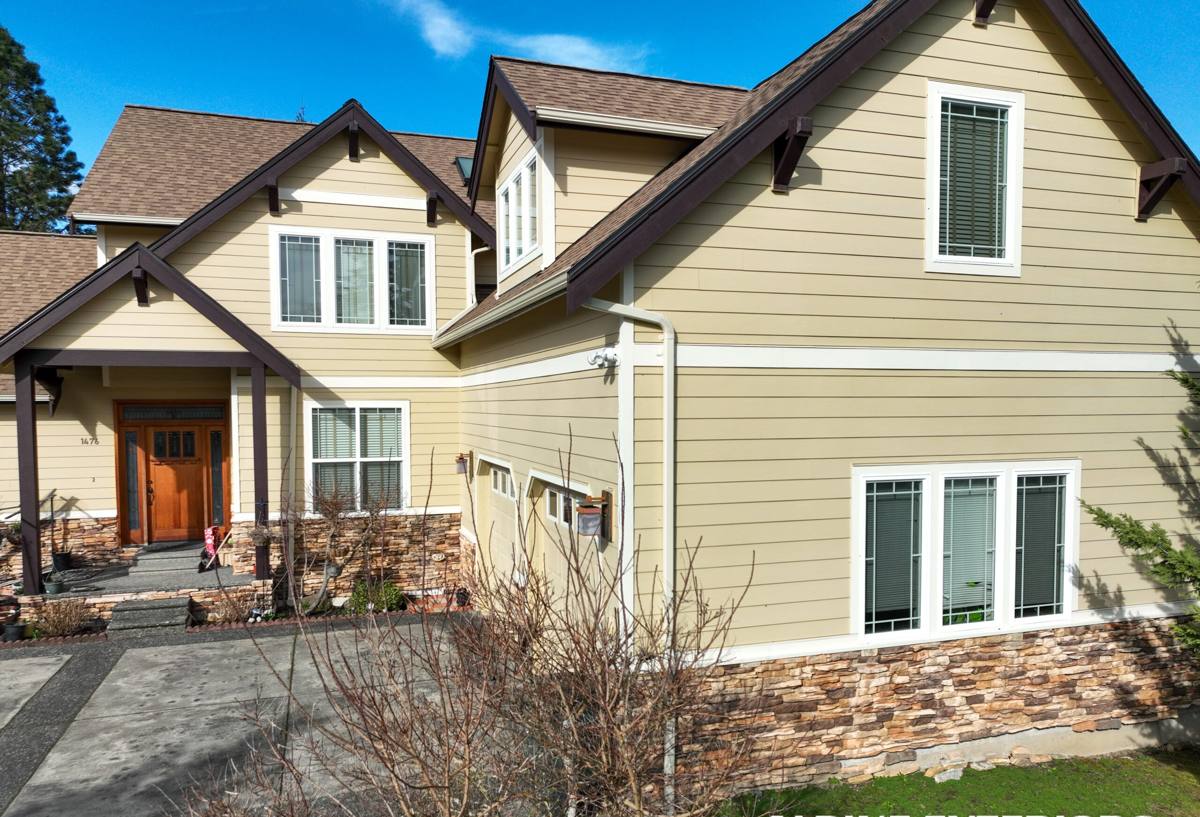
What Actually Counts as Storm Damage
Not every roof problem that shows up after a storm was caused by that storm. Part of doing this job honestly is telling the difference, because it affects both the right repair and any insurance conversation.
Wind and Wind-Driven Rain
Sustained wind can lift shingle tabs, break the seal strips that hold them flat, and in worse cases tear shingles off entirely. Even short of that, wind-driven rain can be pushed sideways under laps and around ridge caps that would shed water fine in a normal rain. That's a common source of a "mystery leak" that only shows up during a storm and seems to vanish afterward.
Falling Limbs and Debris
With as many mature conifers as you'll find around Whatcom County properties, falling limbs are a regular cause of storm-related roof damage — anything from a few broken shingles to punctured decking, depending on the size of what came down.
Long-Term Moisture From Repeated Storms
A single storm rarely destroys a roof outright. More often, one storm creates a small opening — a lifted shingle, a gapped flashing seam — and then several more storms over the following weeks push water through that opening before anyone notices a stain on the ceiling. By the time it's visible inside, the decking underneath has often been wet for a while.
Why Bellingham's Climate Is Especially Hard on Roofs
We'd repair storm damage the same way anywhere, but the climate here changes what tends to fail and how fast.
Salt Air Off the Bay
Homes closer to Bellingham Bay deal with a steady low level of salt in the air. Over years, that accelerates corrosion on exposed metal — flashing, drip edge, exposed fasteners, and the metal components around vents and chimneys. Corroded flashing is exactly the kind of thing that looks fine until a storm pushes water through a seam that's quietly been degrading for years.
Driving Rain and Wind Direction
Pacific storm systems tend to arrive with rain driven at an angle rather than falling straight down. Roofing details that work perfectly well in light, vertical rain — a slightly under-lapped ridge cap, a flashing edge with a small gap — can leak specifically in wind-driven conditions. This is one reason a repair that looks solid on a calm day can still fail in the next real storm if it wasn't done with that wind direction in mind.
A Long Moss Season
Shaded, north-facing, and heavily treed roofs around Whatcom County can stay damp enough for moss and lichen to grow for most of the year. Moss holds water against the roofing surface long after a storm has passed, works its way under shingle edges as it grows, and roots into asphalt granules. A roof with active moss growth is more vulnerable to storm damage in the first place, because the moss has already been prying at the shingles and holding moisture against weak points.
What a Correct Storm Damage Repair Actually Involves
A rushed storm repair usually looks like a bead of caulk over a gap or a replacement shingle nailed over a spot that was never actually inspected underneath. That kind of patch might hold through one dry summer, but it typically fails again in the next wet season because it never addressed what actually let the water in.
Done correctly, a storm damage repair includes:
- Checking the roof decking itself for soft spots, delamination, or rot — not just the shingles on top of it
- Inspecting the underlayment in the affected area, since a torn or displaced underlayment defeats the point of new shingles above it
- Examining flashing around any penetration near the damage — chimneys, vents, skylights — since flashing failure is a common hidden cause of storm leaks
- Matching replacement shingles as closely as possible in profile and color, so the repair doesn't just function correctly but also doesn't stand out as an obvious patch
- Fastening the repair correctly for wind exposure, not just tacking a shingle down with the minimum number of nails
How We Handle a Storm Damage Call
Our process is built around one priority: get the roof weather-tight fast, then fix it right.
- Initial assessment. We look at the damage, take photos, and get a clear read on how urgent it is.
- Temporary protection if needed. If there's an active leak or exposed decking, we get it covered and weather-tight before anything else — that comes before scheduling the permanent repair.
- Full inspection. We check decking, underlayment, flashing, and ventilation in the area around the damage, not just the spot that's obviously broken.
- A plain-language scope. We explain what we found, what needs to be fixed, and give an honest cost range — including telling you when something doesn't need to be replaced.
- The repair. Matched materials, proper fastening for local wind exposure, and flashing details sealed the way they should have been the first time.
- A final check. Before we call it done, we look for any secondary issues — staining, soft spots nearby, or ventilation problems — that could cause a repeat visit.
What Affects the Cost of a Storm Repair
Storm repair costs vary more than people expect, mostly because "storm damage" covers a wide range of actual conditions. The honest range for a straightforward, localized repair is often a few hundred dollars; it climbs from there once decking replacement, steep access, or larger affected areas come into play.
| Factor | Why It Matters | Typical Impact |
|---|---|---|
| Extent of damage | A single lifted shingle is a different job than damage spread across a whole roof plane | Small: lower cost / Widespread: significantly higher |
| Roofing material | Asphalt shingle, metal, and cedar repairs each require different materials and techniques | Metal and cedar repairs generally cost more than asphalt |
| Hidden water damage | If decking or framing got wet before the leak was found, that has to be replaced, not just covered | Can substantially raise cost once decking is involved |
| Roof pitch and access | Steep or high roofs take longer and require more safety equipment | Moderate increase for difficult access |
| Age and availability of matching material | Older shingles can be harder to color-match exactly | Usually a minor factor, but affects appearance |
Working With Insurance on a Storm Claim
Many storm repairs go through homeowners insurance, and we try to make that part as straightforward as possible. That means documenting what the storm actually caused, separately from any pre-existing wear like moss damage or age-related granule loss — mixing the two doesn't help your claim and isn't accurate anyway. We provide clear photos and a written scope that you or an adjuster can use to evaluate the damage. We won't tell you a claim will be approved or push you toward a bigger scope than the storm actually justifies just because insurance is involved — our job is to describe the roof accurately and repair what's actually damaged.
Why a Local Whatcom County Crew Matters Here
After a significant windstorm, it's common to see roofing crews from outside the area show up temporarily to chase storm work, then move on once the immediate rush is over. That can leave homeowners without anyone to call if a repair doesn't hold or a related issue shows up months later.
Working roofs in and around Bellingham and the rest of Whatcom County day in and day out means knowing how the salt air, wind direction, and moss season here actually affect roofing details — not just installing to a generic spec. It also means we're still around after the repair, which matters more with storm work than almost any other kind of roofing job, since the real test of a storm repair is how it holds up in the next storm.
A Simple Checklist to Reduce Storm Damage Between Now and the Next One
- Clear moss and debris from roof planes and valleys before the wet season sets in
- Clean gutters and downspouts going into fall so water has somewhere to go during heavy rain
- Trim back tree limbs that overhang the roof, especially ones that could reach it in high wind
- Have flashing around chimneys, vents, and skylights checked periodically — small gaps here are a common storm-leak starting point
- After any significant windstorm, do a visual check from the ground for lifted or missing shingles
- Address small leaks as soon as they're noticed, rather than waiting until the next storm makes them worse
If a recent storm has you wondering whether your roof took damage, or you've got a slow leak you can't place, we're glad to come take an honest look. The estimate is free, there's no pressure attached to it, and you'll get a straight answer about what's actually going on — just fill out the form below to get started.