 Lynden
 Composite Decking for Acme's Whatcom County Climate
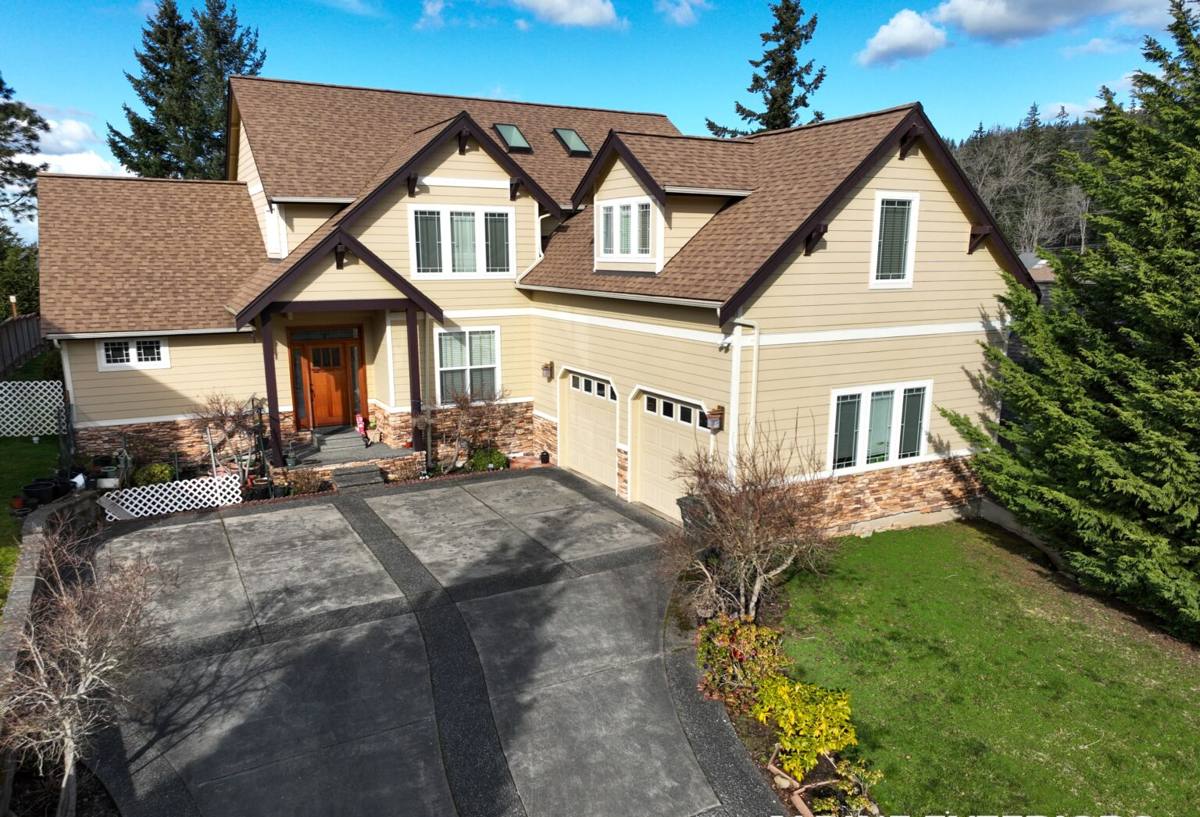
Acme sits in the quieter, more heavily wooded country of Whatcom County, tucked into the South Fork Nooksack valley away from the open farmland that stretches out further north near Lynden. That setting is part of what draws people to build here, but it also means an outdoor deck in Acme deals with a different mix of pressures than a deck on a flat, sun-exposed lot closer to town — more tree cover, more standing shade, and a dampness that lingers longer between storms.
Composite decking has become the default choice for a lot of Whatcom County homeowners for good reason, but "composite" covers a wide range of products, and not all of them are built the same way. This page focuses on what an Acme property specifically needs from composite decking, what a correct installation actually involves, and how our process works when we build a composite deck in this part of the county.
What Acme's Setting Does to a Deck
Driving Rain and a Long Wet Season
Whatcom County sees sustained rain through fall, winter, and much of spring, and Acme's valley setting doesn't get much relief from it — if anything, the surrounding hills and tree cover slow down how quickly a deck surface dries out after a storm. Water that would evaporate off an open, sun-exposed deck in an afternoon can sit on a shaded board for a day or more, and that extra dwell time is exactly what wears down a decking material that isn't built to handle sustained moisture.
Moss and Algae Under Tree Cover
A deck surrounded by trees gets less direct sun and more falling debris — needles, leaves, pollen — than one on an open lot, and that combination is close to ideal growing conditions for moss and algae. Whatcom County already runs a long moss season compared to drier parts of the state; a shaded, tree-lined property in Acme tends to see it start earlier in the fall and hang on later into spring than a deck out in the open would. Any decking surface with even mild porosity gives moss something to grip, and once it takes hold on a horizontal surface, it's slippery as well as unsightly.
Marine-Influenced Air, Even This Far Inland
Acme sits well back from the immediate coastline, and it's easy to assume that means salt exposure isn't a factor here. It's a smaller factor than it is right on Bellingham Bay or up near Blaine, but marine air still moves across this part of the county on weather systems, and over years it contributes to corrosion on exposed fasteners and metal hardware just as it does further out. It's one more reason the hardware under a deck matters as much as the boards on top.
Why Composite Decking Fits This Climate
Wood decking — cedar or pressure-treated lumber — is still a fine-looking option, but it needs regular sealing or staining to keep moisture out, and in a shaded, damp setting like a lot of Acme properties, that maintenance schedule gets demanding fast. Skip a season of sealing here and the boards typically show it: graying, soft spots, and moss taking hold in the grain. Composite decking, particularly capped composite, resists moisture absorption and surface staining far better without that upkeep, which is a big part of why it's become the standard recommendation for shaded, moisture-heavy lots.
Cellular PVC decking is worth a mention too, since some homeowners ask about it directly. It contains no wood fiber at all, so it has effectively no moisture absorption even at cut edges, and it holds up extremely well in constant shade and dampness. It costs more than most composite lines and can flex more under concentrated point loads, so it's a fit for specific situations rather than a universal upgrade — we'll walk through whether it makes sense for your lot rather than defaulting to it.
| Material | Moisture Handling | Moss & Algae Resistance | Upkeep |
|---|---|---|---|
| Cellular PVC | Excellent — no wood fiber, minimal absorption at cuts | Strong, smooth non-porous surface | Occasional washing |
| Capped composite | Strong — cap layer blocks most moisture absorption | Good on most product lines | Occasional washing |
| Uncapped composite | Moderate — exposed fiber can absorb moisture over time | Fair; more prone to buildup in shade | Periodic cleaning |
| Cedar | Moderate — needs sealing to hold up | Fair when sealed and maintained | Regular oiling or sealing |
| Pressure-treated wood | Weak without consistent maintenance | Poor without regular treatment | Regular sealing or staining |
What a Correct Composite Deck Installation Involves
Composite boards get most of the attention because they're what you see and stand on, but on a shaded, damp property like a typical Acme lot, the framing and drainage details underneath do more to determine how long the deck actually lasts. A build done right here includes:
- Pressure-treated framing lumber rated for the application and sized correctly for the span and expected load
- Corrosion-resistant fasteners and hardware throughout, since exposed metal in a damp, marine-influenced climate corrodes faster than most homeowners expect
- Joist spacing matched to the specific composite product's span rating, not a generic framing layout applied across every brand
- Correct board gapping so water can actually drain and the surface can dry between the county's frequent rain events
- Hidden fastener systems on the walking surface where the product supports it, cutting down on exposed screw heads that trap moisture and debris
- Grading and airflow underneath the deck so water doesn't pool against the framing in a lot with limited direct sun to dry it out
- Proper ledger flashing at the house connection, one of the most common places moisture gets into a deck structure that wasn't built carefully
Skip any of that and the deck will usually still look fine when it's finished. The gaps show up a couple of wet seasons later — a soft joist, a stained board around a corroding fastener, or standing water underneath that never quite dries out.
Choosing the Right Composite Line for an Acme Property
Not every composite product is built the same, and the right choice depends partly on how much shade and debris your specific lot deals with. Grooved-edge boards paired with hidden fastener clips give a cleaner surface with less exposed hardware, which matters more on a shaded deck where debris and moisture collect around fasteners. Darker board colors show less staining from tannins and organic debris common under tree cover, but they also run warmer in direct sun on the parts of a lot that do get afternoon light — worth weighing if your deck gets a mix of sun and shade through the day rather than one or the other. Cap quality varies between manufacturers and product tiers too; a fully capped board on all four sides holds up differently at a cut end than one capped only on the top and sides, which is a detail worth asking about rather than assuming every "composite" product handles it the same way.
How Our Process Works
We start with a site visit to see the actual conditions your deck will face — how much direct sun the area gets through the day, where water tends to collect or drain, tree cover and the debris that comes with it, and the condition of any existing structure if this is a replacement. From there we go over composite lines that fit your budget and how you plan to use the space, along with straight talk about which upgrades — hidden fasteners, a higher cap grade, PVC in place of composite — are worth it for your specific lot and which are optional.
Permitting in Whatcom County generally follows standard setback, structural, and elevation requirements, and we handle that as part of the job. Once permitted, framing goes in first, sized and fastened for the site's actual moisture exposure, followed by the decking surface, railing, and any stairs. We finish with a walkthrough covering what your specific product needs going forward — for most composite lines that's minimal, but it isn't nothing.
What Your Composite Deck Still Needs From You
Composite decking is genuinely low-maintenance compared to wood, but "low-maintenance" isn't "no-maintenance," especially on a shaded lot. A short list worth keeping up with:
- Sweep or rinse off leaves, needles, and pollen regularly so organic debris doesn't sit and feed moss growth on the surface
- Wash the deck a couple of times a year to clear residue before it builds up in the board texture
- Keep gaps between boards clear so water and airflow can move the way the design intends
- Trim back branches or brush that keep the deck in constant shade or block airflow across the surface
- Check railing hardware and fasteners once a year for early corrosion or loosening, especially before the wet season sets in
- Address any standing water or soft framing underneath right away — that's a structural issue, not a cosmetic one
Why It Matters That We Already Work Acme
A crew that mostly builds decks on open, sun-exposed lots closer to town can still do competent work, but a shaded, valley-set property in Acme has variables that don't come up as often elsewhere in Whatcom County — extended dry-out time after rain, heavier debris and moss pressure under tree cover, and framing choices that account for a lot getting less direct sun overall. Working this area regularly means we've seen which composite lines actually hold up under those conditions and which framing and fastener details are worth the extra time rather than an upsell.
That familiarity also shows up in the smaller calls — how to orient a deck to catch what sun a wooded lot does get, or being straightforward about how much shade your specific site means for long-term moss upkeep, regardless of which decking product you choose.
Get a Straight Answer About Your Deck
Whether you're replacing an aging deck, building new, or just want an honest read on what composite decking would take on your Acme property, we're glad to walk the site with you and lay out the options plainly. Reach out below for a free, no-pressure estimate.