 Lynden
 Why Windows Take a Beating in This Part of the Fraser Valley
Homes around Abbotsford sit in a climate that is hard on building materials in ways that aren't always obvious until you're paying the heating bill or scraping mildew off a sill. Salt-laden air drifting in off the coast, long stretches of driving rain, and a moss season that can run from fall through spring all put steady pressure on window seals, frames, and glazing. Windows are one of the first places that pressure shows up — as fogging between panes, cold drafts near the frame, or trim that stays damp longer than it should.
Energy-efficient windows aren't just about a lower utility bill, although that matters. In this region they're also about keeping moisture out of the wall cavity, keeping frames from swelling or rotting, and keeping a home comfortable without the furnace or heat pump running constantly. A window that's rated well but installed poorly will still leak, still fog, and still cost you money — so the product and the installation have to be judged together.
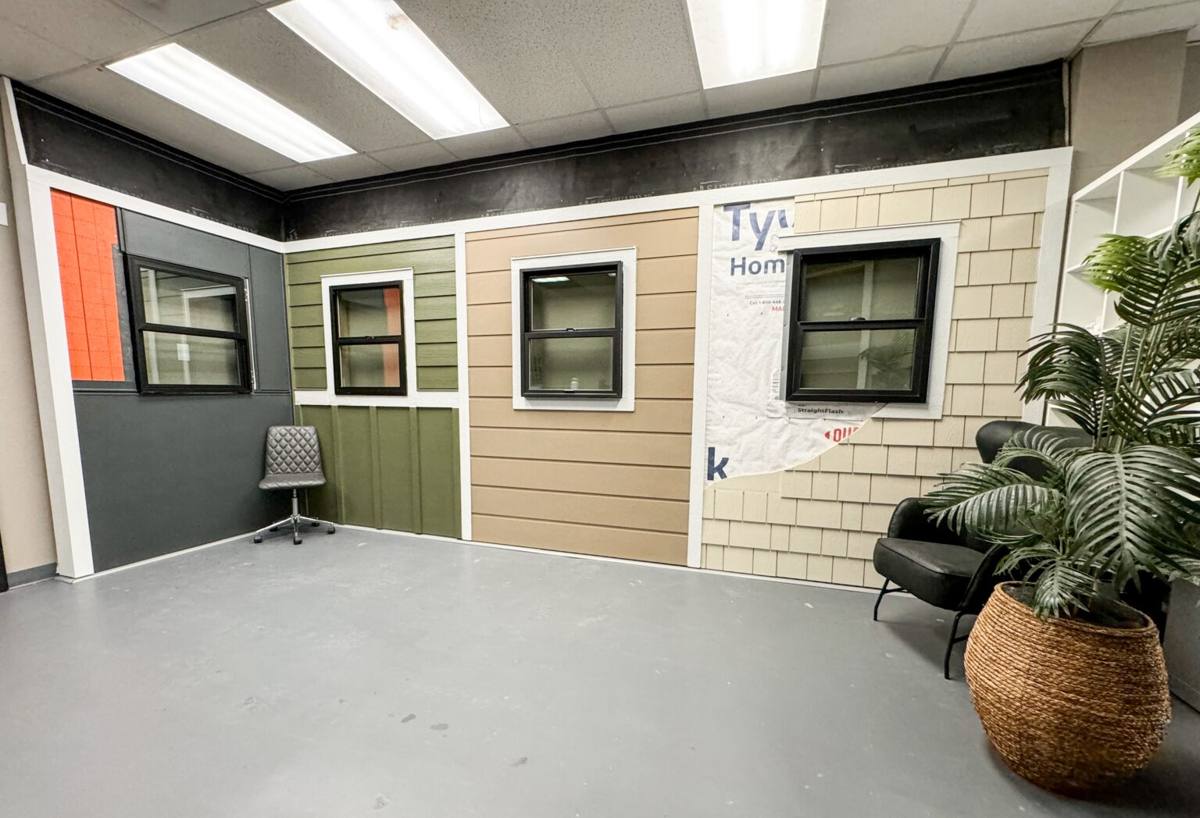
Signs Your Current Windows Are Working Against You
Most homeowners don't think about their windows until something forces the issue. Here's what we typically hear about before a homeowner calls:
- Visible condensation or fogging between the panes of an insulated glass unit — a sign the seal has failed
- A noticeable draft near the frame edges, especially during wind-driven rain
- Soft or discolored wood trim around the window, inside or out
- Moss or green staining building up on the sill or exterior casing
- Windows that are difficult to open, close, or lock — often a sign the frame has shifted or swollen
- One room that's noticeably colder or draftier than the rest of the house
- Rising heating costs without any other explanation
Any one of these can be a minor annoyance. Several at once usually means the windows are past the point where caulk and weatherstripping will fix the problem.
What "Energy-Efficient" Actually Means
Glass and Gas Fill
Modern energy-efficient windows use two or three panes of glass with a low-emissivity (Low-E) coating that reflects heat back into the home in winter and blocks solar heat gain in summer. The space between panes is usually filled with argon or krypton gas, which insulates better than plain air. In a climate with as much temperature swing and driving rain as this one sees, that combination does real work — it's not a marketing add-on.
Frame Material
The frame matters as much as the glass. A well-insulated glass unit set in a poor frame still lets heat and moisture through at the edges. Frame choice also affects how the window holds up against years of damp weather and, closer to the coast, salt-bearing air.
Spacers and Seals
The spacer that separates the panes of glass — and the seals around it — is where most window failures start. Cheaper spacers conduct more heat and cold, and lower-quality seals are the first thing to fail when a window is exposed to years of rain and temperature cycling. This is the part of a window you can't easily judge by looking at it, which is why the manufacturer and installer both matter.
Ratings to Ask About
- U-factor — measures how well the window prevents heat from escaping; lower is better
- Solar Heat Gain Coefficient (SHGC) — measures how much solar heat passes through; matters for rooms with a lot of sun exposure
- Air leakage rating — measures how much air passes through the window assembly; lower is better in a climate this wet and windy
Comparing Frame Options for This Climate
There's no single "best" window material for every home — it depends on budget, the home's style, and how much maintenance the homeowner wants to take on. Here's how the common options stack up for a wet, salt-exposed, moss-prone climate:
| Frame Material | Moisture Behavior | Maintenance | General Cost Range |
|---|---|---|---|
| Vinyl | Won't rot; handles damp climates well | Low — occasional cleaning | Lower |
| Fiberglass | Very stable; resists expansion and contraction | Low | Mid to higher |
| Wood-clad | Good if cladding stays intact; interior wood needs protection from condensation | Higher — periodic finish upkeep | Higher |
| Aluminum | Prone to condensation without a thermal break; can be sensitive to salt air over time | Moderate | Varies widely |
We're upfront with homeowners about these trade-offs. Aluminum without a proper thermal break, for example, tends to sweat and lose efficiency in this climate — not because the metal itself is bad, but because it conducts cold straight through unless the design accounts for it. That's the kind of detail we flag before installation, not after.
What a Correct Installation Actually Involves
The window itself is only part of the job. In a region that sees this much driving rain, how the window is sealed into the wall matters just as much as what the window is made of. A correct installation includes:
- Removing the old window and inspecting the framing underneath for hidden rot or moisture damage before anything new goes in
- Repairing or replacing any compromised sheathing or framing — installing a new window into damaged framing just hides the problem
- Installing proper flashing at the head, jambs, and sill so water is directed out and away from the wall assembly, not toward it
- Applying weather-resistant barrier and sealant in the correct order so water can't get trapped behind the window
- Shimming and leveling the window so it operates smoothly and seals evenly on all sides
- Insulating the gap between the window frame and rough opening without over-packing it
- Finishing the interior and exterior trim to shed water and match the home
Skipping the flashing step, or getting the sequence wrong, is one of the most common causes of the moisture damage we find when we remove an older window. It's invisible until the wall behind it starts to fail.
Our Process for Abbotsford Homeowners
We keep the process straightforward and try not to waste anyone's time:
- Assessment: We look at your current windows, note any signs of moisture or frame damage, and talk through what you're trying to solve — comfort, drafts, condensation, or just aging windows.
- Recommendation: We suggest frame and glass options that fit your budget and the realities of this climate, and explain the trade-offs honestly rather than pushing the most expensive option.
- Measurement and ordering: Every window opening is measured precisely — older homes are rarely perfectly square, and a window that's slightly off won't seal correctly no matter how good it is.
- Installation: We remove, inspect, flash, and install each window with the same attention to the surrounding wall assembly, not just the window unit itself.
- Cleanup and walkthrough: We clean up the work area and walk through the finished windows with you before we consider the job done.
Why Local Experience Matters Here
Abbotsford and the surrounding Fraser Valley share a lot in common with the Whatcom County side of the border — similar housing ages, similar wet-coastal weather patterns, and the same long moss season that keeps roofs, siding, and window sills damp for months at a time. A crew that already works this region knows what to expect when they open up an older wall: where moisture tends to collect, which frame styles hold up and which don't, and how much flashing detail is actually needed versus what gets skipped by crews used to drier climates.
That familiarity shows up in small decisions — the pitch of a sill pan, the type of sealant used, how much drainage space is left at the bottom of the opening — that don't show up on a quote but make the difference between windows that last and windows that need attention again in a few years.
Getting the Most Life Out of New Windows
Once new windows are in, a little upkeep goes a long way in this climate:
- Rinse salt residue and grime off exterior frames a couple of times a year, especially after storms
- Keep gutters and nearby landscaping clear so water and debris aren't pooling against the sill
- Check and re-caulk exterior trim joints if you notice any gaps opening up over time
- Wipe down interior sills if you notice condensation buildup, and improve ventilation in that room if it's a recurring issue
- Operate locking hardware regularly so it doesn't seize up from disuse
None of this is complicated, but it's the difference between windows that perform well for decades and ones that start showing problems within a few years.
If your windows are drafty, fogged, or just past their prime, we're happy to take a look and give you an honest read on what's going on — no pressure, no obligation. Use the form below to request a free estimate.