 Lynden
 Siding Installation for Sumas Homes, Done by a Crew That Already Works This Area
Sumas sits at the far northern edge of Whatcom County, hard against the Canadian border, in a stretch of the Nooksack valley that gets its own particular version of Pacific Northwest weather. Homes here deal with the same driving rain and long, grey moss season as the rest of Lynden and Whatcom County, but the open valley and border-area exposure add a bit more wind-driven weather and temperature swing than you'll find tucked into town. Siding installed for this stretch of the county needs to handle sustained wetting, wind pressure, and repeated freeze-thaw cycling every winter, not just look good on a dry August afternoon.
We install James Hardie fiber cement siding exclusively, and we do it as a local crew that already knows this stretch of Whatcom County — not a regional outfit that treats Sumas as a drive-by stop between bigger jobs. That matters more than most homeowners expect, and we'll explain why below.
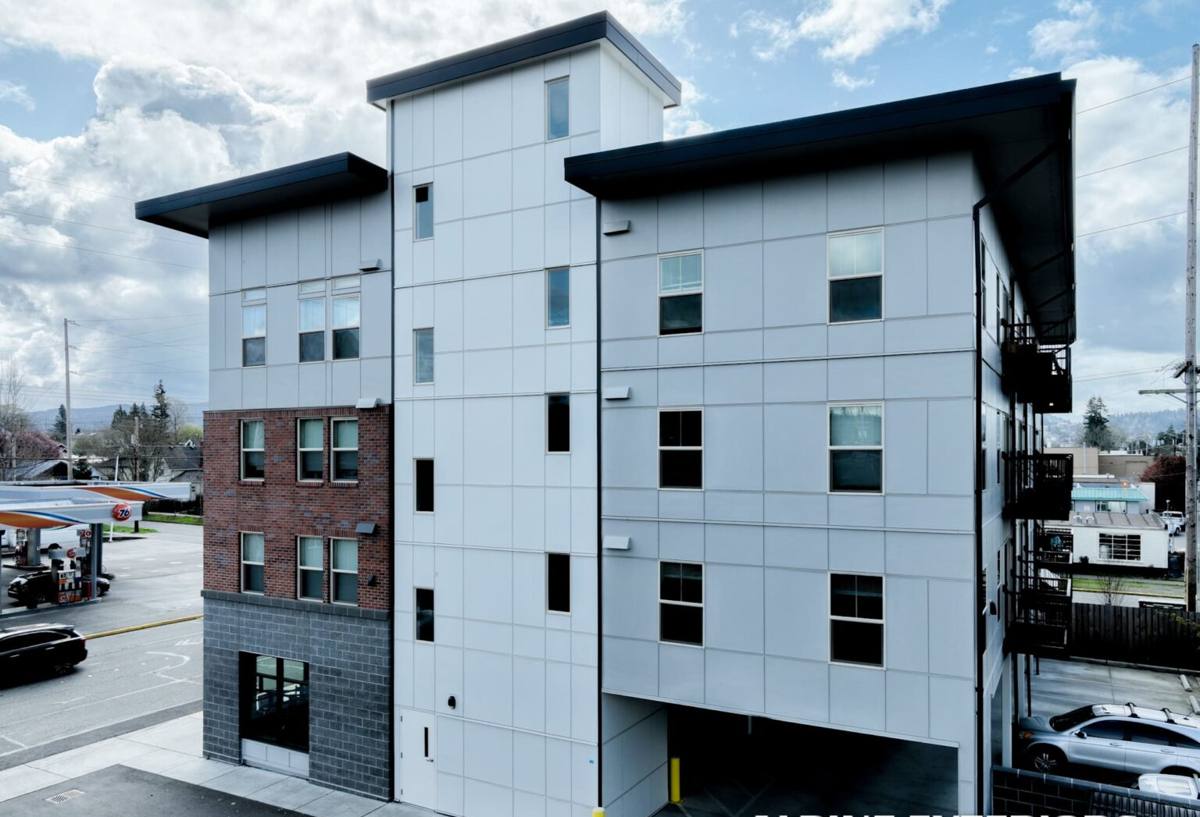
What Sumas Weather Actually Does to a House
Three things define the exterior climate load on a Sumas home over the life of its siding:
- Driving rain: Wind-driven rain doesn't just wet the siding surface — it pushes moisture up under laps and into fastener penetrations if the install isn't flashed and sealed correctly.
- Long moss season: Whatcom County's wet season stretches from fall through spring. Anything that stays damp for weeks at a time — north-facing walls, shaded elevations, areas near landscaping — becomes a candidate for moss, algae, and mildew growth on the siding surface.
- Freeze-thaw cycling: The valley floor around Sumas cools faster and holds cold air longer than in-town Lynden on clear winter nights. Materials that absorb even small amounts of moisture expand when that moisture freezes, and repeated cycles stress paint film, caulk joints, and the siding material itself.
None of this is unique to Sumas in an extreme way — it's Pacific Northwest exterior siding work, done right. But it means shortcuts that might get away with it in a drier climate show up fast here: bad caulk joints open within a season or two, unsealed cut ends wick moisture, and cheap paint finishes chalk and fade well ahead of schedule.
Why We Only Install James Hardie
We made a standing decision not to install vinyl siding, LP SmartSide, cedar, primed spruce, Cemplank, or Allura. That's not a marketing position — it's a professional call based on what holds up under exactly the conditions described above.
The short version of why
- Vinyl is affordable and low-maintenance in mild climates, but it expands and contracts with temperature swings, can crack in hard freezes, and its color is baked into a plastic surface that fades unevenly over time rather than a factory-cured finish.
- LP SmartSide and other wood-strand products perform well when the finish stays intact, but any breach — a missed caulk joint, a woodpecker hole, an unsealed cut edge — lets moisture into a wood-based substrate that can swell and deteriorate from the inside out.
- Cedar and primed spruce are real wood, which means real wood problems: repainting cycles, checking, and rot risk anywhere moisture sits, which in a long moss season is more places than homeowners expect.
- Cemplank and Allura are fiber cement competitors to Hardie and are reasonable products in general, but we standardized on one manufacturer so our crew's install technique, warranty process, and product knowledge stay consistent and deep rather than spread across systems.
James Hardie fiber cement is non-combustible, dimensionally stable across temperature and humidity swings, and available in climate-engineered HZ product lines built specifically for wet, temperate climates like ours. The ColorPlus factory finish is baked on under controlled conditions rather than field-applied, which means better fade resistance and a finish warranty that follows the product. When it's installed to Hardie's spec — correct clearances, correct fastening, correct joint treatment — it's a system that's proven itself over decades in exactly this kind of weather.
What a Correct Installation Actually Involves
Fiber cement siding is only as good as the install behind it. The material can be excellent and still fail early if basic details are skipped. Here's what we hold every Sumas-area job to:
Water management comes first
Before a single piece of siding goes up, the wall needs a correctly lapped weather-resistive barrier, properly integrated flashing at every window, door, and penetration, and drainage capacity so any water that gets behind the cladding has somewhere to go. This is the part of the job that's invisible once it's finished — and the part that determines whether the house stays dry for the next 30 years.
Clearances and gaps, done to spec
Hardie's installation instructions call for specific clearances from grade, roofing, decks, and other abutting surfaces, plus gaps at butt joints and trim that get properly caulked or covered — never installed tight and hoping. Skipping these clearances is one of the most common ways fiber cement siding gets blamed for a moisture problem that was actually an installation error.
Fastening
Correct fastener type, spacing, and depth matter for both wind resistance and for keeping the board from working loose over repeated freeze-thaw cycles. Overdriven or underdriven fasteners are a common shortcut that shows up as popped nails or loosened boards within a few years.
Cut-edge sealing
Every field-cut edge of Hardie siding needs to be sealed per manufacturer spec before installation. An unsealed cut edge is a direct path for moisture into the board — small detail, big consequence if skipped.
Caulking and joint treatment
Quality sealant at the right joints, applied correctly, is what keeps driving rain from finding its way behind the cladding. This is exactly the detail that separates a job that looks fine at handoff from one that still looks fine in year ten.
Our process, start to finish
- On-site assessment of the home's current siding, wall assembly, and problem areas (moisture staining, moss buildup, rot pockets)
- Written scope covering tear-off, water-resistive barrier and flashing plan, product line and color selection, and trim details
- Old siding removal and sheathing inspection — any rot or damage found gets addressed before new material goes up, not covered over
- Weather barrier and flashing installation at every penetration
- Hardie panel or lap installation to manufacturer clearance, fastening, and joint specs
- Trim, caulking, and final detail work
- Walkthrough and cleanup
Comparing Siding Options for a Sumas-Area Home
| Material | Moisture Behavior | Maintenance | Typical Lifespan |
|---|---|---|---|
| James Hardie fiber cement (our install) | Non-combustible, dimensionally stable, engineered HZ lines for wet climates | Low — factory ColorPlus finish, occasional wash | Decades when installed to spec |
| Vinyl | Doesn't absorb water, but can warp/crack with temperature swings | Low, but color fades and can't be easily repaired in sections | Variable, shorter in temperature extremes |
| LP SmartSide / wood-strand | Vulnerable once finish is breached | Moderate — finish upkeep, edge sealing critical | Depends heavily on maintenance |
| Cedar / primed spruce | Absorbs moisture readily, prone to checking and rot | High — repainting/staining cycles | Shorter without diligent upkeep |
Signs a Sumas Home's Current Siding Is Past Its Service Life
- Visible moss or algae streaking that returns shortly after washing
- Soft spots, bubbling, or warping anywhere on the wall surface
- Paint that's chalking, peeling, or fading unevenly
- Gaps opening at trim, corners, or butt joints
- Visible staining or discoloration around window and door openings, which often points to a flashing failure behind the siding
- Cracked or missing sections after wind events
Any one of these is worth a look. Several at once usually means the underlying water management, not just the visible siding, needs attention.
Cost Factors Homeowners Should Actually Weigh
We won't quote a number without seeing the house, but the real cost drivers on a Sumas-area re-side are consistent:
- Condition of the sheathing underneath — rot repair adds cost but is far cheaper to fix now than to cover over
- Home size and wall complexity — number of corners, penetrations, and trim details
- Product line and profile chosen — lap width, panel style, and ColorPlus color
- Access — second stories, tight side yards, and obstructions affect labor time
- Tear-off and disposal of the existing siding
Homeowners who defer replacement because of upfront cost often end up paying more later, once sheathing rot or window flashing damage has spread behind failing siding. An honest assessment up front is worth more than a fast, low estimate that doesn't account for what's actually happening at the wall.
Why a Local Crew Matters for This Job Specifically
Sumas and the surrounding Whatcom County area have their own microclimate quirks — the valley's cold pockets, the wind exposure near the border, the specific way moss builds on certain elevations here versus in-town Lynden. A crew that works this area regularly makes fewer assumptions and catches problems specific to this ground, this weather, and these older housing stock patterns faster than a crew driving in from outside the county. We're not guessing at what Sumas weather does to a wall assembly — we see it on a recurring basis.
Being local also means we're not disappearing after the job wraps. Warranty follow-up, questions six months in, a caulk joint that needs a look after the first hard winter — that's easier to handle for a crew that's still working the same streets next season.
If you're weighing a re-side in Sumas or anywhere else around Lynden, we're happy to come take a look and give you a straight, no-pressure assessment of what your home actually needs. There's a form below — reach out and we'll get a time on the calendar.