 Lynden
 Deck Replacement in Nooksack: Building for What This Climate Actually Does
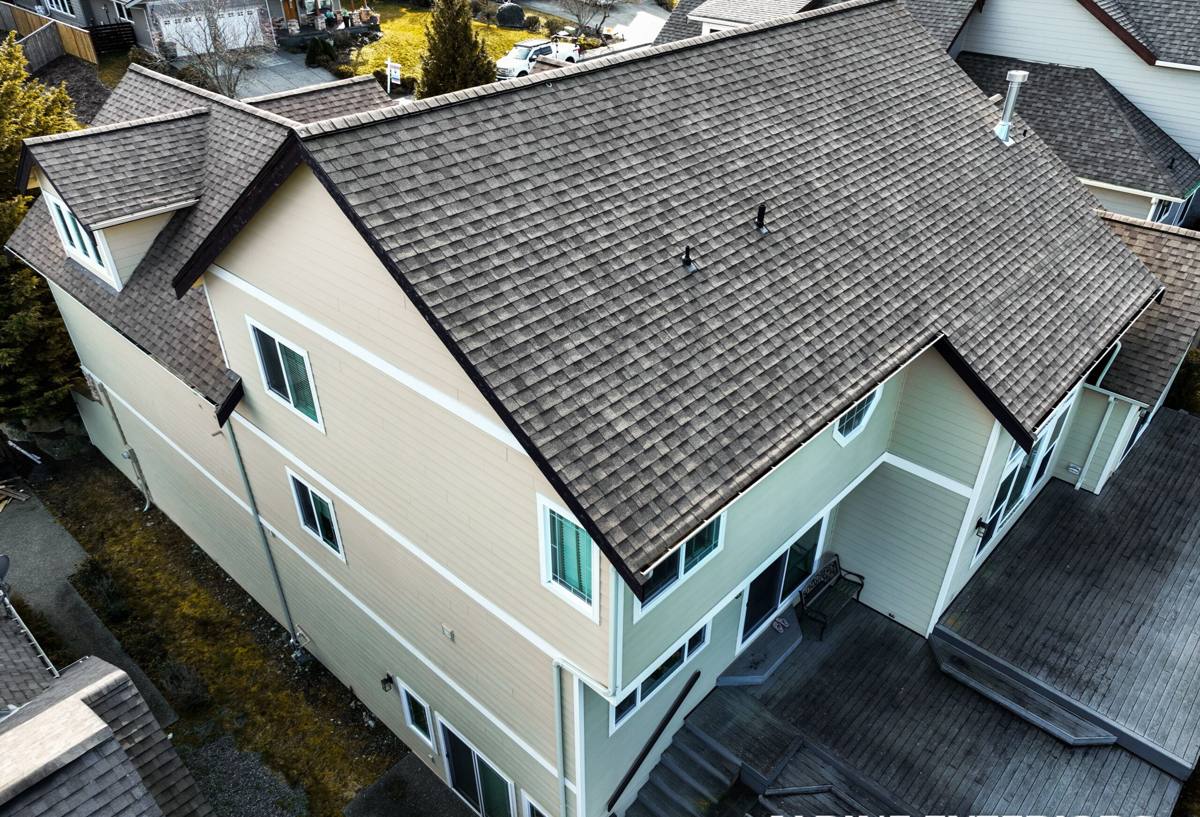
Nooksack sits in the low, flat farmland of northern Whatcom County, close enough to the Nooksack River and open fields that decks here take on a specific combination of punishment: salt-tinged marine air drifting in off the Sound, long stretches of driving rain through fall and winter, and a moss season that can run most of the year on any horizontal surface that doesn't get much sun or airflow. A deck is a horizontal, exposed structure sitting right in the path of all three, which is why decks in this area tend to fail years before a homeowner expects them to if they weren't built with this climate in mind. Deck replacement in Nooksack isn't just swapping old boards for new ones — it's an opportunity to fix the structural and drainage problems that caused the failure in the first place, so the next deck actually lasts.
Why Decks Fail Faster Here Than in a Drier Climate
Standing Moisture on Horizontal Surfaces
Unlike a wall, a deck surface is flat, which means water sits on it instead of running off quickly. Rain, dew, and condensation all pool in low spots, gaps, and around fasteners, and that standing moisture is what drives rot in framing and decking alike. A deck built without enough slope, without proper spacing between boards, or without a ledger and joist system that sheds water will hold moisture far longer than it should through a wet Whatcom County winter.
Moss and Organic Growth
Mild temperatures, shade from surrounding trees or structures, and near-constant moisture add up to a long moss and algae season on deck surfaces across this part of the county. Beyond the cosmetic issue, moss holds water against the board surface, accelerates decay in wood products, and creates a slip hazard that gets worse every wet season it's left untreated. Decks that don't get much direct sun, which describes a lot of shaded or covered outdoor living space here, are the first to show it.
Salt Air and Fastener Corrosion
Even away from the immediate shoreline, this part of Whatcom County gets a steady dose of salt-laden marine air moving through on prevailing weather patterns. Salt accelerates corrosion in fasteners, structural hardware, and any lower-grade metal connectors used in the deck frame. A deck that looks fine on the surface can have compromised joist hangers or rusted-through fasteners underneath, which is a structural safety issue, not just a maintenance one.
Signs a Nooksack Deck Needs Replacement, Not Just Repair
- Soft, spongy, or bouncy decking boards, especially in shaded areas or near the house
- Rust staining bleeding out around fasteners or connector hardware
- Persistent moss or dark staining that returns quickly after cleaning
- Visible gaps, cupping, or splitting in boards that widen year over year
- A ledger board pulling away from the house, or soft siding/trim near the ledger connection
- Railing posts that wobble or flex under normal weight
- Framing that shows rot, discoloration, or insect damage when accessed from underneath
Some of these are cosmetic and can be addressed with board replacement or refinishing. Others, particularly ledger issues, rusted hardware, and soft framing, are structural and mean the deck needs to come off entirely rather than get patched. We tell homeowners honestly which category their deck falls into rather than defaulting to the more expensive answer.
What a Correct Deck Replacement Involves
Structural Assessment First
Before any demolition, we look at the ledger connection, the foundation or footings, and the framing itself. In this climate, footings that were undersized or set too shallow originally, or a ledger that was never properly flashed against the house, are common root causes of a deck failing well before its expected lifespan. Replacing decking on top of a compromised structure just delays the real problem.
Ledger Flashing Done Right
The ledger board, where the deck attaches to the house, is one of the most common failure points in this region because wind-driven rain pushes moisture sideways into that connection if it isn't flashed correctly. A proper ledger installation includes flashing that directs water away from the house structure and a gap or drainage plane that keeps moisture from being trapped between the ledger and the siding. Skipping or shortcutting this step is one of the fastest ways to create hidden rot behind a deck that looks fine from the outside.
Framing and Fastener Choice
Given the salt air and sustained moisture in this area, we spec corrosion-resistant fasteners and structural connectors rated for exterior, ground-contact, or coastal-exposure use, not standard interior-grade hardware. Joist spacing and blocking are set to the actual span and load requirements, not just whatever the old deck used, since older decks in this area were often built lighter than current framing practice calls for.
Drainage and Slope
A correctly built deck surface has a slight slope away from the house so water sheds instead of pooling. Board spacing matters too — gaps that are too tight trap debris and moisture between boards, while proper spacing lets air move and water drain through. We also look at what's happening underneath the deck, since poor grading or blocked drainage at ground level can keep the whole structure damp long after a rain event ends.
Decking Material Selection
Material choice depends on the homeowner's priorities around maintenance, appearance, and budget. Pressure-treated lumber is the lower-cost option but requires the most ongoing maintenance in a climate this wet. Composite and capped composite decking cost more upfront but resist moisture absorption and moss growth better over time, which matters more here than in a drier region. We walk homeowners through the real maintenance trade-offs of each option rather than steering toward whichever costs more.
Decking Material Comparison for This Climate
| Material | Upfront Cost | Moisture & Moss Behavior Here | Maintenance |
|---|---|---|---|
| Pressure-treated lumber | Lowest | Absorbs moisture, prone to moss and splitting without regular sealing | Annual cleaning and sealing recommended |
| Cedar | Mid-range | Natural rot resistance but still absorbs moisture over time in sustained wet seasons | Periodic staining or sealing to maintain appearance and protection |
| Composite decking | Higher | Resists moisture absorption and moss buildup better than wood | Occasional washing, no sealing or staining |
| Capped composite | Highest | Best moisture and stain resistance of the common options | Minimal — periodic washing only |
Framing lumber, hardware grade, footing depth, and site accessibility also factor into overall cost. Exact numbers depend on the specific property and scope, which is why we walk each deck in person before giving a real estimate rather than quoting off a generic price sheet.
How Our Deck Replacement Process Works
- On-site assessment: We inspect the existing deck's framing, ledger connection, footings, and decking to determine what's structural and what's cosmetic.
- Honest scope and estimate: We explain what needs to happen and why, including any structural issues we found, before giving a written estimate.
- Demolition and disposal: The old structure comes out, including any framing or footings that don't meet current spec, and debris is hauled off site.
- Footing and framing work: Footings are set or corrected to proper depth, and framing is built with corrosion-resistant hardware sized for the actual load and span.
- Ledger flashing: The ledger connection to the house is flashed correctly to keep wind-driven rain from tracking into the wall assembly.
- Decking and railing installation: Boards are installed with proper spacing and slope, and railings are set to current code requirements for height and spacing.
- Final walkthrough: We go over the finished deck with the homeowner, including any maintenance recommendations specific to the material chosen.
Permits, Code, and What Homeowners Should Ask About
Deck replacement in Whatcom County typically requires a building permit, particularly when the deck is attached to the house, elevated above a certain height, or involves structural changes to footings or framing. Requirements can vary depending on the specific jurisdiction and the scope of work. A contractor who handles permitting as part of the job, rather than leaving it to the homeowner to sort out, is generally a good sign they're building to code rather than hoping an inspection never happens.
Questions Worth Asking Any Deck Contractor
- Will you pull the required permit, and is that included in the estimate?
- What fastener and hardware grade do you use, and is it rated for this climate?
- How will the ledger connection be flashed against the house?
- What's your plan if you find rot or damage in the framing once demo starts?
- What's the expected maintenance schedule for the decking material we choose?
Why a Local Crew Matters for This Job
A crew that works across Whatcom County day to day sees how salt air, driving rain, and a long moss season actually behave on real decks over a full year, not just how a material performs on a spec sheet. That means knowing which orientations stay wet longest, which ledger and flashing details are worth the extra time on install day, and which fastener grades hold up versus which ones show rust within a couple of seasons. Nooksack's flat, open farmland setting and proximity to the river mean moisture and shade patterns can differ from a more sheltered or elevated lot elsewhere in the county, and a crew with local experience accounts for that instead of applying the same build to every property regardless of site conditions.
Get a Free, No-Pressure Estimate
If your Nooksack deck is showing soft boards, rust stains, persistent moss, or just isn't holding up the way it should, we're glad to take a look and give you an honest assessment of whether it needs repair or full replacement. Reach out using the form below to schedule a free estimate — no pressure, no upsell script.