 Lynden
 New-Construction Windows Built for Laurel's Weather
Laurel sits in the same wet, wind-driven weather pattern as the rest of Whatcom County, but new construction gives you one advantage a remodel never will: the chance to get the window opening built right the very first time. Flashing, sheathing, and window selection all get decided before drywall or siding ever goes up. Get that sequence wrong and you're looking at rot, staining, or air leaks in five to ten years. Get it right, and the windows will likely outlast the rest of the exterior finish.
Our crew works new builds and additions around Lynden regularly, which means we're used to coordinating with framers, siding crews, and inspectors on the same job — not just showing up to caulk in a window after the fact.
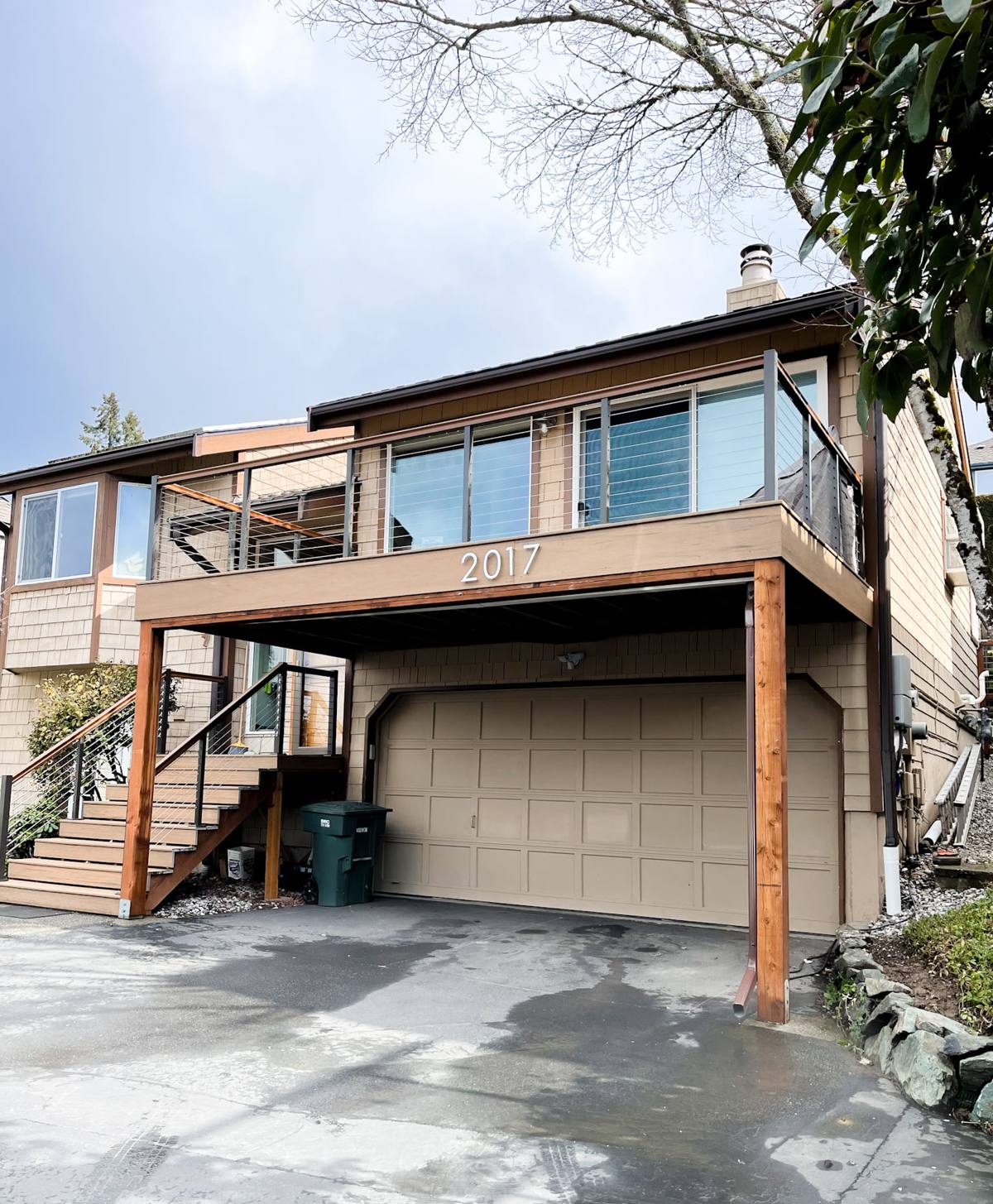
What Laurel's Climate Actually Does to a Window Opening
This part of Whatcom County sees a specific combination of stresses that new-construction windows need to be detailed for from day one:
- Driving rain: Wind-driven rain off the Salish Sea and Fraser Valley pushes water sideways into wall assemblies, not just straight down. Flashing details matter more here than in drier climates.
- Salt-tinged air: Proximity to Puget Sound and Bellingham Bay means airborne salt content is higher than fully inland areas, which accelerates corrosion on unprotected fasteners and lower-grade hardware.
- Long moss season: Mild, wet falls and winters keep humidity near exterior walls elevated for months at a time, feeding moss and algae growth in any spot that stays damp — including window sills and trim.
- Temperature swings: Whatcom County gets real seasonal range, and window frames expand and contract accordingly. Sloppy shimming or over-tight installation shows up later as sticking sashes or condensation.
None of this is exotic — it's just Pacific Northwest weather doing what it does year-round. But it means a window opening built to a generic national spec, without local judgment, is more likely to fail early.
Why the Rough Opening Matters as Much as the Window Itself
A premium window installed in a poorly flashed rough opening will still leak. A mid-grade window installed correctly, with proper flashing tape, sill pan drainage, and head flashing that sheds water outward, will usually outperform it. On new construction we control both variables, which is exactly why this stage is worth getting right rather than rushing to close in the walls.
What a Correct New-Construction Window Install Involves
There's a specific sequence that protects the opening long-term. Skipping steps to save a few hours on install day is where most future callbacks come from.
- Sill pan flashing: A sloped, sealed pan under the window opening so any water that gets past the window drains back outside instead of sitting on the sill or wicking into the subfloor.
- Weather-resistant barrier integration: The house wrap or building paper has to be shingled and taped in the correct order around the opening so water sheds down and out, not into the wall cavity.
- Window flashing tape: Applied to jambs and head in the right sequence, lapped correctly, and compatible with the wrap already on the wall.
- Proper shimming and fastening: Shims placed at manufacturer-specified points, with fasteners set to allow for expansion — not overdriven, which pinches the frame and causes long-term operation problems.
- Head flashing with a drip cap: Directs driving rain away from the top of the window rather than letting it run down the face of the unit.
- Sealant, not caulk-and-hope: Backer rod and the correct sealant at the right joints — sealant is a backup to the flashing system, not a substitute for it.
Window Product Considerations for This Area
We install a range of window lines and don't push one brand as a blanket answer, because the right product depends on budget, exposure, and the home's design. That said, a few local factors are worth weighing early:
| Factor | Why It Matters Here |
|---|---|
| Frame material | Vinyl and fiberglass resist moisture well and need little upkeep; wood offers a traditional look but needs more attentive maintenance in a wet climate like ours. |
| Corrosion-resistant hardware | Given the salt-tinged air near the Sound, stainless or coated fasteners and hinges hold up better long-term than standard-grade hardware. |
| Glazing package | Double-pane, low-E glass is close to standard now; the coating and gas-fill spec affects both comfort and condensation resistance during our cold, wet stretches. |
| Sill design | Sloped sills that shed water quickly reduce standing moisture, which matters directly for moss and mildew resistance. |
| Exterior finish compatibility | The window trim detail needs to be planned alongside your siding choice so the two systems shed water together, not against each other. |
We're glad to walk through specific manufacturer lines and warranty terms once we know your budget and the home's design — this table is meant to frame the decision, not make it for you.
A Note on Product Trade-Offs
Every window line involves trade-offs between upfront cost, maintenance burden, and long-term warranty coverage. Our standard is to recommend what fits the home and the budget honestly, including telling you when a lower-cost option is a reasonable choice for a given application and when it isn't. We'd rather explain the trade-off up front than have you find out the hard way after move-in.
Our Process for a Laurel New-Construction Job
New construction moves on a schedule set by other trades, so coordination matters as much as install quality.
- Plan review: We look at the window schedule and rough opening dimensions against the actual framing before install day, catching sizing mismatches early instead of on site.
- Flashing sequence coordination: We confirm with the framing or wrap crew who's responsible for what, so there's no gap where nobody flashed a critical seam.
- Install: Sill pans, flashing tape, and window setting done in the sequence outlined above, with attention to level, plumb, and square — not just "close enough."
- Documentation: Photos of flashing details before they're covered by siding, so there's a record of what's behind the finish if it's ever needed later.
- Final check: Every window operates, locks, and seals correctly before we consider the job done.
Checklist: What to Confirm With Any Window Installer on New Construction
- Do they install sill pan flashing on every opening, not just "problem" ones?
- Can they explain their flashing sequence in plain terms, not just brand names?
- Do they coordinate directly with your framer or general contractor, or expect you to relay everything?
- Will they document flashing details with photos before siding covers them?
- Are they familiar with Whatcom County permitting and inspection expectations?
- Do they carry manufacturer certification for the window lines they're installing?
Why a Local Crew Matters for This Job
New-construction window work isn't just a product install — it's a coordination job between the window opening, the weather barrier, and the eventual siding. A crew that already works in and around Lynden knows what this region's weather does to a poorly flashed opening, because we've opened up enough walls on other jobs to have seen it firsthand. That's different from following a manufacturer's install sheet without local context.
We're also on hand if a question comes up mid-build — timing questions with framers, sequencing with your siding installer, or a change to the window schedule — without the lag of an out-of-area company.
Timing New-Construction Windows Into Your Build
Window install timing on new construction is tighter than most homeowners expect. Windows typically go in after the weather-resistant barrier is on but before siding starts, and the flashing sequence has to be coordinated with whoever installs the wrap. If you're planning a Laurel-area new build or addition, loop us in during the framing stage rather than after — it gives us room to review the window schedule and flag any rough-opening issues before they become expensive to fix.
Maintenance After Move-In
A correctly installed window needs very little attention, but a little goes a long way in this climate:
- Rinse sills and tracks periodically to clear moss and algae buildup, especially on north- and west-facing windows that stay shaded and damp longer.
- Check exterior caulking annually — it's a backup layer, and UV and weather will eventually wear it down even on a well-flashed opening.
- Keep gutters and downspouts clear so roof runoff isn't dumping extra water onto window heads below.
- Operate each window through its full range a few times a year so hardware doesn't seize up during long dry stretches between uses.
Get a Straightforward Estimate
If you're building or adding on in the Laurel area near Lynden, we're happy to look at your window schedule and talk through options honestly — no pressure, no upsell script. Fill out the form below for a free estimate and we'll go from there.