 Lynden
 Metal Roofing for Maple Falls Homes
Maple Falls sits in a part of Whatcom County where roofs work harder than most people realize. Between long stretches of steady rain, wind-driven storms moving in off the water, and shaded, tree-covered lots that stay damp well after the rest of the county has dried out, a roof here is rarely just sitting in the sun. It's absorbing moisture, shedding it, and doing that cycle over and over for most of the year. Metal roofing has become a popular answer to that problem, and for good reason — but only when it's specified and installed correctly for this specific climate.
This page is about metal roofing specifically for homes in and around Maple Falls. Not a general overview of metal roofing everywhere, but what actually matters when you're putting a metal roof on a house that has to deal with Whatcom County's wet season, year after year, without babysitting.
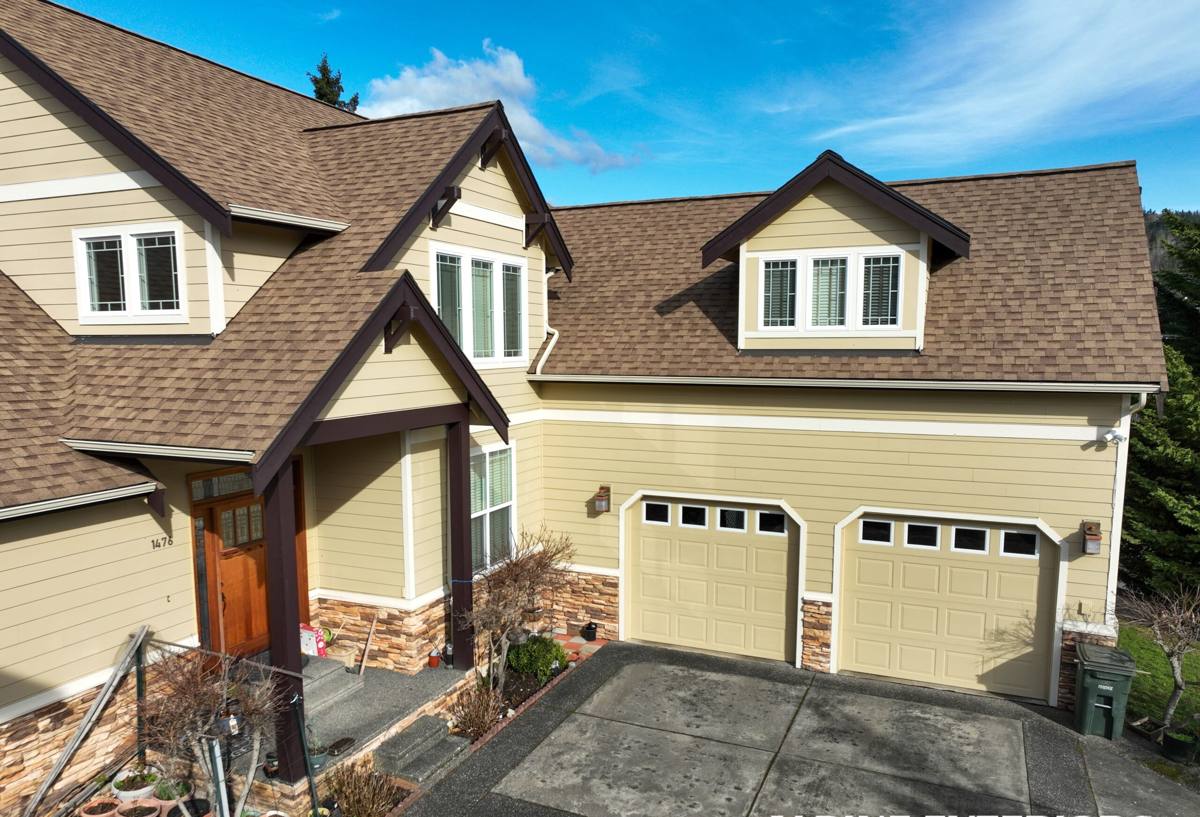
What This Climate Actually Does to a Roof
Three things drive most of the roofing problems we see out this way, and they all show up on a metal roofing job in different ways.
Driving Rain and Wind
Storms moving through this part of Washington don't always fall straight down. Wind pushes rain sideways under shingle tabs, into open laps, and up under poorly sealed flashing. A roof that only performs well in calm weather isn't built for this area — the details that keep water out during a sideways downpour are exactly the details that get skipped on a rushed install.
Marine-Influenced Moisture
Whatcom County sits close enough to the coast that the weather systems moving through carry a lot of moisture-laden marine air, even well inland. That means longer periods of damp, humid conditions than you'd see further from the water — which matters for how fasteners, sealants, and underlayment hold up over the life of a roof.
Moss and Shade
Tree cover is part of what makes Maple Falls a nice place to live, but it also means many roofs stay shaded and damp longer than roofs out in the open. That's exactly the environment moss and organic growth need. On the wrong roofing material, moss doesn't just look bad — it holds moisture against the roof surface and can work its way under laps and fasteners over time.
None of this means metal roofing is a magic fix. It means the installation has to account for all three of these things at once, not just look good on a dry, calm day.
Why Metal Roofing Makes Sense Here
Done correctly, metal roofing handles this climate better than most other options for a few concrete reasons:
- Smooth, sloped metal panels give moss and algae far less to grab onto compared to textured or porous roofing materials.
- Properly seamed and fastened metal sheds wind-driven rain instead of relying on gravity alone.
- Metal roofing has a long service life, which matters when you're weighing the upfront cost against decades of exposure to this kind of weather.
- Steep or shallow, metal performs consistently across the range of roof pitches common on homes in this area.
That said, metal roofing isn't automatically low-maintenance just because it's metal. A poorly installed metal roof will still leak, still trap debris in valleys, and still let moss creep in around penetrations and trim. The material helps; the installation is what actually determines the outcome.
Standing Seam vs. Exposed Fastener: Which Fits Your Home
Most metal roofing decisions in this area come down to one of two systems. Both can be right, depending on the home, the budget, and how the roof is used.
| Factor | Standing Seam | Exposed Fastener |
|---|---|---|
| How it's fastened | Hidden clips under raised seams — no exposed screws through the panel face | Screws driven through the panel face into the roof deck or purlins |
| Water performance | Excellent in driving rain; seams interlock rather than relying on a sealed screw | Good, but every fastener is a potential future leak point as washers age |
| Long-term maintenance | Minimal — no fastener washers to inspect or replace over time | Fastener washers typically need checking and occasional replacement over the roof's life |
| Upfront cost | Higher material and labor cost | More budget-friendly, especially on outbuildings and shops |
| Best fit | Primary residences, especially on lower-slope or high-exposure roofs | Shops, outbuildings, garages, and budget-conscious residential re-roofs |
We'll walk through both options honestly during your estimate. For a primary home in a shaded, damp part of Maple Falls, we usually lean toward standing seam because there's simply less that can go wrong over the next 30-plus years. But exposed fastener systems, installed correctly with quality fasteners and proper spacing, still hold up well and make sense for a lot of budgets and buildings.
What a Correct Metal Roofing Job Actually Involves
The material is only one piece. The details underneath and around it are what determine whether a metal roof performs for decades or causes problems within a few years.
Deck and Underlayment
We check the roof deck for soft spots or rot before anything goes down — a common issue on older homes where a previous roof trapped moisture longer than it should have. A high-temp, self-adhered underlayment (not old-style felt) goes down as the water barrier of last resort under the metal, especially important given how much sustained moisture this area sees.
Flashing and Penetrations
Valleys, chimneys, skylights, and vent penetrations are where most roof leaks actually start, on any roofing material. Flashing has to be formed and layered correctly so water is always directed down and away, never allowed to pool or back up under wind-driven rain.
Fasteners and Sealants
On exposed fastener systems, screw spacing, torque, and washer quality all matter more here than in a drier climate, because these components spend more of the year wet. On standing seam, clip spacing and panel expansion allowance matter for how the roof handles temperature swings without stressing the seams.
Ventilation
A metal roof installed over a poorly ventilated attic can trap moisture underneath it just as easily as any other roofing material. Proper intake and exhaust ventilation is part of the job, not an afterthought, especially on homes with the kind of shaded, damp conditions common around Maple Falls.
Snow and Debris Management
Homes with more open exposure benefit from snow retention detailing where roof pitch and entry points make sliding snow a concern. Homes under heavier tree cover need valley and gutter details sized to actually handle needles, leaves, and moss debris, not just clean rainwater.
Our Process, From Estimate to Cleanup
- On-site assessment. We walk the roof, check the deck condition, look at existing ventilation, and note tree cover, shading, and drainage patterns specific to your property.
- Honest system recommendation. We'll tell you whether standing seam or exposed fastener makes more sense for your home and budget, and why — not just upsell the more expensive option.
- Written estimate. Clear scope, materials, and pricing before any work starts. No surprise change orders for things we should have caught during the assessment.
- Tear-off and deck repair. Old roofing comes off, and any soft or damaged decking gets replaced before new underlayment goes down.
- Installation. Underlayment, flashing, and panels installed to manufacturer spec and adjusted for local exposure — wind, shade, and moisture patterns specific to your lot.
- Final walkthrough and cleanup. We check seams, flashing, and fastener details with you before we leave, and the site is cleaned of debris and old material.
What Affects the Cost
| Cost Factor | Why It Matters |
|---|---|
| Roof size and pitch | Steeper or more complex rooflines take longer to install safely and use more material for cuts and waste |
| Panel system chosen | Standing seam runs higher than exposed fastener due to material and labor differences |
| Deck condition | Rot or soft decking found during tear-off adds repair cost before new roofing can go on |
| Number of penetrations | Chimneys, skylights, and vents each require custom flashing work |
| Tree cover and access | Shaded, tight-access lots common around Maple Falls can affect staging and cleanup time |
| Gutter and snow retention needs | Added protection for debris-heavy or higher-exposure roofs adds to the scope |
Exact numbers depend on your specific roof, which is why we walk every property in person rather than quoting off a phone call. Broadly, metal roofing costs more upfront than asphalt shingles, and the gap between exposed fastener and standing seam can be significant — but both are meant to be evaluated against decades of performance, not just the invoice on installation day.
Keeping a Metal Roof Performing Long-Term
A metal roof needs less attention than most other roofing types, but "less" isn't "none," especially in this climate.
- Clear needles, leaves, and debris out of valleys and around penetrations at least once or twice a year, more often under heavy tree cover.
- Check gutters and downspouts regularly so wind-driven rain and roof runoff actually get carried away from the foundation.
- Watch for moss starting at shaded edges or valleys and address it early, before it spreads or holds moisture against seams.
- Have exposed fastener washers checked periodically as part of a general roof inspection, since these are the components most likely to age over time.
- After major windstorms, do a visual check for lifted trim or flashing rather than waiting for a leak to show up inside.
Why Hiring a Crew That Knows Maple Falls Matters
Metal roofing installation isn't identical everywhere. A crew used to working in dry, low-moisture regions can make choices — on underlayment, flashing laps, or fastener spacing — that hold up fine there but fall short under Whatcom County's rain and moss conditions. Working regularly in and around Maple Falls means we're accounting for shaded lots, sustained moisture, and wind-driven rain as a matter of course, not as an afterthought once a callback comes in.
It also means we're realistic with you. We won't tell you a roof needs replacing when a repair will genuinely hold, and we won't talk you into the most expensive system if a more modest one is the right fit for your home and budget. Local experience is what makes an honest, accurate estimate possible in the first place.
Get a Free, No-Pressure Estimate
If you're weighing metal roofing options for a home in Maple Falls, we're happy to take a look, walk you through what your roof actually needs, and give you a straightforward estimate with no pressure attached. Use the form below to get started.