 Lynden
 Why Laurel Homes Need Windows Built for This Climate
Laurel sits in a corner of Whatcom County where the weather doesn't do anything halfway. Winters bring long stretches of driving rain pushed sideways by wind off the water, summers can swing surprisingly warm behind single-pane glass, and the damp, low-light months in between keep everything outside coated in a fine green film of moss and algae. Windows here take a beating that windows in drier parts of the state simply don't. Old aluminum-frame or original wood-sash windows from decades past were never designed for this combination of salt-tinged air, near-constant humidity, and repeated wet-dry cycling.
When we talk about "energy-efficient windows" for a Laurel home, we're not just talking about a lower heating bill, though that matters. We're talking about a window assembly that keeps water out under wind pressure, resists condensation on the inside face during cold snaps, and holds its seal year after year without the frame swelling, rotting, or corroding. In this part of Whatcom County, efficiency and durability are the same conversation.
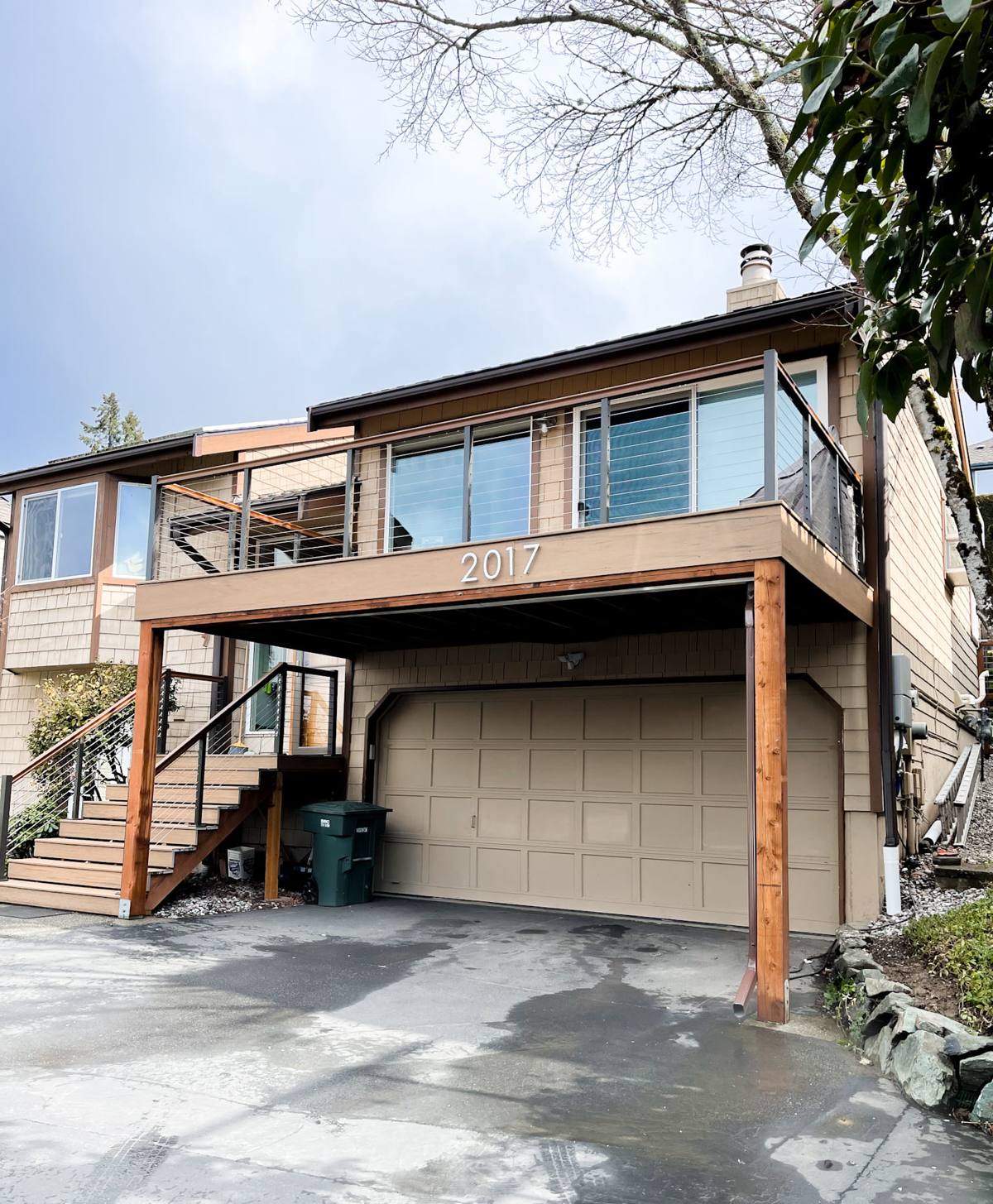
What "Correct" Actually Means for a Window Job Here
A lot of window problems we get called out to fix in the Lynden area aren't because the window itself was bad — they're because the installation didn't account for local conditions. Efficiency starts with the product, but it's finished (or ruined) by the install.
The Product Side
- Dual-pane (and often triple-pane on north- and west-facing walls) glass with low-E coatings tuned for our marine climate, not a desert climate
- Argon or krypton gas fill between panes to slow heat transfer
- Warm-edge spacer systems that resist condensation at the glass edge, a common failure point in humid coastal air
- Vinyl, fiberglass, or clad-wood frames that won't corrode from salt-laden moisture or need constant repainting
- Weatherstripping and multi-point locking hardware that keeps a tight seal under wind-driven rain, not just at rest
The Installation Side
- Proper flashing integration with the existing wall assembly — sill pan flashing especially, since a window that's watertight on paper but poorly flashed will leak at the sill within a few wet seasons
- Correct shimming and squaring so the sash operates smoothly and the seal compresses evenly all the way around
- Continuous backer rod and sealant at the exterior, sized and tooled correctly rather than just caulked over gaps
- Interior air sealing with low-expansion foam or sealant, not just insulation stuffed into the rough opening
- Tie-in to house wrap or weather-resistive barrier so water is shed down and out, not trapped behind the trim
Skip any one of these steps and you can end up with a window that's technically "energy efficient" on the label but performs poorly in practice — fogging between panes within a couple years, drafts around the frame, or worse, hidden moisture intrusion that rots the sheathing before anyone notices.
The Moss and Salt Air Factor
Laurel's proximity to both the water and heavily wooded, shaded lots means two things converge: salt-laden air moving in off Bellingham Bay and the Strait, and long moss seasons fed by moisture that just doesn't dry out fast in fall through spring. For windows, that combination shows up in a few predictable ways:
- Frame corrosion on lower-grade aluminum or unclad metal hardware, especially hinges and cranks on older casement windows
- Moss and algae growth on horizontal trim, sills, and mulled window assemblies where debris collects and stays wet
- Wood rot at sills and jambs on older wood-frame windows that were never properly sealed or maintained
- Condensation streaking that stains sills and drywall below the window when interior humidity meets a cold, poorly insulated frame
None of this means Laurel homeowners need to over-engineer their windows. It means the material choices and installation details need to match what this specific microclimate throws at a house, rather than defaulting to whatever's cheapest or most common in drier regions.
How We Approach a Window Project in Laurel
1. On-Site Assessment
We start by walking the exterior and interior of every window being considered — checking for soft spots at sills, signs of past leaks around trim, condensation staining, and how each window currently operates. We also look at sun exposure and wind exposure by elevation, since a west-facing window catching prevailing weather needs different attention than a sheltered window on the lee side of the house.
2. Straight Talk on What's Actually Needed
Not every window on a house needs replacing at once, and not every home needs the top-tier glass package on every elevation. We'll tell you plainly which windows are structurally sound and just need better glazing, and which ones have deeper issues — rot, failed flashing, frame damage — that replacement won't fix unless the surrounding wall detail is addressed too.
3. Removal and Prep
Old windows come out carefully, with attention to what's underneath — sheathing condition, existing flashing, any moisture damage. This is often where we find out why a window has been performing poorly, and it's the point where corrective work (replacing damaged sheathing, adding proper flashing) has to happen before the new window ever goes in.
4. Installation to Local Standards
New units are set, shimmed, flashed, and sealed to handle wind-driven rain specifically — not just a generic manufacturer install guide. That includes sill pan flashing, correct lap sequencing with the house wrap, and sealant details built for a climate that stays wet for months at a stretch.
5. Final Check and Operation Test
Every window gets tested for smooth operation, tight seal, and proper locking engagement before we consider the job finished. We also walk the exterior trim with you so you know what to expect in terms of appearance and maintenance going forward.
Comparing Window Options for a Coastal Whatcom County Home
| Frame Material | How It Handles This Climate | Maintenance | Typical Fit |
|---|---|---|---|
| Vinyl | Won't corrode or rot; handles moisture well | Low — occasional cleaning | Most homes, budget-conscious replacements |
| Fiberglass | Very stable in wet/dry and temperature swings; strong seal retention | Low | Homes wanting longer lifespan, less frame flex |
| Clad Wood | Good performance if cladding is intact; wood core needs protection from moisture at seams | Moderate — watch cladding seams and sills | Homes prioritizing interior wood look |
| Aluminum (uninsulated) | Prone to condensation and corrosion in salt air; poor thermal performance | Higher — corrosion and condensation issues over time | We generally don't recommend this for Laurel's exposure |
We steer most Laurel customers toward vinyl or fiberglass frames for the exterior-facing, weather-exposed elevations of a home, simply because they hold up with the least maintenance burden in a climate that doesn't give materials much of a break. Clad wood is a fine choice when the interior aesthetic matters and the homeowner is comfortable with a bit more upkeep at the cladding seams.
Glass Packages and What They Actually Do
Glass selection matters as much as frame material, and it's often the part homeowners have the least information about going in.
- Standard dual-pane, low-E: A solid baseline improvement over older single-pane or early dual-pane windows, and usually sufficient for east- and south-facing walls with moderate exposure.
- Dual-pane with argon fill: Better thermal performance for the same visual appearance, worthwhile on walls that take more direct wind or temperature swing.
- Triple-pane: Makes the most sense on north- and west-facing walls catching prevailing weather, or in rooms where drafts and cold-glass discomfort have been a persistent complaint. It adds cost and weight, so we only recommend it where the exposure justifies it.
- Warm-edge spacers: Not glass itself, but a spacer detail that reduces condensation risk at the edge of the pane — worth specifying regardless of which glass package you choose, given how much condensation shows up in this climate.
Signs It's Time to Replace Windows in Laurel
Homeowners often wait longer than they need to, partly because window failure is gradual rather than sudden. A few signs worth acting on:
- Visible fog or moisture trapped between panes — the seal has failed and can't be repaired, only replaced
- Persistent condensation on the interior glass or sill, even with normal household humidity
- Drafts you can feel by hand near the frame on a windy day
- Soft or discolored wood at the sill or jamb, especially on west- or south-facing units
- Difficulty opening, closing, or locking a window that used to operate smoothly
- Visible moss, algae, or persistent green staining on horizontal trim around the window
Cost Factors Worth Understanding
We don't publish blanket pricing because every Laurel home is different — window count, size, frame material, glass package, and how much wall repair is needed once old units come out all move the number. Broadly, homeowners should expect a range depending on:
| Factor | Why It Affects Cost |
|---|---|
| Frame material | Vinyl is typically the most budget-friendly; fiberglass and clad wood run higher |
| Glass package | Triple-pane and argon/krypton fill add cost over standard dual-pane low-E |
| Number and size of windows | Larger openings and full-house replacements scale cost accordingly |
| Condition behind the old window | Rot or flashing failure discovered during removal adds repair scope |
| Elevation and exposure | Wind- and rain-exposed walls may warrant upgraded flashing or glass detail |
The honest answer is that a proper on-site look is the only way to give a real number — anything else is a guess.
Why Hire a Crew That Already Knows Laurel
A window installer who mostly works drier inland areas may not think twice about sill flashing details or spacer condensation resistance, because their local conditions don't punish shortcuts the way ours do. A crew that's worked windows and siding throughout the Lynden area understands, without having to be told, why sill pan flashing isn't optional here, why moss and algae growth around trim is a maintenance issue worth planning for, and why salt-influenced air rules out certain hardware choices outright. That local knowledge shows up in fewer callbacks, fewer surprise leaks two winters later, and windows that actually deliver the efficiency they're rated for.
If you're weighing whether it's time to replace windows on a Laurel home, we're happy to take a look, walk you through what we're seeing, and put together a straightforward, no-pressure estimate — no obligation, just an honest assessment of what your home actually needs.