 Lynden
 Storm Damage Roof Repair for Kendall Homes
Kendall sits out toward the edge of Whatcom County, close enough to the foothills that weather systems moving in off the water pick up speed and moisture before they reach it. Homes here take a different kind of beating than roofs in town — more exposure to wind gusts funneling down the valley, more standing moisture after a storm, and a longer stretch of the year where the roof simply never fully dries out. When a wind event or a hard rain damages a roof out here, the repair has to account for all of that, not just patch the obvious hole.
This page is specifically about storm damage roof repair for Kendall properties — what causes it, what a correct repair actually involves, and how we handle the job from the first inspection to the final check. If you've got a roof that took a hit in the last storm, or you're not sure whether recent weather caused damage you can't see from the ground, this is the service you need.
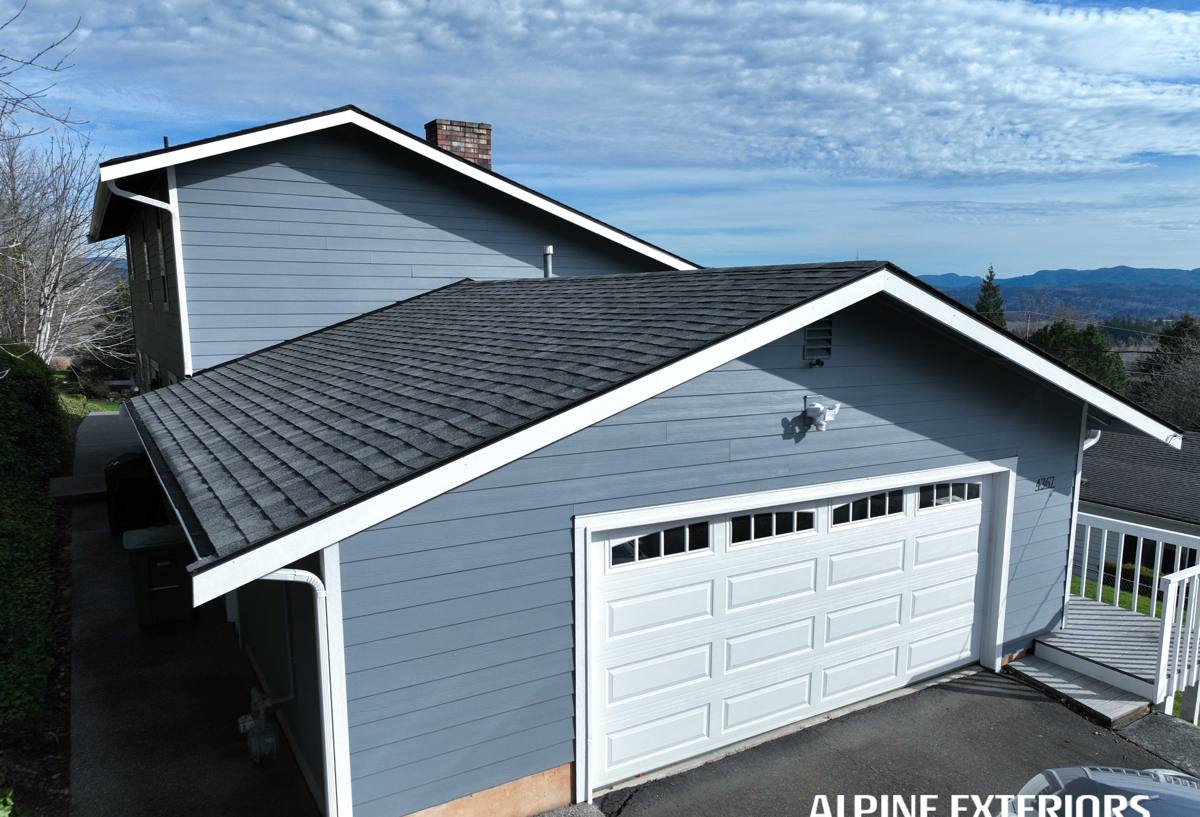
Why Storm Damage Hits Kendall Roofs Differently
Every roofing contractor in Washington deals with rain. What sets areas like Kendall apart is the combination of factors working on the roof at the same time.
Wind-Driven Rain
Storms coming through this part of Whatcom County often arrive with sustained wind, not just gusts. Wind-driven rain doesn't fall straight down — it pushes sideways and upward under shingle tabs, around flashing edges, and into any gap that a calm-weather rain would never reach. A roof that's held up fine for years can suddenly leak after one storm simply because the wind angle was different than usual.
Moss and Prolonged Moisture
Between the tree cover and the number of overcast, damp days in a typical year, moss season runs long here. Moss doesn't just sit on top of shingles — it holds water against the roof surface, works its way under tabs, and lifts them slightly over time. A shingle that's already been lifted by moss is far more likely to tear or blow off in the next windstorm, which is why storm damage and moss buildup are so often connected on the same roof.
Salt-Laden Air
Moisture moving inland off the Salish Sea carries a mild salt content with it. On its own that's a slow, gradual factor — but on metal flashing, fasteners, and gutter systems, it accelerates corrosion over the years. A fastener that's already weakened by corrosion is a much easier failure point when a storm puts real load on the roof deck.
Signs You May Have Storm Damage
Storm damage isn't always a missing shingle you can spot from the driveway. Some of the most common damage we find after a wind or rain event is only visible on a close inspection, or shows up as a leak days or weeks later once water finds its way through.
- Shingles that look curled, cracked, or lifted at the edges, even if none are missing
- Granules collecting in gutters or at the base of downspouts after a storm
- New or worsening moss growth concentrated in one section of the roof
- Water stains on ceilings or in the attic that weren't there before the last storm
- Flashing around chimneys, skylights, or vent pipes that looks bent, separated, or rusted
- Gutters pulled loose from the fascia, or debris packed in from wind
- Soft spots or sagging when walking the attic floor above a suspected leak area
If you notice any of these after a storm, the smart move is getting it looked at before the next rain rather than waiting to see if it gets worse.
What a Correct Storm Damage Repair Actually Involves
A lot of storm repair work in this region gets done as a quick patch — a few new shingles, some sealant, done. That approach often misses the underlying cause and leaves the roof vulnerable to the same failure in the next storm. A correct repair addresses both the visible damage and what allowed it to happen.
Temporary Protection First
If a roof has active damage letting water in, the first priority is stopping further intrusion — tarping exposed areas and securing loose material before doing anything else. This matters most during Kendall's wetter stretches of the year, when even a day of exposure can let a lot of water into the structure.
Full Assessment, Not Just the Obvious Spot
Wind damage rarely stays confined to one tidy area. We check the full roof plane, not just the spot that's visibly damaged, because wind that lifted one section of shingles usually stressed the fasteners and underlayment nearby too, even where nothing tore loose yet.
Matching Materials and Proper Tie-In
Replacement shingles need to match the existing roof in profile and, as closely as possible, in color and age-weathering — a mismatched patch is both an eyesore and, more importantly, a place where the tie-in seam can be a future leak point if it's not integrated correctly with the surrounding courses and underlayment.
Flashing and Fastener Attention
Given how corrosion and wind work together on Kendall roofs, we don't just replace shingles and leave the flashing and fasteners alone if they show wear. A repair that reuses compromised flashing is a repair that's likely to need doing again.
Our Process
- Inspection and documentation. We walk the full roof, photograph the damage, and identify both the immediate issue and any contributing wear.
- Temporary protection if needed. Active leaks or exposed decking get covered right away, before the full repair is scheduled.
- Written scope and estimate. You get a clear explanation of what's damaged, what needs to be repaired, and what it will cost — no vague line items.
- The repair itself. Matching materials, proper flashing work, and correct tie-in to the existing roof system.
- Final check. We confirm the repair is sealed and sound before we consider the job finished, not just visually complete.
Repair or Replace? Weighing the Decision
Not every storm-damaged roof needs a full replacement, but not every one should be patched, either. The right call depends on the roof's age, how widespread the damage is, and what condition the rest of the roof was already in before the storm.
| Factor | Leans Toward Repair | Leans Toward Replacement |
|---|---|---|
| Roof age | Under 12-15 years | Nearing or past expected lifespan |
| Damage extent | Isolated to one area or slope | Spread across multiple sections |
| Underlying condition | Deck and underlayment sound elsewhere | Existing moss damage or soft decking found |
| Storm frequency | First event in years | Repeat damage in recent seasons |
| Insurance scope | Claim covers a defined repair area | Adjuster scopes damage as widespread |
We'll give you an honest read on which side of this table your roof falls on — there's no benefit to us talking you into a full replacement when a proper repair will genuinely hold up.
Working With Insurance
Most storm damage repair in this area involves an insurance claim at some point. We document damage in a way that holds up to adjuster review — clear photos, a specific description of cause (wind, impact, water intrusion), and a scope that matches what's actually needed. We're not a public adjuster and won't promise a specific claim outcome, but we can make sure the paperwork on the roofing side is accurate and complete, which is often what determines whether a claim goes smoothly.
Why Hire a Crew That Already Works in Kendall
A roofer who mostly works in flatter, more sheltered parts of Whatcom County isn't necessarily tuned in to how wind behaves coming through this part of the county, or how long moss season really runs out here. Knowing the local pattern changes real decisions — which side of a roof takes the worst wind load, which flashing details tend to corrode first, how soon after a storm a repair should happen before moss and moisture make it worse. That's the kind of judgment that comes from doing this work in this specific area repeatedly, not from a general roofing background alone.
It also means we're not learning the area on your job. When we look at a Kendall roof, we already have a working sense of what's normal wear and what's storm-caused, which makes both the repair and the insurance documentation more accurate.
A Few Practical Things to Keep in Mind
- Don't wait out a suspected leak through another rain event — water intrusion compounds quickly once it starts
- Take photos of any visible damage as soon as you notice it, before cleanup or tarping changes the scene
- Ask any contractor for a written scope before work starts, not just a verbal estimate
- Be cautious of storm-chasing crews going door to door right after a major weather event — verify local licensing and a real local presence
- Address moss buildup separately from storm repair if it's significant — it's a contributing factor worth solving on its own
If your Kendall home took storm damage recently, or you just want a second set of eyes on a roof you're not sure about, we're happy to come take a look. The estimate is free, there's no pressure to sign anything on the spot, and you'll get a straight answer about what's actually needed — just fill out the form below.