 Lynden
 Ferndale's Climate Is Harder on Siding Than Most Homeowners Realize
Ferndale sits close enough to Bellingham Bay and the Strait of Georgia that salt-laden air is a regular part of the weather, not an occasional event. Combine that with Whatcom County's driving rain — the kind that comes in sideways off the water during fall and winter storms — and a moss and algae season that can run eight months or more in shaded, north-facing areas, and you have a climate that actively works against a lot of siding materials. Wood swells and rots. Vinyl chalks, cracks in the cold, and gives moisture a thousand tiny paths behind it. Even well-installed products fail early here if they weren't specified for this kind of exposure.
None of this is unique to any one street or subdivision in Ferndale — it's a function of proximity to the water and the general Pacific Northwest weather pattern that defines this stretch of Whatcom County. But it does mean that siding installation here isn't a generic job. The material, the detailing, and the sequencing all need to account for salt exposure, sustained wet periods, and prolonged shade in a way that inland projects don't.
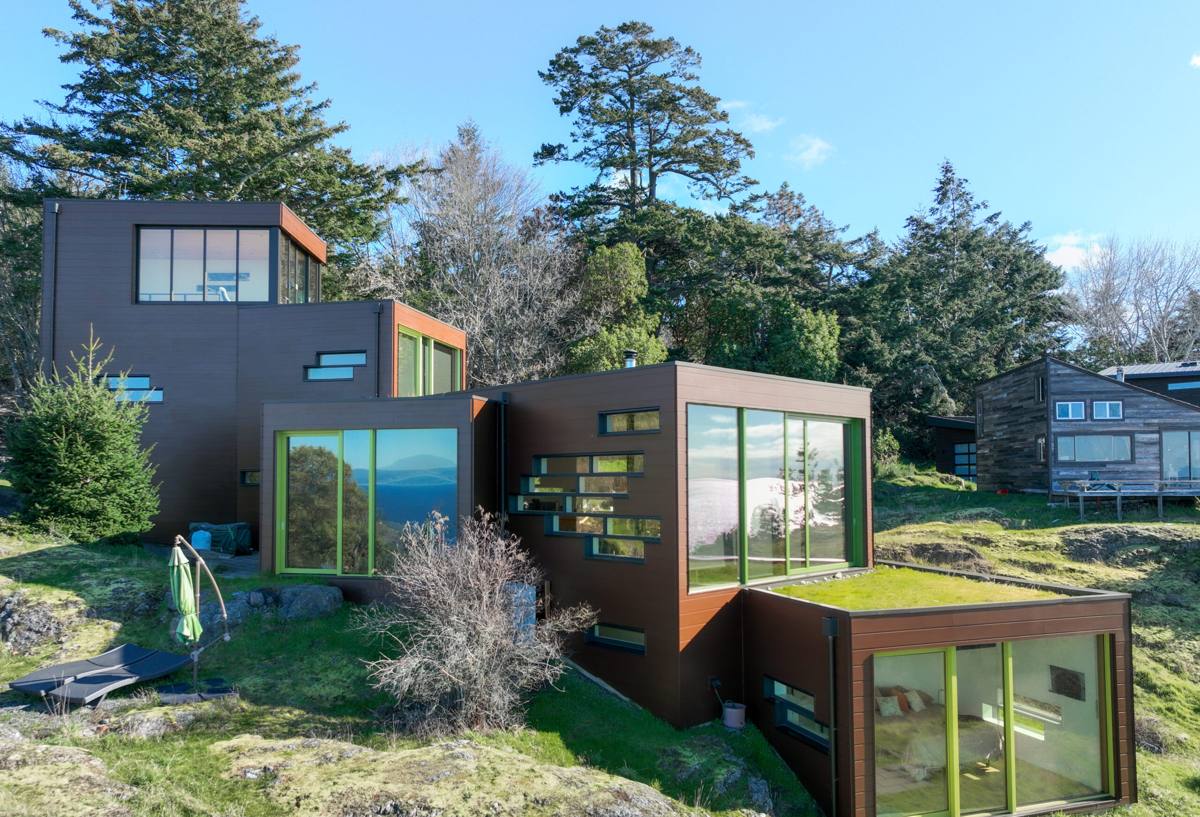
What Ferndale Homes Actually Need From Their Siding
Resistance to Salt Air
Airborne salt accelerates corrosion on fasteners, trim, and any metal flashing components, and it degrades some paint and coating systems faster than manufacturers' standard testing accounts for. Siding installed near the coast needs corrosion-resistant fasteners and flashing, and a finish system that's rated to hold color and integrity under that kind of exposure — not just a standard interior-grade paint job.
Standing Up to Driving Rain
Wind-driven rain doesn't just fall on siding — it gets pushed into laps, seams, and penetrations. That means the water-resistive barrier behind the siding, the flashing at windows and doors, and the way panels overlap all matter more here than they would in a drier climate. A siding job that looks fine on a calm day can still be letting water behind the cladding during a January storm if the details underneath aren't right.
Surviving a Long Moss and Algae Season
Shaded walls, north exposures, and anything near overhanging trees stay damp for extended stretches in Whatcom County. Moss and algae need that sustained moisture to establish, and once they take hold on a porous or absorbent surface, they hold water against the material and accelerate whatever deterioration is already happening underneath. Siding that resists moisture absorption at the surface has a real advantage in these conditions.
Why We Install James Hardie Fiber Cement — And Nothing Else
This is a deliberate standard, not a limitation of what we're capable of installing. We only install James Hardie fiber cement siding, and we don't install vinyl, LP SmartSide, cedar, primed spruce, or other fiber cement brands. Fiber cement is dimensionally stable — it doesn't swell, warp, or expand and contract the way wood-based or vinyl products do, which matters enormously in a climate that cycles through wet and cold repeatedly. It's non-combustible, which is a genuine safety advantage. And James Hardie's ColorPlus factory finish is baked on and warrantied against fading in a way that field-applied paint systems can't match, which counts for a lot in coastal, sun-and-salt conditions.
Hardie also engineers specific product lines — the HZ5 line, for example — for regions with harsher moisture and freeze-thaw exposure, which the Pacific Northwest coastal belt qualifies as. That climate engineering, paired with a transferable warranty and a track record of holding up over decades when installed correctly, is why we standardized on it rather than offering a menu of materials with very different long-term performance.
What a Correct Installation Actually Involves
The material is only half the equation. Fiber cement siding performs exactly as well as its installation, and in a wet, salt-exposed climate, shortcuts show up faster than they would elsewhere. A correct job includes:
- A properly lapped and sealed water-resistive barrier behind the siding, with no gaps at seams or penetrations
- Correctly flashed windows, doors, and any wall penetrations, integrated with the barrier so water sheds outward, not inward
- Corrosion-resistant fasteners driven to manufacturer spec — not overdriven, not underdriven
- Proper clearance between the bottom of the siding and grade, decks, patios, and roof lines to keep splash-back and standing water away from the material
- Correctly sized gaps at butt joints and trim, caulked with a product rated for the movement and exposure involved
- Panel and trim painted or touched up per Hardie's specifications wherever field cuts expose raw material
Skip or rush any one of these steps and you can end up with siding that looks right for a year or two and then starts showing problems at the seams, corners, and low edges — exactly the areas where driving rain and standing moisture concentrate.
Our Process for a Ferndale Siding Installation
Assessment and Scope
We start by looking at the whole exterior — not just the siding itself, but the trim, flashing, window and door details, and any areas showing signs of past moisture intrusion. In a climate like this, siding replacement is often the right time to correct underlying issues before they get covered up again.
Removal and Substrate Check
Once the old siding comes off, we inspect the sheathing and framing underneath for rot or water damage. This is the point where hidden problems from years of moisture exposure typically surface, and it's far cheaper to address them now than after new siding is installed over them.
Water Management Layer
We install and properly lap the water-resistive barrier, and integrate flashing at every window, door, and penetration before a single piece of siding goes up. This layer is what actually keeps a home dry — the siding is the first line of defense, but the barrier behind it is what matters when wind-driven rain gets past that first line.
Installation to Manufacturer Spec
James Hardie panels and trim go up following the manufacturer's fastening, gapping, and clearance requirements, adjusted for the specific exposure of each elevation. A wall facing prevailing weather off the water gets treated differently than a sheltered, shaded wall — both because of moisture exposure and because of where moss and algae are most likely to establish.
Finish and Walkthrough
Trim and touch-up work is completed to Hardie's paint specifications, and we walk the finished job with the homeowner to review the work and answer questions before calling it done.
Comparing Common Siding Materials in Ferndale's Climate
| Material | Salt Air Resistance | Moisture Behavior | Typical Concern in This Climate |
|---|---|---|---|
| James Hardie fiber cement | Strong; factory finish rated for sun and salt exposure | Dimensionally stable, doesn't absorb and swell | Requires correct installation detailing to perform to spec |
| Vinyl | Can chalk and become brittle faster near salt air | Doesn't rot, but seams and laps allow water behind it | Expands/contracts with temperature swings; can crack in cold snaps |
| Cedar | Weathers, requires ongoing sealing near salt exposure | Absorbs moisture; prone to rot without diligent maintenance | High long-term maintenance burden in sustained wet conditions |
| LP SmartSide (engineered wood) | Moderate; finish maintenance is important | Wood-based strand product; edge sealing is critical | Vulnerable to swelling and deterioration if edges aren't maintained |
Cost Factors for a Ferndale Siding Installation
Every project is different, but a few factors consistently move the cost of a siding installation in this area:
| Factor | Why It Matters |
|---|---|
| Substrate condition | Rot or water damage found after removal adds repair scope before new siding can go on |
| Home size and complexity | More corners, gables, and trim detail mean more labor and material cuts |
| Siding profile and accessories | Lap width, trim style, and accent details affect material cost |
| Site exposure | Walls facing prevailing wind and rain may need additional flashing and detailing |
| Access and site conditions | Landscaping, decks, or tight lot lines can affect labor time |
We provide a written scope and estimate after walking the property, so there's a clear picture of what's driving the cost before any work starts.
Signs Your Current Siding Isn't Handling Ferndale's Climate
- Persistent moss or algae growth that returns shortly after cleaning
- Soft spots, bubbling, or visible warping, especially on shaded or wind-exposed walls
- Paint that's peeling or failing faster than expected between repaints
- Visible gaps, cracked caulking, or separated seams at trim and corners
- Rust staining around fasteners or metal trim
- Interior signs of moisture — musty smells, staining, or soft drywall near exterior walls
Any one of these on its own isn't necessarily an emergency, but taken together, or if they're showing up earlier than they should on a home of a given age, they're worth having a contractor take a real look at.
Why It Matters That We Already Work in Ferndale
A crew that regularly works this part of Whatcom County has already seen how salt exposure, driving rain, and long wet seasons play out on real homes over time — which walls fail first, which details tend to get skipped by installers unfamiliar with the area, and what actually holds up here versus what looks fine on install day. That's not something you get from a general installation manual; it comes from doing the work repeatedly in this specific climate and following up on how it performs. It also means straightforward logistics — we're not learning the area on your project, and follow-up, warranty questions, or future service calls don't involve a crew traveling in from somewhere unfamiliar with local conditions.
Ready to Talk About Your Home's Siding?
If your Ferndale home's siding is showing its age, or you're planning ahead for a replacement, we're happy to take a look and walk you through what we'd recommend and why. Reach out for a free, no-pressure estimate — there's no obligation, and you'll get a straight answer about what your home actually needs.