 Lynden
 Roofing for Deming's Particular Conditions
Deming sits in the wooded, foothill part of Whatcom County east of Lynden, closer to the Nooksack River valley and the timber that lines it. That setting is beautiful, but it's tough on a roof. More tree canopy means more shade, more shade means slower drying after every rain, and slower drying means moss, algae, and moisture problems show up here sooner and heavier than they do on an open lot in town. An asphalt shingle roof that's installed correctly for these conditions can go the distance. One that's installed the same way you'd install it on a sun-exposed roof in a drier climate usually can't.
We work throughout Whatcom County, and Deming's tree-shaded, moisture-heavy lots are a distinct case from a typical in-town Lynden roof. The difference isn't the shingle itself — it's the ventilation, the underlayment strategy, the flashing detail at valleys and penetrations, and the maintenance rhythm a homeowner needs to keep up with afterward.
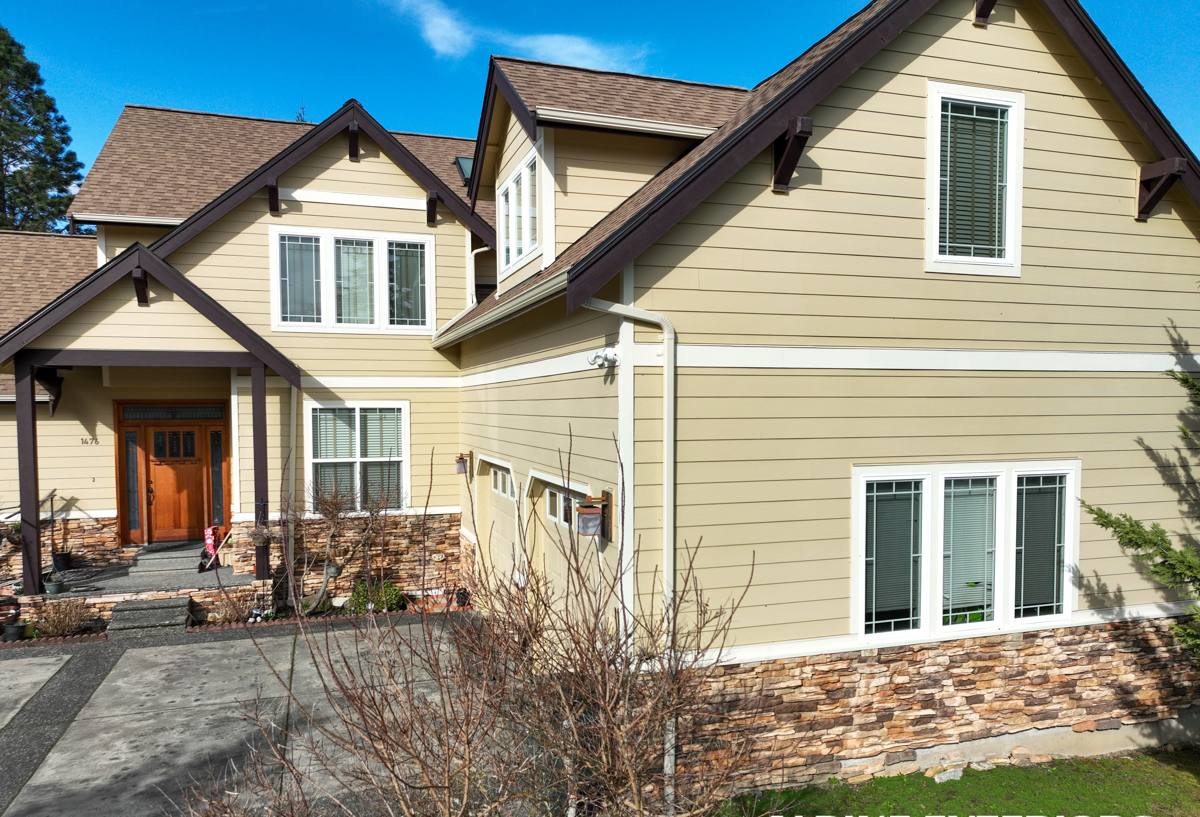
What Driving Rain and a Long Moss Season Actually Do
Whatcom County's marine-influenced weather brings long stretches of steady, driving rain rather than short, hard downpours. On an open roof that rain sheds and dries out between storms. On a shaded roof under fir and cedar canopy, needles and debris collect in valleys and behind chimneys, trap moisture against the shingle surface, and give moss spores exactly the damp, shaded seedbed they need. Once moss takes hold, it doesn't just look bad — it lifts shingle tabs as it grows, holds water against the roof deck, and accelerates granule loss.
A few things we see repeatedly on shaded, rural properties around Deming:
- Moss and algae streaking concentrated on the north-facing and shaded slopes, often years before the sun-exposed slopes show the same wear
- Needle and leaf buildup packed into valleys, around skylights, and against chimney flashing
- Soft or spongy decking discovered at tear-off, in spots where trapped moisture worked through failed flashing or old, brittle underlayment
- Gutters that fill faster than expected because of tree debris, backing water up under the shingle edge
None of this means asphalt shingles are a poor choice for a wooded lot — they're not. It means the installation has to account for the extra moisture load from day one, and the roof needs periodic attention that a sunnier, more open roof can sometimes skip.
What a Correct Asphalt Shingle Installation Involves
Asphalt shingles look like a simple product, but most roof failures we investigate trace back to something under the shingle, not the shingle itself. A correct installation for this climate includes:
Ice and water barrier where it matters
Self-adhering membrane at eaves, valleys, and around every penetration — chimneys, vents, skylights — gives you a second line of defense exactly where wind-driven rain and ice dams are most likely to force water backward under the shingle edge.
A synthetic underlayment built for extended exposure
Whatcom County's rainy season is long enough that the underlayment sometimes sits exposed longer than a manufacturer's short-term rating anticipates, whether due to weather delays or a phased project. We use underlayment rated for extended UV and weather exposure so a delay doesn't become a leak.
Flashing that's formed and sealed correctly, not just caulked
Step flashing at walls and chimneys, proper valley metal, and correctly lapped drip edge do the real work of shedding water. Caulk is a backup, not a substitute for correctly formed and layered flashing.
Nailing pattern and fastener count to the manufacturer's spec
Underdriven, overdriven, or misplaced nails are one of the most common causes of early shingle failure and wind blow-off — and they void the manufacturer's warranty even when the shingle itself is fine.
Balanced attic ventilation
Intake at the eaves and exhaust at the ridge, sized to move air through the entire attic space rather than just near the vents themselves. Covered below in more detail, because on shaded lots this is often the difference-maker.
Choosing a Shingle for a Shaded, Damp Lot
Every major shingle line today comes in a range of grades, and the right one for a wooded Deming lot isn't necessarily the cheapest option. Algae-resistant (AR) shingles — granules treated with a copper- or zinc-based compound — are worth the modest upgrade cost on a shaded roof, since they directly target the black streaking and algae growth that shows up fastest in low-light, high-moisture conditions.
| Shingle type | Typical lifespan | Best fit for Deming conditions |
|---|---|---|
| 3-tab (standard) | Shorter | Budget projects on outbuildings or low-visibility roofs; less wind and algae resistance |
| Architectural / laminate | Longer | Standard choice for most homes; better wind rating and a more dimensional look |
| Algae-resistant (AR) laminate | Longer | Recommended default for shaded, tree-covered lots — slows moss and algae staining |
| Class 4 impact-rated | Longer, plus impact durability | Worth discussing where falling branches or debris are a recurring concern |
We'll walk through the manufacturer options and warranty terms with you directly rather than push a single product — the right shingle depends on your roof's exposure, your budget, and how long you plan to stay in the home.
Ventilation and Moisture Control Matter More Here
A shaded roof deck dries out slower from above, which means it needs to dry effectively from below — through the attic. Poor attic ventilation traps warm, moist air against the underside of the roof deck, which can cause plywood delamination, premature shingle aging from underneath, and condensation that mimics a roof leak. On a sun-exposed roof this problem is often masked by daytime heat driving moisture out. On a shaded Deming roof, that natural drying assist is weaker, so the ventilation system has to do more of the work on its own. We check baffle placement, intake area at the soffit, and exhaust capacity at the ridge as a standard part of every shingle project — not an upsell.
Our Process
- On-site inspection. We walk the roof (or use a lift/drone where pitch or access requires it), check the attic from inside, and note existing moss, soft-deck areas, flashing condition, and ventilation setup.
- Written scope and estimate. You get a clear breakdown of what's being replaced, what underlayment and flashing package is included, and what shingle options fit your roof — no vague "and more" line items.
- Tear-off and deck inspection. Old material comes off down to the deck so we can actually see and address rot or soft spots, rather than roofing over a problem.
- Underlayment, flashing, and shingle installation to manufacturer spec, with ventilation corrected or upgraded as needed.
- Site cleanup and magnetic nail sweep, plus a final walk-through so you know exactly what was done and what warranty applies.
Maintenance Checklist for a Deming Roof
A well-installed shingle roof still needs periodic attention on a shaded, wooded lot. This is the short list we give homeowners in this area:
- Clear gutters and valleys of needles and leaf debris at least twice a year — more often under heavy fir or cedar cover
- Have moss growth treated and gently removed before it spreads across a slope, rather than after tabs start lifting
- Trim back branches that overhang the roofline to reduce shade, debris, and physical abrasion during wind
- Check attic insulation and ventilation if you notice condensation on nail tips or sheathing in winter
- Have flashing at chimneys, skylights, and walls inspected every few years, since these are the first points where a slow leak usually starts
Why It Matters That We Already Work in Deming
A crew that mostly works flat, open, in-town roofs in Lynden and treats a shaded Deming roof the same way will often under-spec the ventilation and skip the extra valley and debris-management detail that this setting actually needs. We size ventilation and flashing for the property in front of us, not a one-size template, and we tell you honestly when moss or shade patterns mean your roof will need more frequent maintenance than a neighbor's roof in a more open spot. That's not a sales pitch — it's the same conversation we'd want if it were our own roof.
Cost Factors to Expect
Every roof is different, and we'd rather give you an accurate, itemized number after inspection than a rough figure that doesn't hold up. In general, these are the factors that move the price up or down on a project like this:
| Factor | Effect on cost |
|---|---|
| Roof size and number of layers to tear off | Higher square footage and multiple existing layers increase labor and disposal cost |
| Roof pitch and access | Steep or hard-to-access roofs require more safety setup and time |
| Deck condition | Rotted or soft decking discovered at tear-off adds repair cost not visible from the ground |
| Shingle grade selected | Standard 3-tab costs less upfront than algae-resistant or impact-rated laminate |
| Ventilation upgrades | Adding proper intake/exhaust venting where none exists adds modest cost but pays off in roof life |
| Valley and flashing complexity | More valleys, chimneys, and penetrations mean more detail work and material |
If your roof is showing moss, dark streaking, or you just want an honest read on how many years it has left, we're happy to come take a look. The estimate is free, there's no pressure, and you'll get a straight answer either way — use the form below to get started.