 Lynden
 Roof Repair for Laurel Homes Near Lynden
Laurel is a quieter corner of the Lynden area, but the roofs here take the same beating as everywhere else in Whatcom County — and in some ways, more of it. Open farmland, fewer windbreaks, and long wet stretches off the water mean roofs in and around Laurel deal with driving rain, salt-laden air, and a moss season that can run most of the year. A roof that looks fine from the driveway can be hiding failed flashing, saturated underlayment, or moss roots working into the shingle mat. We repair roofs in this area regularly, and we've learned what actually needs attention here versus what's cosmetic.
This page is about roof repair specifically — not full tear-offs, not general roofing information. If your roof has a leak, a soft spot, missing shingles after a windstorm, or you're just not sure whether a repair will hold, this is what you need to know before you call anyone.
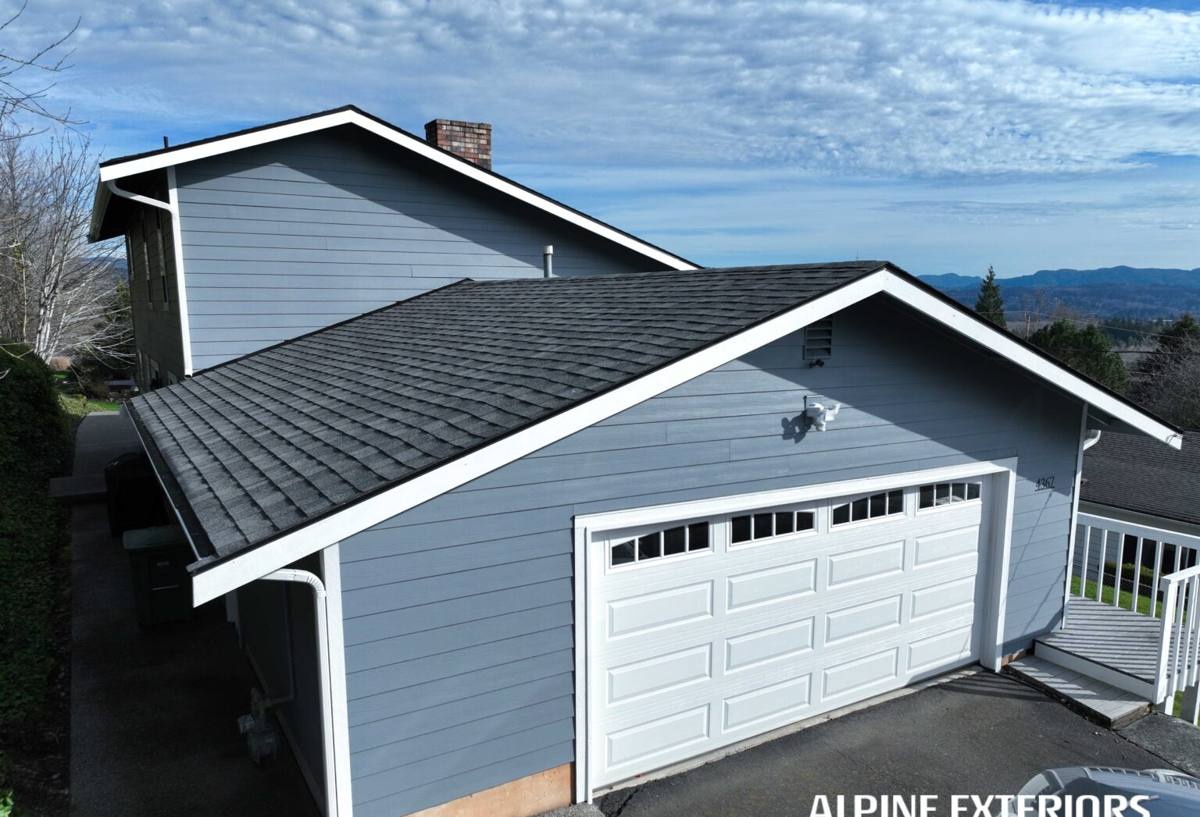
How Local Weather Wears Down a Roof
Whatcom County's climate is mild compared to a lot of the country, but "mild" doesn't mean easy on a roof. It's the combination of moisture, wind, and time that does the damage — not any single dramatic event.
Moss and Organic Growth
Moss doesn't just sit on top of shingles — it holds moisture against the roofing material and works its rhizoids into the granule layer and seams over time. On roofs with any shade or north-facing exposure, moss can establish within a couple of seasons and, left unchecked, lift shingle edges enough to let wind-driven rain underneath. This is one of the most common reasons we get called out to homes in the Laurel area that otherwise have a roof with plenty of life left.
Wind-Driven Rain
Rain that falls straight down is rarely the problem. Rain pushed sideways by wind is what finds the gaps — around chimneys, skylights, vent boots, and wherever flashing has started to separate or corrode. A roof can pass a casual visual check and still leak during a storm because the failure point only opens under wind pressure.
Salt Air and Metal Fatigue
Homes closer to the water deal with salt air that accelerates corrosion on exposed metal — flashing, fasteners, gutters, and vent caps. Corroded or thinning flashing is a common root cause of repair calls that homeowners assumed were shingle problems.
Freeze-Thaw Cycling
Whatcom County doesn't get deep freezes often, but it gets enough freeze-thaw swings each winter to stress any water that's already trapped under shingles or in damaged underlayment, widening small problems into bigger ones.
Common Repair Issues We See in the Laurel Area
- Moss buildup lifting shingle edges and holding moisture against the roof deck
- Cracked or corroded flashing around chimneys, skylights, and roof-to-wall transitions
- Damaged or missing vent boot seals, a frequent source of slow, hard-to-find leaks
- Wind-lifted or torn shingles after a storm, especially near roof edges and ridges
- Clogged or undersized gutters causing water to back up under the lower shingle courses
- Soft or discolored decking visible from the attic, indicating a leak has been active for a while
- Nail pops and granule loss from age and repeated wet-dry cycling
What a Correct Roof Repair Actually Involves
A repair that's done right isn't just patching the spot that's obviously leaking. Water rarely enters exactly where it shows up inside the house — it travels along the deck or underlayment first. That's why a proper repair starts with finding the real entry point, not the visible symptom.
Inspection Before Anything Else
We check the roof surface, the flashing details, the attic (where accessible), and the gutter and drainage path together. A leak that looks like a shingle problem is often a flashing or ventilation problem, and treating the wrong cause means the leak comes back.
Flashing and Underlayment
Flashing and underlayment do most of the actual waterproofing work on a roof — shingles are the first line of defense, but flashing is what stops water at the transitions. Any repair that skips replacing compromised flashing or underlayment is a temporary fix, not a real one.
Matching Materials Honestly
On an older roof, matching new shingles to weathered existing ones exactly isn't always possible. We'll tell you upfront what kind of match to expect and where a patch will be visible, rather than promising an invisible repair we can't deliver.
Moss and Debris Removal Done Carefully
Moss and debris need to come off before a repair is sealed, but pressure washing a roof surface can strip granules and shorten its life. We remove growth and debris by hand and with roof-safe methods, not high-pressure equipment.
Repair or Replace? Weighing the Real Cost Factors
Not every roof problem needs a full replacement, and not every roof is a good candidate for another round of patching. These are the factors that actually determine which makes sense, and roughly how they weigh in.
| Factor | Favors Repair | Favors Replacement |
|---|---|---|
| Age of roof | Under 15 years, most of the expected life remaining | Nearing or past the material's typical service life |
| Extent of damage | Isolated to one area (flashing, one slope, a vent boot) | Multiple leaks or widespread granule loss across the roof |
| Decking condition | Solid, dry decking under the damaged area | Soft, delaminated, or repeatedly wet decking |
| Moss history | First occurrence, caught early | Recurring, heavy moss with visible shingle lifting |
| Budget timing | Stretches remaining life while you plan ahead | Avoids paying for repeated repairs on a roof near end of life |
An honest contractor will tell you when a repair is the right call financially, even if a replacement would be the bigger job. We'd rather earn a repair customer's trust than push a replacement a roof doesn't need yet.
Our Process, Start to Finish
1. Assessment
We look at the whole roof, not just the spot you called about, and explain what we find in plain terms — what's urgent, what can wait, and what's just cosmetic.
2. Straightforward Estimate
You get a clear scope and price before any work starts. No pressure to upgrade the job beyond what the roof actually needs.
3. The Repair Itself
We address the actual cause — flashing, underlayment, decking, or shingles — not just the visible symptom, and we protect gutters and landscaping while we work.
4. Cleanup and Walkthrough
Job site cleared of debris and nails, and we walk you through exactly what was repaired and why, so you know what you paid for.
Why a Crew That Already Works Laurel Matters
Roofing crews that only pass through an area occasionally tend to treat every roof the same way, regardless of local conditions. A crew that regularly works the Laurel and greater Lynden area already knows which roof orientations tend to hold moss the longest, which flashing details fail first in this climate, and how local wind patterns during storms tend to lift shingles on exposed slopes. That local pattern recognition shortens the diagnostic process and helps avoid repairs that address the wrong problem.
It also matters for response time and accountability. A contractor based and working in this area is easier to reach if a repair needs a follow-up look, and has a reputation in the community worth protecting — not just a one-time job to close out.
A Homeowner's Roof Checklist Before You Call
A little information upfront helps us diagnose faster and give you a more accurate estimate over the phone or at the first visit.
- Note where the leak shows up inside the house, and whether it changes with wind direction
- Check the attic (if accessible) for staining, damp insulation, or daylight coming through the decking
- Look at the roof from the ground for obvious moss buildup, missing shingles, or damaged flashing
- Check gutters for standing water, sagging, or heavy moss and debris buildup
- Note roughly how old the roof is, or when it was last worked on, if you know
- Take photos of any visible damage or interior staining before it's cleaned up, in case they're useful for the estimate
Get a Free, No-Pressure Estimate
If you're dealing with a leak, storm damage, or a roof that just needs an honest second opinion, we're glad to take a look. Fill out the form below for a free estimate on roof repair for your Laurel-area home — no obligation, no upsell, just a straight assessment of what your roof actually needs.