 Lynden
 Roofing in Birch Bay Isn't the Same as Roofing Inland
Birch Bay sits right up against the water, and that changes what a roof has to deal with year after year. A shingle roof a few miles inland in Lynden or Everson faces plenty of Pacific Northwest rain, but a roof in Birch Bay adds salt-laden air, stronger and more constant wind off the water, and driving rain that hits siding and roof edges at an angle instead of falling straight down. None of that means a roof there is doomed to fail early. It means the installation details matter more, and the shortcuts that might get away with themselves on a sheltered inland lot show up faster on a coastal one.
This page is about one job in one place: asphalt shingle roofing for Birch Bay homes. We'll walk through what the local climate actually does to a shingle roof, what a correctly built roof includes to handle it, and how we approach the work.
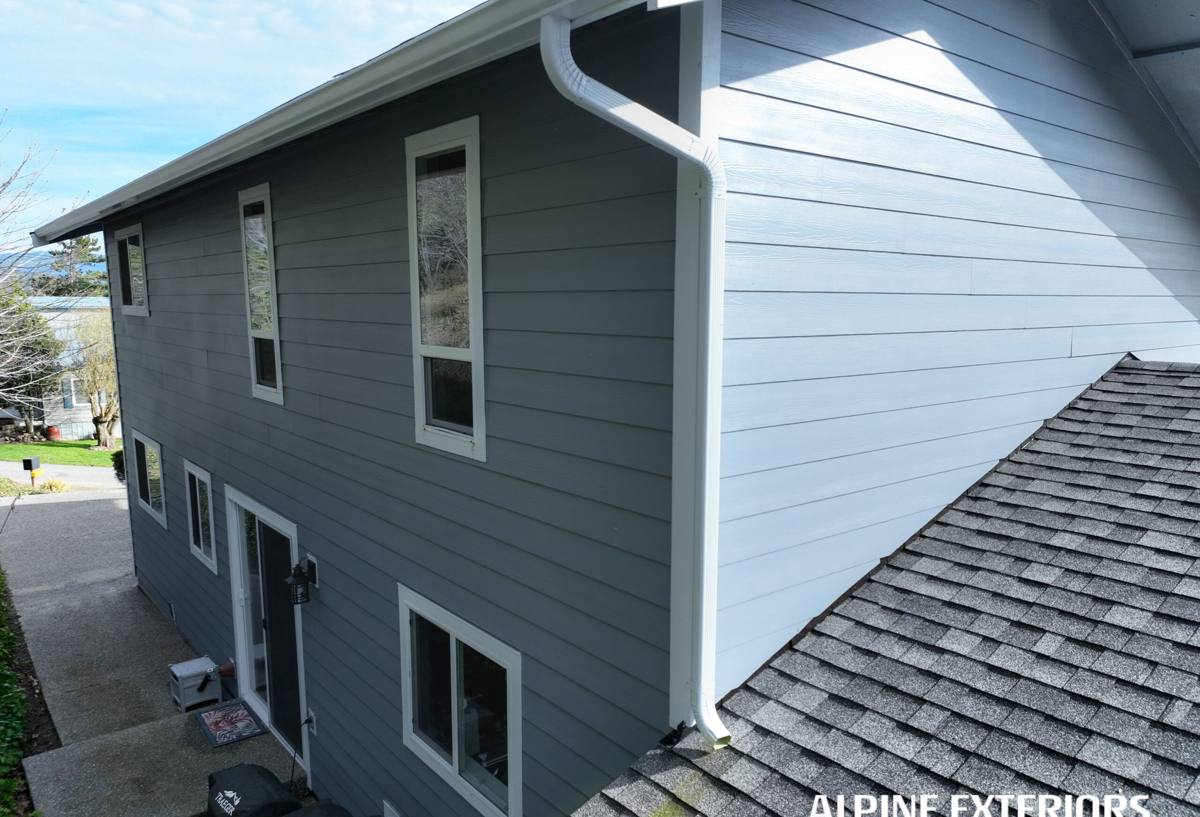
What Salt Air, Wind, and Rain Do to an Asphalt Shingle Roof
Fastener and Flashing Corrosion
Salt in the air accelerates corrosion on anything metal — nails, drip edge, step flashing, vent boots with metal collars. On an inland roof, a builder-grade fastener might go unnoticed for decades. Near the water, the same fastener can start rusting years sooner, and a rusted nail head or corroded flashing seam is exactly where a small leak starts. The fix isn't complicated, it's just a decision that has to be made up front: using corrosion-resistant fasteners and flashing rated for coastal exposure instead of whatever is cheapest at the supply house.
Granule Wear and UV/Salt Combination
Asphalt shingles rely on their granule layer to block UV and protect the asphalt underneath. Wind-driven rain and salt air both work against that layer a little faster than calm, dry conditions would. It's a slow process, not a dramatic one — but it's part of why we don't treat a Birch Bay roof and a sheltered inland roof as interchangeable jobs when we're picking materials and installation details.
Moss and Algae: Birch Bay's Long Wet Season
Why North-Facing and Shaded Slopes Struggle
Whatcom County's wet season runs long, and Birch Bay's marine air keeps roofs damp even on days it isn't actively raining. Moss and algae need moisture and shade to get established, and north-facing slopes, roof valleys, and areas under overhanging trees are the first places it shows up. Left alone, moss doesn't just look bad — it holds moisture against the shingle surface, works its way under shingle edges, and can lift tabs enough to let wind-driven rain in underneath.
Keeping Moss From Coming Back
Preventing moss is easier than removing it after it's established. That starts with keeping gutters and valleys clear so water actually moves off the roof instead of sitting, trimming back branches that shade the roof deck, and — where it fits the home — using shingles with algae-resistant granules. None of that eliminates moss risk entirely in a climate like this one, but it slows regrowth significantly compared to a roof with no prevention built in.
What a Properly Installed Shingle Roof Requires Here
Deck Inspection and Tear-Off
Every reroof starts with a full tear-off down to the deck, not an overlay. That's the only way to actually see the condition of the sheathing — soft spots, old water staining, or rot that's been hidden under the old shingles. In a coastal climate, skipping this step and building over a compromised deck just locks a problem under a new roof.
Underlayment and Ice-and-Water Barrier
A synthetic underlayment goes down as the roof's backup water barrier, with self-adhered ice-and-water membrane at the eaves, valleys, and any roof penetrations — the spots most exposed to wind-driven rain working its way under the shingle layer. This is standard practice for the region generally, but it matters more on a lot with direct exposure to Birch Bay wind off the water.
Ventilation That Matches the Climate
Balanced intake and exhaust ventilation keeps moisture from building up in the attic space, which protects the roof deck from the inside as well as the outside. In a marine climate with consistently high humidity, a poorly ventilated attic can undo a lot of the benefit of a good roofing job on the exterior.
Flashing and Fastener Choices for Coastal Exposure
As covered above, we don't use the same baseline fastener and flashing spec on a coastal Birch Bay roof that might be acceptable further inland. Corrosion-resistant materials at the flashing points and fastener choice cost a little more upfront and pay for themselves by not becoming the source of an early leak.
Signs Your Birch Bay Roof Needs Attention
A few things are worth checking on regularly, especially given the pace of wear a coastal roof sees:
- Granules collecting in gutters or at downspout outlets in noticeably larger amounts than in past years
- Visible moss or dark algae streaking on north-facing or shaded slopes
- Curling, cracked, or missing shingle tabs, especially after a windstorm
- Rust staining around vent boots, flashing, or exposed nail heads
- Soft spots, sagging, or staining on interior ceilings near exterior walls
- Daylight visible through the roof deck from inside the attic
Catching any of these early is almost always cheaper than waiting for a leak to show up inside the house.
What Affects the Cost of a Birch Bay Shingle Roof
Every roof is priced on its own specifics, but the same handful of factors drive most of the variation we see on Birch Bay jobs:
| Factor | Why It Matters |
|---|---|
| Roof pitch and complexity | Steeper roofs and more valleys, hips, and penetrations take more labor and material to flash correctly |
| Number of existing layers | Tear-off of multiple old layers adds disposal cost and labor time versus a single-layer tear-off |
| Deck condition | Rotten or soft sheathing found during tear-off needs to be replaced before new shingles go down |
| Access and site conditions | Tree cover, tight lot lines, and staging space near the water can affect setup and cleanup time |
| Shingle class chosen | Standard three-tab, architectural/laminate, and impact-resistant shingles carry different material costs |
| Ventilation upgrades | Adding or correcting intake/exhaust ventilation is sometimes needed on older homes and adds to scope |
We walk through each of these on-site before giving a number, so the estimate reflects your actual roof rather than a generic average.
Our Process, Start to Finish
We keep the process straightforward because a roof replacement is disruptive enough without added confusion:
- On-site inspection and honest assessment of whether repair or full replacement makes sense
- Written estimate that spells out materials, scope, and timeline
- Scheduling that accounts for Whatcom County's wet-season weather windows
- Full tear-off, deck inspection, and repair of any compromised sheathing before new material goes down
- Installation of underlayment, ice-and-water barrier, flashing, ventilation, and shingles to spec
- Site cleanup, including magnetic sweep for stray fasteners
- Final walkthrough so you can see the finished work before we consider the job done
Why a Local Lynden Crew Matters for Birch Bay Homes
We're based in Lynden and work throughout Whatcom County, including Birch Bay regularly enough that the coastal wear patterns aren't a surprise to us — we know to look for corrosion at the flashing points, moss on the shaded slopes, and wind damage patterns that differ from what we see on an inland roof. A crew that only occasionally works near the water can miss those details, or default to a spec that's fine inland but undersized for salt air and driving rain. Being local also means we're not driving a crew in from out of the area for warranty callbacks or a quick check after a windstorm — we're already working in the area.
Getting Your Roof Ready for the Next Wet Season
Whether your current roof needs a full replacement, or you're just not sure whether what you're seeing is normal wear or something that needs attention, an honest look at the roof is the right first step. We'd rather tell you a repair will hold for a few more years than sell you a replacement you don't need yet — and we'd rather flag a real problem now than let it turn into interior damage later.
If you'd like a straightforward, no-pressure look at your Birch Bay roof, use the form below to request a free estimate. We'll take a look, explain what we see in plain terms, and give you a written number to work from.