 Lynden
 Windows Built for Acme's Wet, Wooded Climate
Acme sits in the foothill country east of Lynden, tucked into the valleys that feed the Mount Baker Highway corridor. It's a different environment than the open flats closer to town: more tree cover, more shade, and more standing moisture through the fall and winter months. Homes here deal with long stretches of driving rain, high humidity that lingers under the canopy, and a moss season that can run from October well into spring. Windows take the brunt of that. Frames absorb moisture at the joints, sills collect standing water if the pitch is off, and single-pane or aging dual-pane units fog up, feel drafty, and let heating bills climb every winter.
Energy-efficient window replacement in this kind of setting isn't just about a lower utility bill, though that's real. It's about keeping water and cold air out of a wall assembly that, if it gets wet and stays wet, leads to rot, mold, and repair bills far bigger than the windows themselves. Whatcom County's damp, marine-influenced climate — the same weather system that brings the coast its salt air and driving storms — reaches inland to Acme in the form of near-constant humidity and heavy seasonal rain. A window job done right here has to account for both comfort and moisture management, not one or the other.
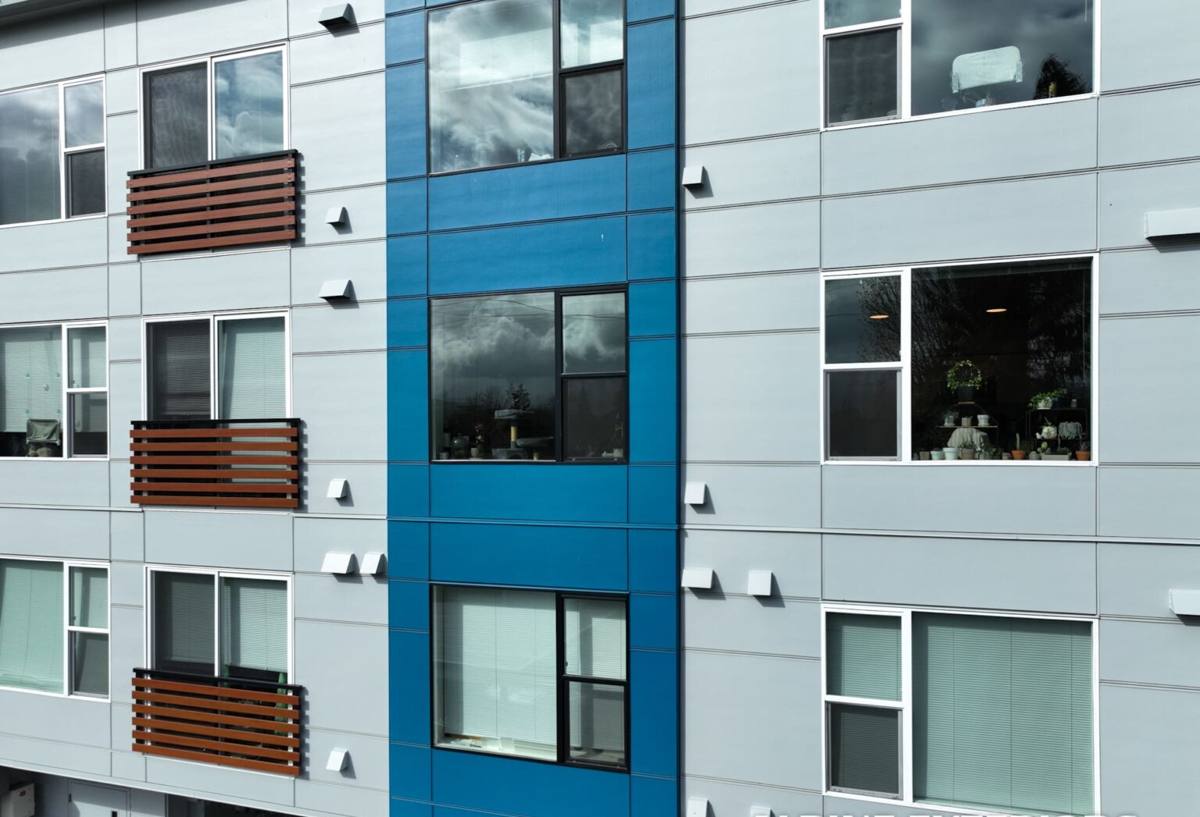
What Acme Homes Actually Need From Their Windows
Moisture Management First
Before we talk about glass performance or frame material, the first question for any Acme home is how water moves around the window opening. Wooded lots hold moisture longer than open ones — less sun exposure means slower drying after a storm. That means flashing details, sill pans, and drainage paths matter as much as the window unit itself. A high-efficiency window installed without proper flashing will still let water into the wall cavity, and in a shaded, damp property that water has little chance to dry out before the next rain arrives.
Thermal Performance for Valley Temperature Swings
Inland valley locations like Acme tend to run a few degrees cooler at night than the coast, and see more temperature swing between morning and afternoon. Older windows with poor seals let that swing show up indoors as cold drafts near the glass and condensation on cold mornings. A properly sealed, insulated window unit smooths that out considerably.
Standing Up to Moss and Organic Growth
Moss and algae don't just grow on roofs and siding — they take hold in window tracks, weep holes, and frame corners wherever debris and moisture collect under tree cover. Left unaddressed, that growth holds moisture against the frame material year-round, which shortens the life of wood components and can stain vinyl and fiber-cement trim. Window and frame choices, along with how tracks and weep systems are designed, make a real difference in how much upkeep this becomes.
Choosing the Right Window for This Setting
There's no single "best" window brand or material for every home — it depends on the home's exposure, existing frame condition, and budget. What we do have is a professional standard: we install products with proven weather-sealing performance, warranty structures that are actually honored, and installation methods that don't leave shortcuts in the flashing or insulation. We steer homeowners away from anything that trades long-term moisture performance for a lower sticker price, because in a climate like this one, that trade-off shows up in a wall cavity a few years later.
| Frame Material | How It Handles Moisture & Shade | Maintenance in This Climate |
|---|---|---|
| Vinyl (insulated, welded corners) | Good moisture resistance, no rot risk, but poor units can warp with temperature swings | Low — occasional track cleaning to prevent moss buildup |
| Fiberglass | Very stable in swinging temperatures, excellent seal retention over time | Low — durable finish resists moisture staining |
| Wood / wood-clad | Best appearance, but exterior wood faces are vulnerable in shaded, damp locations without diligent upkeep | Higher — needs regular inspection and refinishing |
| Aluminum | Durable but conducts cold, prone to interior condensation in valley temperature swings | Moderate — condensation management is the main issue |
Glass packages matter as much as frame material. In a heavily shaded, damp property, we typically recommend low-E coated, argon-filled dual-pane glass as the baseline, with warm-edge spacers that resist seal failure better than older aluminum spacers. Triple-pane can make sense for homes with west or north exposure that get little solar gain to offset heating costs, but it's not automatically the right call for every window on every wall.
What a Correct Installation Actually Involves
- Remove the old unit and inspect the rough opening for existing water damage or soft framing before anything new goes in
- Correct any sill pitch or rot issues found — never install over a compromised opening
- Install a sloped sill pan to direct any intrusion outward, not into the wall cavity
- Flash the opening in the correct shingle-lap order so water sheds down and out, never trapped behind the siding
- Set the window plumb, level, and square, then shim and fasten per manufacturer spec — not just "close enough"
- Seal and insulate the perimeter gap fully, avoiding gaps that create cold spots or airflow paths
- Finish exterior trim and caulking with materials rated for continuous damp exposure
- Test operation and drainage before calling the job complete
Skipping any one of these steps is how a brand-new, high-efficiency window ends up with the same moisture problems as the one it replaced — just with a nicer view.
Our Process for an Acme Job
1. On-Site Assessment
We walk the property and look at each window's exposure — how much shade it gets, how much rain it takes directly, and whether there's existing staining, soft wood, or moss buildup around the frame. This tells us whether we're looking at a straightforward like-for-like replacement or a job that needs additional flashing and moisture repair work first.
2. Honest Scope and Estimate
We explain what we're seeing, what it means for the work involved, and give a clear estimate before any work starts. If we find rot or water damage during the assessment, we tell you before we start, not after we've already opened up the wall.
3. Installation
Our crews follow the flashing and sealing sequence above on every unit, regardless of how many windows are on the job. We don't change our process for a one-window replacement versus a whole-house job — the water doesn't care how big the project is.
4. Final Walkthrough
We check operation, seals, and exterior finish work with you before we consider the job done, and we point out any maintenance items — like weep holes or tracks that will need periodic clearing given the tree cover on the property.
Why Local Experience in Acme Matters
Acme isn't a subdivision with uniform lot conditions — homes here range from open clearings to deep tree cover, and that changes what each window needs. A crew that's worked this area knows which exposures collect moss fastest, which older homes in the area tend to have outdated flashing details from prior renovations, and how the valley's temperature swings differ from what you'd plan for on a more open, coastal-facing property. That local pattern recognition means fewer surprises once a window is opened up and fewer callbacks for problems that should have been caught the first time.
It also means we're not guessing at code requirements or typical construction details for this part of Whatcom County — we're applying what we've already seen work, and avoided, on homes with the same climate exposure as yours.
Signs It's Time to Replace, Not Just Repair
- Fogging or moisture trapped between panes — the seal has failed and can't be restored
- Visible soft wood, staining, or moss growth at the frame corners or sill
- Drafts you can feel near the glass even with the window closed and locked
- Windows that stick, won't stay open, or won't latch properly — a sign the frame has shifted or swollen
- Noticeably higher heating bills without another explanation
- Condensation forming on the interior glass regularly during cold mornings
Any one of these on its own might be a minor fix. Several together, especially on a shaded or heavily exposed wall, usually mean the window and its surrounding flashing have reached the end of their useful life.
Get a Straightforward Look at Your Windows
If you're dealing with drafty, foggy, or moss-stained windows on your Acme property, we're happy to come take a look and give you an honest read on what's going on — no pressure, no inflated scope. Fill out the form below for a free estimate, and we'll walk the property with you and explain exactly what we see and what we'd recommend.