 Lynden
 Why Roofs Take a Beating Around Wiser Lake
Homes around Wiser Lake sit in one of the wetter, more tree-shaded pockets of Whatcom County, and that combination is hard on a roof in ways that don't always show up right away. Salt-tinged air moving in off the Sound corrodes exposed fasteners and metal flashing faster than it does further inland. Driving rain, pushed sideways by wind off the lake and open farmland, finds its way under poorly lapped shingles and undersized flashing long before a roof looks "done." And the tree cover that makes these lots so pleasant to live on also means shade, damp debris, and a moss season that can run most of the year in a wet stretch.
None of that means a roof here has to fail early. It means the installation has to be done correctly for this specific environment, not just to a generic code minimum. That's the difference between a roof that looks fine for a few years and one that actually holds up through a Lynden winter.
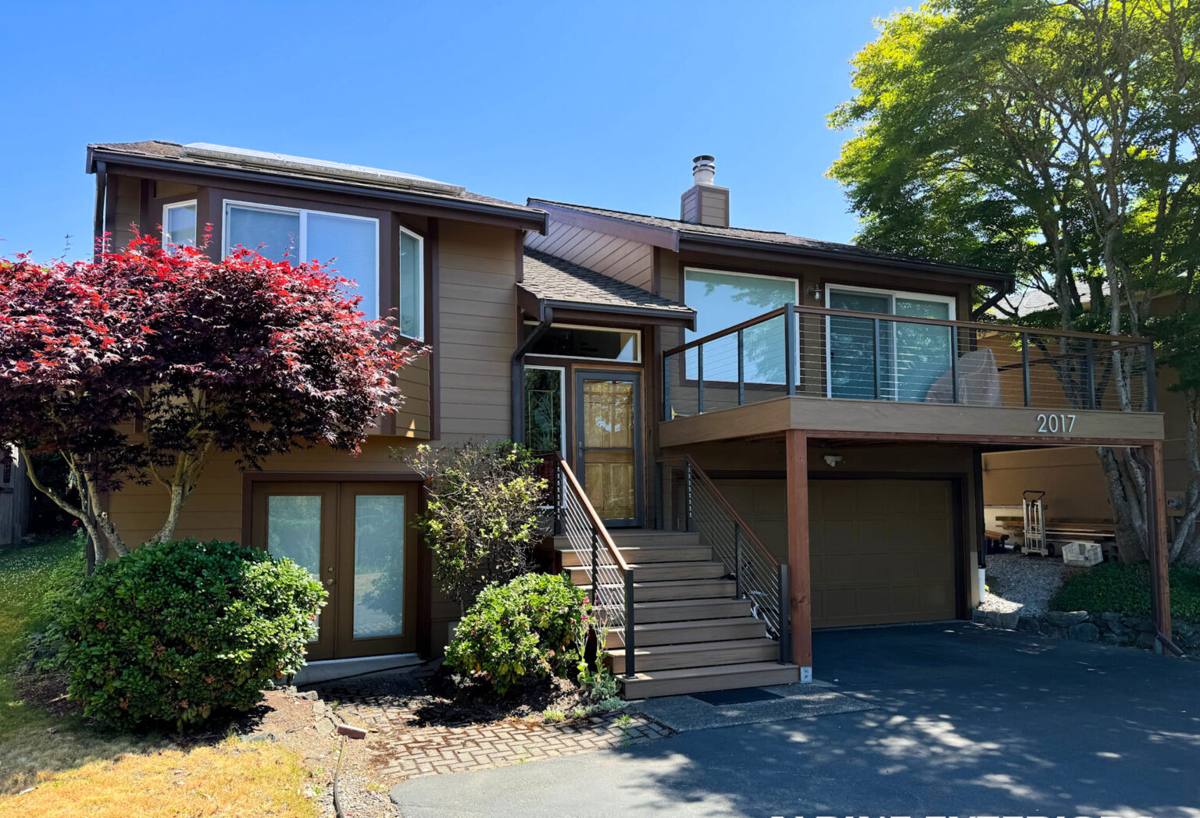
Signs It's Time for a New Roof, Not Another Repair
A lot of Wiser Lake homeowners call us after a leak, but the leak is usually the last sign, not the first. By the time water is visibly coming through, the underlayment and decking underneath have often been wet for a while. Earlier signs worth acting on include:
- Granules collecting in gutters or at downspout outlets, showing the shingle surface is wearing away
- Shingles that are curling, cracking, or lifting at the edges, especially on the side of the roof that takes the most wind-driven rain
- Dark streaking or thick moss growth on shaded slopes, particularly under overhanging trees
- Soft or spongy decking felt underfoot during an inspection, a sign moisture has already reached the wood
- Daylight visible through the attic roof boards, or damp insulation below the roofline
- A roof pushing 20-25 years old on standard asphalt shingles, even if it looks okay from the ground
If you're seeing more than one of these, a proper inspection is worth doing before you spend money patching a roof that's telling you it's done.
What a Correct New Roof Installation Actually Involves
Tear-Off and Deck Inspection
We remove the old roofing down to the deck rather than layering over it. That's the only way to actually see what's underneath — soft spots, rot around old penetrations, or decking that's delaminated from years of moisture. Any damaged sheathing gets replaced before anything new goes down. Installing new shingles over a compromised deck just hides the problem for a while; it doesn't fix it.
Underlayment and Ice-and-Water Protection
Given how much rain this area gets, underlayment isn't a place to cut corners. We use synthetic underlayment across the full roof for its tear resistance and water repellency, with self-adhering ice-and-water membrane along eaves, valleys, and around penetrations — the spots where wind-driven rain and standing water cause the most trouble.
Flashing Details
Flashing is where most roof leaks around here actually start, not in the field of the shingles. Step flashing at wall intersections, proper counterflashing at chimneys, and correctly lapped valley metal all matter more in a climate with regular sideways rain than they would somewhere drier. We install new flashing rather than reusing old, corroded pieces, since salt air and years of moisture cycling take a real toll on metal.
Ventilation
A new roof is also a chance to correct attic ventilation that's often undersized on older homes. Balanced intake and exhaust ventilation keeps moisture from condensing under the deck in winter and helps shingles run cooler and last longer — details covered further below.
Choosing the Right Roofing Material
There's no single "best" roofing material for every Wiser Lake home — it depends on your roof's exposure, slope, tree cover, and budget. Here's how the common options compare for this climate:
| Material | Moss/Moisture Resistance | Wind-Driven Rain Performance | Typical Lifespan |
|---|---|---|---|
| Architectural (laminate) asphalt shingles | Good, especially with algae-resistant granules | Strong when properly flashed and fastened | 25-30 years |
| 3-tab asphalt shingles | Fair; more prone to early wear in shaded, damp areas | Adequate but less wind resistance than architectural | 15-20 years |
| Standing seam metal | Excellent; sheds moss and debris well on steeper slopes | Very strong with correctly detailed seams | 40-60 years |
| Synthetic/composite shingles | Good; resists moisture absorption | Strong, similar to architectural asphalt | 30-50 years |
For heavily shaded lots close to the lake or tree lines, we often steer homeowners toward architectural shingles with algae-resistant granules or, on steeper roofs, standing seam metal — both shed moss and debris better than flat 3-tab shingles. That said, the right call depends on your roof's pitch, sun exposure, and how the rest of your exterior is finished, which we'll walk through during your estimate.
Our Process for Wiser Lake Homeowners
Every roof gets a plan built around its specific site, not a one-size-fits-all install:
- On-site inspection and estimate. We walk the roof, check the attic for existing ventilation and moisture issues, and note tree cover, drainage patterns, and any trouble spots specific to your lot.
- Material selection. We go over the tradeoffs in plain terms — cost, lifespan, moss resistance, and how the material will hold up given your roof's shade and exposure.
- Scheduling around the weather. Roof tear-offs need a dry work window. We schedule with Whatcom County's rain patterns in mind and won't leave a roof exposed overnight if it can be avoided.
- Tear-off, deck repair, and installation. Old roofing comes off, the deck gets inspected and repaired as needed, and new underlayment, flashing, ventilation, and roofing go on in that order.
- Final walkthrough. We check flashing, ridge and soffit ventilation, and cleanup — including a magnetic sweep for stray nails around the property.
Moss, Algae, and the Long Wet Season
Moss doesn't just sit on top of shingles — over time it holds moisture against the roof surface, lifts shingle edges, and works its way toward the decking. On shaded Wiser Lake lots with tree cover overhead, moss can become a year-round maintenance item rather than a seasonal one. A correct installation reduces the problem, but it doesn't eliminate the need for upkeep. We recommend homeowners plan for:
- Trimming overhanging branches back to let more light and air reach the roof
- Keeping gutters and valleys clear of needles and leaf debris, especially heading into fall
- Gentle moss removal (never pressure washing, which strips granules) rather than letting it build up over multiple seasons
- Zinc or copper strips near the ridge on moss-prone slopes, which help suppress regrowth over time
- An annual look at flashing and penetrations, since that's where trapped moisture does the most damage
Why Local Experience Matters for This Job
A roofing crew that only occasionally works in this part of Whatcom County can install a technically code-compliant roof and still miss the details that matter here — how much ice-and-water membrane a shaded valley actually needs, which flashing details hold up against salt-tinged wind, or how much ventilation a tree-covered attic needs to avoid trapped moisture. Crews that work Wiser Lake and the surrounding Lynden area regularly see how roofs in this specific microclimate age over time, and build accordingly instead of guessing.
Cost Factors to Expect
Every roof is priced individually after an on-site look, but the main factors that move the number are consistent:
| Factor | Why It Matters |
|---|---|
| Roof size and number of planes | More material, flashing, and labor hours |
| Pitch and accessibility | Steeper or harder-to-reach roofs take longer and require more safety setup |
| Existing deck condition | Rotted or delaminated sheathing needs replacement before new roofing goes on |
| Material choice | Asphalt, metal, and synthetic options carry different upfront costs and lifespans |
| Ventilation upgrades | Adding proper intake/exhaust venting on an older home adds labor but pays off long-term |
| Tear-off complexity | Multiple existing layers or extensive moss buildup add disposal and labor time |
We'd rather walk your roof and give you real numbers than throw out a broad range that doesn't mean much for your specific home.
Get a Straightforward Estimate
If your roof is showing its age, or you just want an honest read on how many years it has left, we're happy to come out and take a look. There's no pressure and no sales script — just a clear assessment of what your roof needs and what a correct installation would involve for your home near Wiser Lake. Use the form below to request a free estimate.