 Lynden
 Nooksack Homes Face a Different Kind of Wear
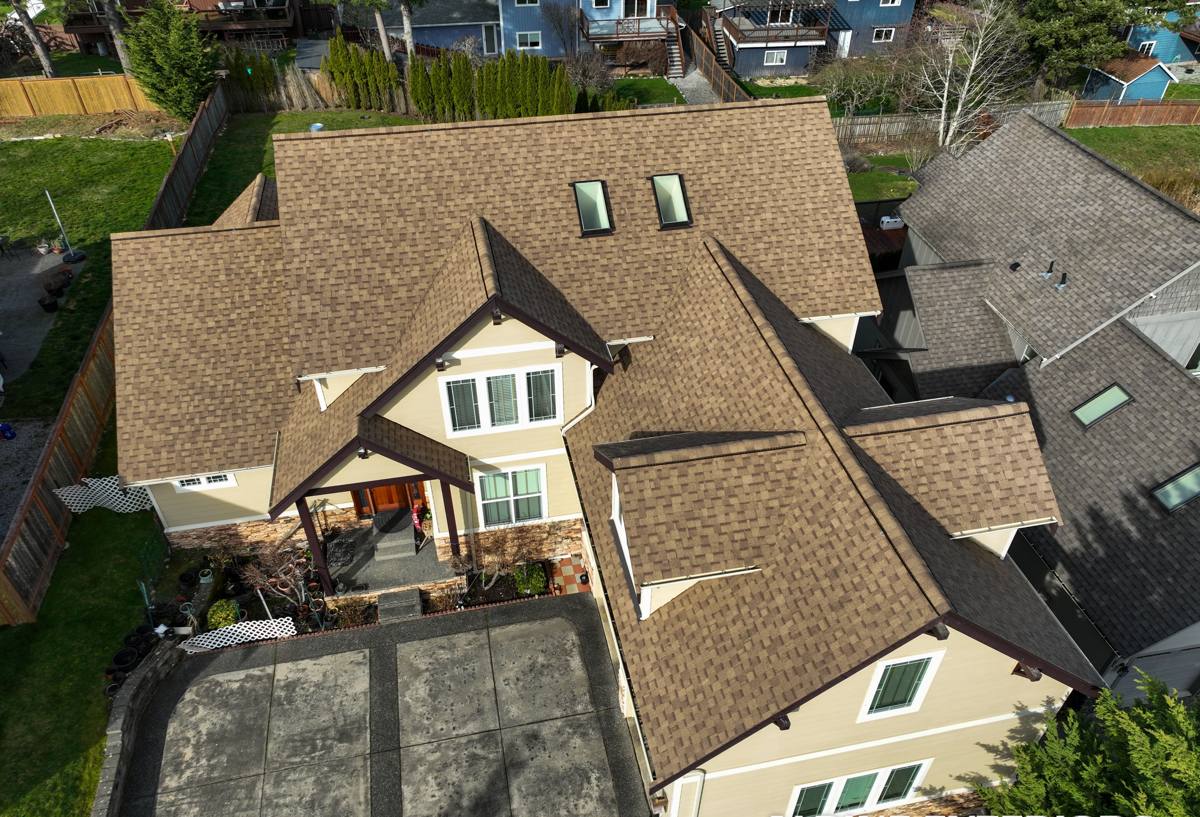
Nooksack sits in the river valley just outside Lynden, in one of the wetter, windier corners of Whatcom County. A lot of the housing stock out here is a mix of older farmhouses on open agricultural lots and newer homes built in the last few decades, and both types share a common problem: fewer windbreaks than you'd find on a tighter in-town lot. Fields, pasture, and open river bottom don't slow the wind or rain down the way a row of neighboring houses or mature street trees would. That means the windows on a Nooksack home are doing more work than the same windows would on a sheltered lot ten minutes away in downtown Lynden.
Custom windows — sized and built to fit an opening exactly, rather than forced into a stock size — matter more here than in a lot of places, because a loose or mismatched fit is exactly where water and wind find their way in. Getting this right isn't just about appearance. It's about keeping moisture out of the wall assembly for the next twenty or thirty years.
What the Local Climate Does to Ordinary Windows
Chronic Moisture and Moss
Whatcom County doesn't get dramatic weather so much as relentless weather — long stretches of drizzle, overcast skies, and damp air for much of the year. North- and west-facing walls in particular stay shaded and damp longer after a storm, which is exactly the environment moss and mildew like. On windows, that shows up as green growth in corners, in the weep holes, and along sills where water sits instead of draining. Once moss or algae gets a foothold on a sill or frame, it holds moisture against the material around the clock, which accelerates rot in wood components and breaks down sealants faster than manufacturers rate them for.
Wind-Driven Rain
Whatcom County, and the Nooksack-to-Sumas corridor specifically, is known for outflow winds that funnel down through the Fraser Valley gap in the fall and winter. When those winds show up alongside rain, water doesn't just fall on a window — it gets pushed sideways and upward into gaps that would never see moisture in calmer weather. A window that's watertight in a gentle rain can still leak under wind-driven conditions if the flashing and drainage details weren't done correctly at install. This is one of the biggest reasons two windows that look identical can perform completely differently over time — the difference is almost always in what's hidden behind the trim.
Freeze-Thaw and Seasonal Movement
Whatcom County winters aren't brutally cold, but they do swing — clear, frosty nights followed by wet, mild days, sometimes within the same week. That freeze-thaw cycling stresses caulk lines, gaskets, and any wood trim around a window opening. Materials expand and contract, seals that were marginal to begin with crack a little more each cycle, and small gaps widen year over year until they're an obvious draft or a visible stain on the interior sill.
What a Correct Custom Window Installation Actually Involves
Flashing and Water Management First
The window itself is rarely where a leak starts. It's almost always the flashing — the layered barrier of house wrap, flashing tape, and sill pan that directs any water that gets past the window back out of the wall instead of into it. A correct install builds this water management system before the window ever goes in the opening, with a sloped sill pan so water can't pool, and flashing layered shingle-style (top piece overlapping the one below it) so gravity does the work of shedding water outward.
Air Sealing and Insulation
Once the window is set, the gap between the frame and the rough opening needs to be sealed and insulated correctly — not overpacked with expanding foam, which can bow a frame out of square, and not left loose, which lets air and moisture through. Backer rod and a quality sealant around the exterior perimeter, paired with low-expansion foam or fiberglass insulation in the gap, keeps the opening both airtight and able to handle a little natural movement without cracking.
Matching the Opening, Not Just the Glass
"Custom" means the window is built or ordered to the actual dimensions of your opening, not the nearest stock size with shims and extra caulk filling the difference. On older Nooksack-area homes especially, openings are rarely perfectly square after decades of settling, so an accurate on-site measurement — not a catalog guess — is what keeps the finished install tight on all four sides.
Frame Material Options for This Climate
There's no single "best" window material for every home — the right choice depends on your home's style, your budget, and how much upkeep you want to take on. Here's how the common options hold up under Whatcom County's wet, windy conditions:
| Material | Moisture Resistance | Maintenance | Best Fit |
|---|---|---|---|
| Vinyl | Very good — won't rot, warp, or corrode | Low; occasional cleaning | Most homes wanting a durable, budget-friendly option |
| Fiberglass | Excellent — dimensionally stable in temperature swings | Low | Larger openings, homes wanting long-term stability |
| Wood-clad | Good on the exterior clad face; interior wood needs protection from condensation | Higher; finish upkeep on interior wood | Homes prioritizing a traditional wood interior look |
| Aluminum | Fair; prone to condensation and heat loss without thermal breaks | Moderate | Limited use; generally not our first recommendation for this climate |
Our default recommendation for most Nooksack homes is vinyl or fiberglass, simply because they shrug off the damp, don't need repainting, and hold their seal through repeated wet-dry and freeze-thaw cycles better than materials that depend on a finish to stay protected.
Our Process for a Custom Window Project
- On-site assessment — we measure every opening individually and check the existing flashing, sill, and framing for rot or prior water damage before quoting anything.
- Product and style selection — we walk through material, glass, and style options based on your home's construction and your budget, without pushing a single brand as the only answer.
- Ordering and scheduling — custom units are built to your exact openings, so lead times vary by manufacturer; we'll give you an honest timeline up front.
- Removal and opening prep — old windows come out carefully, and we inspect and repair the framing and sheathing underneath before anything new goes in.
- Flashing and installation — sill pan, flashing, and the window itself go in per manufacturer specs, built for wind-driven rain, not just a light shower.
- Sealing, insulation, and trim — interior and exterior finish work to match your home, with air sealing done correctly the first time.
- Final walkthrough — we test operation, check seals, and go over care and warranty details before we consider the job done.
What Affects the Cost of Custom Windows
| Factor | Why It Matters |
|---|---|
| Number and size of openings | More or larger windows means more material and labor |
| Frame material | Vinyl generally costs less upfront than fiberglass or wood-clad |
| Glass package | Double-pane vs. triple-pane, and low-E coatings, change both cost and performance |
| Condition of the opening | Rot repair or reframing adds labor beyond a straightforward swap |
| Access and site conditions | Second-story or hard-to-reach openings take more time and equipment |
| Trim and finish work | Matching existing interior/exterior trim profiles adds detail work |
We give straightforward, itemized estimates so you can see exactly what you're paying for — not a lump number with no explanation behind it.
Signs Your Current Windows Are Already Losing the Battle
- Green or black growth building up in corners, tracks, or weep holes
- Fogging or moisture trapped between panes (a sign the seal has failed)
- Soft or discolored wood on the interior sill or exterior trim
- A noticeable draft near the frame on windy days
- Windows that are difficult to open, close, or latch fully
- Peeling paint or bubbling finish on the interior sill
- Rising energy bills without a clear explanation elsewhere
Any one of these on its own might be minor. Two or three together, especially on a wall that takes the brunt of the weather, usually means it's time for a real inspection rather than another round of caulk.
Why Hiring a Crew That Already Works in Nooksack Matters
A lot of window problems in this area trace back to installers who treat every job the same way regardless of where it is — using flashing details built for a mild, sheltered climate on a home that's fully exposed to Fraser Valley outflow winds and months of steady rain. A crew that already works Nooksack and Lynden regularly has seen how local homes actually hold up over time: which walls take the worst of the wind, where moss shows up first, and how older farmhouse framing differs from newer construction. That local pattern recognition shows up in better decisions during the install, not just a nicer sales pitch beforehand.
Being nearby also means something practical after the job is done. If a question comes up in year three about a seal or a drainage detail, you're not waiting on a crew that has to drive in from out of the area or squeeze you into a route built around other towns. We're already working in this part of Whatcom County, so a warranty call or a follow-up question doesn't turn into a scheduling headache.
If your windows are showing their age, or you're planning new construction or a remodel in the Nooksack area, we're happy to take a look and give you a straightforward, no-pressure estimate. Use the form below to get started.