 Lynden
 New Roofs Built for Kendall's Weather, Not a Catalog Average
Kendall sits in the stretch of Whatcom County where the terrain starts climbing toward the foothills, and that shift matters more than most homeowners realize when it comes to roofing. You get the same driving rain and long wet season as the rest of the Lynden area, but often with a bit more shade cover from surrounding trees and a bit more exposure to shifting wind patterns as storms move up from the valley. That combination is exactly what accelerates moss growth, holds moisture against a roof deck longer, and wears out a poorly installed roof years before its time. A new roof here isn't a one-size-fits-all product pulled off a shelf. It's a system that has to be matched to how water, wind, and organic growth actually behave on a Kendall lot.
We install new roofs across Whatcom County, but we treat Kendall jobs with the same local read every time: how much shade does the roof get through the day, which slopes will hold moisture the longest, and what ventilation the attic actually needs given the site. Homes tucked closer to tree lines need different moss-prevention and airflow decisions than homes out in the open. Getting that read right at the start is what separates a roof that looks fine for five years from one that performs for its full warranty life.
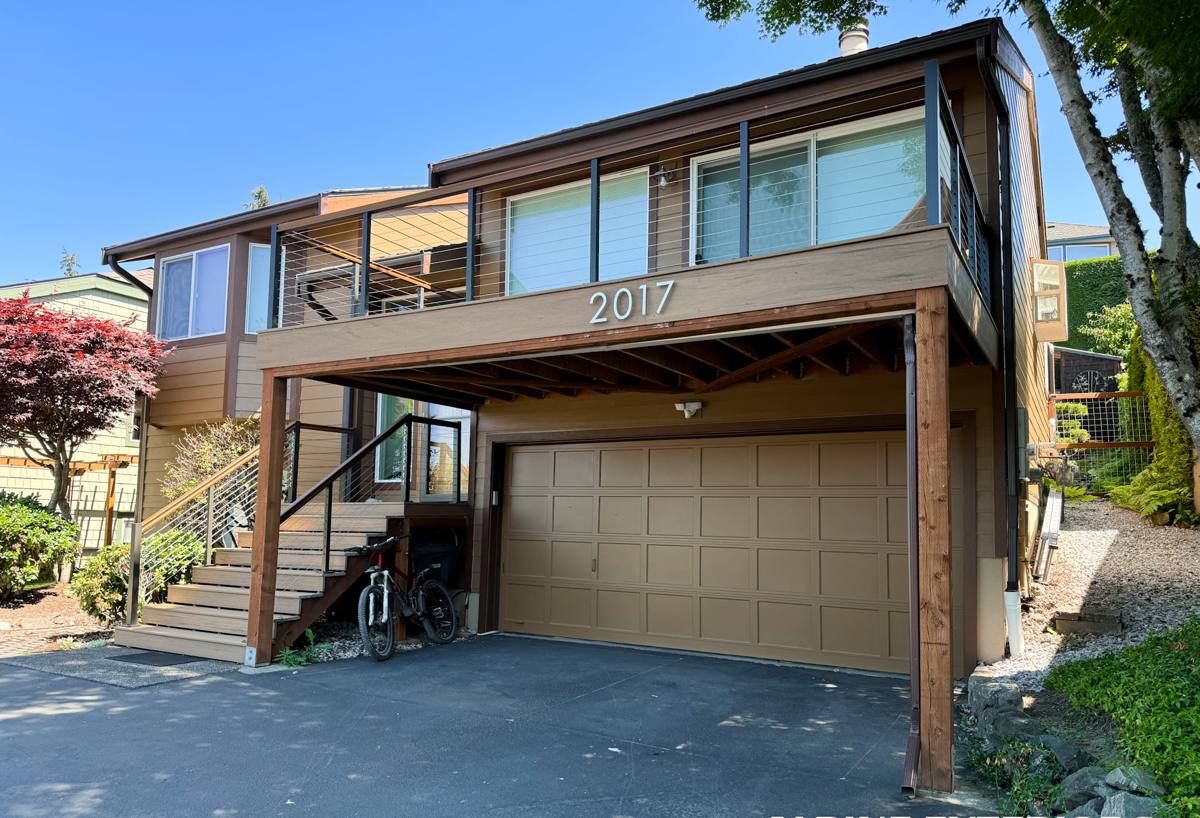
What Salt Air, Driving Rain, and Moss Season Actually Do to a Roof
It's worth being specific about the damage mechanisms, because they drive every decision in a correct installation.
Moisture Intrusion from Driving Rain
Whatcom County storms don't just drop rain straight down — wind pushes it sideways and up under shingle edges, around penetrations, and into any gap in the underlayment or flashing. A roof built for a drier climate, with minimal underlayment coverage and basic flashing details, will leak here eventually. It's not a matter of if, it's when.
Moss and Organic Growth
Long wet seasons and shaded roof sections give moss and moss-forming algae exactly what they need: sustained moisture and low sun exposure. Left unchecked, moss doesn't just look bad — it lifts shingle edges, holds water against the roof surface, and accelerates granule loss. Once moss gets a foothold under shingles, you're looking at a repair, not a cleaning.
Salt Air Exposure
Even inland from the coast, this region gets enough salt-laden air moving through on weather systems to accelerate corrosion on unprotected metal — fasteners, flashing, vents, and drip edge. Standard-grade fasteners and flashing that would be fine in a dry inland climate can start showing rust and pitting years ahead of schedule here.
Freeze-Thaw and Temperature Swings
Whatcom County doesn't get brutal winters, but it does get enough freeze-thaw cycling on cold, wet roofs to stress materials that weren't installed with proper expansion allowances, particularly around flashing and metal edges.
What a Correctly Installed Roof Includes
A new roof installation done right for this climate is a stack of decisions, not just a shingle color. Here's what we consider non-negotiable on a Kendall project:
- Full tear-off and deck inspection — we don't install new roofing over old layers or over a deck we haven't personally inspected for rot, soft spots, or prior water damage.
- Ice-and-water shield at vulnerable zones — valleys, eaves, and any low-slope transitions get self-adhering waterproof membrane, not just standard felt.
- Synthetic underlayment across the full roof — better wind and moisture resistance than old-style felt, and it holds up longer during the install itself if weather moves in.
- Corrosion-resistant fasteners and flashing — matched to the salt-air exposure this area sees, not the cheapest option that meets minimum code.
- Balanced attic ventilation — intake and exhaust sized to the actual attic volume, which controls moisture buildup from the inside and extends shingle life from underneath.
- Proper valley, penetration, and step flashing details — this is where the vast majority of roof leaks actually originate, not in the field of the shingles themselves.
- Moss-resistant material choices where appropriate — for heavily shaded sections, we'll talk through options that hold up better against sustained moisture and organic growth.
Choosing the Right Roofing Material for a Kendall Home
There's no single "best" roofing material — the right choice depends on your home's exposure, budget, and how much shade the roof sits under. Here's an honest comparison of the main options we install:
| Material | Typical Lifespan | Moss Resistance | Best Fit |
|---|---|---|---|
| Architectural asphalt shingles | 25–30 years | Good, with proper granule/algae-resistant options | Most homes; best balance of cost and performance |
| Standing seam metal | 40–50+ years | Excellent — sheds moss and debris well | Steeper roofs, shaded lots, long-term owners |
| Synthetic/composite shakes | 30–40 years | Good | Homes wanting a cedar look without cedar's moisture upkeep |
| Cedar shake | 20–30 years with upkeep | Poor in shaded, wet conditions without regular treatment | Owners committed to ongoing maintenance for the look |
For heavily shaded Kendall properties, we'll often steer the conversation toward architectural shingles with algae-resistant granules or standing seam metal, simply because they hold up with far less maintenance in a low-sun, high-moisture spot. That's a maintenance and moisture-behavior recommendation, not a knock on any product — cedar shake can look great, it just demands more upkeep in this specific kind of setting.
Our Process, Start to Finish
1. On-Site Assessment
We walk the roof and attic in person. We're looking at slope, shade exposure, existing ventilation, deck condition where visible, and any signs of past leaks or moss damage.
2. Written Scope and Material Plan
You get a clear, itemized plan — tear-off scope, underlayment and flashing details, material choice, and ventilation plan — before any work starts. No vague allowances.
3. Tear-Off and Deck Repair
Full removal of the old roofing, deck inspected board by board, and any rot or soft spots replaced before anything new goes down.
4. Waterproofing and Underlayment
Ice-and-water membrane at valleys and eaves, synthetic underlayment across the field, all flashing installed or replaced to current best practice.
5. Roofing Installation
Material installed to manufacturer spec and local wind/moisture conditions, with attention to nailing pattern, exposure, and detail work around every penetration.
6. Final Walkthrough
We walk the finished roof with you, review what was done, and go over any maintenance basics specific to your material and site.
Why a Crew That Already Works Kendall Makes a Difference
Roofing crews that work all over Western Washington tend to install to a generic standard — code minimums, whatever underlayment is cheapest, standard fasteners. That's not necessarily bad work, but it's not calibrated to a specific site. A crew that regularly works Kendall and the surrounding Lynden area already knows which streets sit in heavier shade, which lots see the worst wind-driven rain, and which roof lines tend to hold moss longest. That local pattern recognition shows up in small decisions — where we add extra underlayment coverage, how we detail a valley, whether we push harder on ventilation — that add years to a roof's service life without adding much to the bill.
It also matters for accountability. A local crew is easy to reach if a question comes up two years after the install, and we have a direct, ongoing interest in every roof we put on in this area holding up and holding our reputation with it.
Signs Your Current Roof Needs Replacement, Not Repair
- Granule loss heavy enough that you're finding grit in gutters and downspouts every season
- Moss established under shingle edges, not just sitting on the surface
- Multiple past repairs in different areas of the same roof
- Visible sagging in the roof deck or soft spots when walked
- Shingles curling, cracking, or losing their seal at the tabs
- Daylight visible through the roof deck from inside the attic
- Roof is at or past the manufacturer's rated lifespan for its material
If you're only seeing one or two of these and the roof is otherwise sound, a repair may still make sense. We'll tell you honestly which category your roof falls into rather than push a full replacement you don't need yet.
What Affects the Cost of a New Roof
Every roof is priced on its own specifics, but the factors that move the number are consistent:
- Roof size and complexity — number of valleys, penetrations, and roof planes
- Pitch — steeper roofs take longer and require more safety setup
- Deck condition — hidden rot or soft decking found during tear-off adds material and labor
- Material choice — architectural shingles, metal, and synthetic shakes carry different price points
- Ventilation upgrades — adding or correcting intake/exhaust venting where the existing setup is inadequate
- Access — tree cover, tight lot access, or difficult staging can affect labor time
We give you the real number after seeing the roof in person, not a phone estimate that changes once we're on the ladder.
Get an Honest Look at Your Roof
If you're in Kendall or anywhere around Lynden and wondering whether your roof needs a full replacement, a repair, or just a closer eye over the next year or two, we're glad to come take a look. The estimate is free, there's no pressure, and you'll get a straight answer about what your roof actually needs — fill out the form below to get started.