 Lynden
 Custer's Climate Is Harder on Windows Than the Spec Sheet Admits
Custer sits close enough to the water that homes here deal with a different mix of weather than you'd find further inland in Whatcom County. Salt-laden marine air, wind-driven rain that hits window frames sideways instead of straight down, and a wet season that stretches long enough to grow moss on nearly anything that holds moisture — all of it works against a window's seals, frame, and hardware year-round, not just during storms.
Most window failures we see in this area aren't dramatic. They're slow: a frame that swells and sticks, a corner seal that lets in a draft nobody notices until the heating bill goes up, condensation between panes that means the seal already failed months earlier. By the time it's obvious, the damage usually extends past the window itself into the surrounding trim and wall framing.
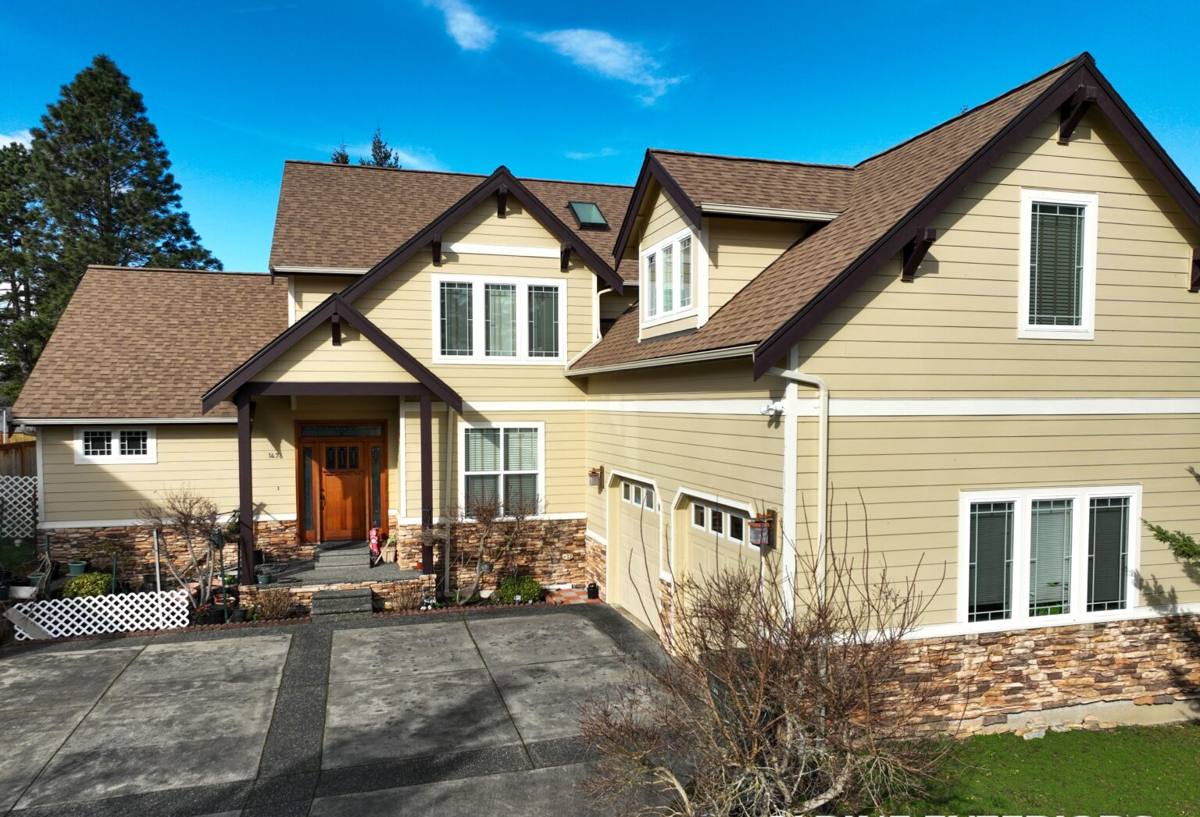
What Salt Air, Driving Rain, and Moss Actually Do to a Window
Salt Air
Airborne salt doesn't need to be blowing off the water directly onto your house to matter — it travels on the wind and settles as a fine residue on exterior surfaces. Over years, it accelerates corrosion on hinges, cranks, and locking hardware, and it degrades certain finishes faster than a inland install would experience. Aluminum-clad and lower-grade hardware are especially vulnerable.
Driving Rain
Rain that comes in at an angle finds every gap a straight-down rain would miss. Window installations in exposed spots need flashing and sealant details that account for wind-driven water pressing against the frame, not just gravity pulling water down the wall. A window installed to a "calm weather" standard will leak here eventually — it's a matter of when, not if.
Moss and Sustained Moisture
Whatcom County's long wet season keeps wood trim, sills, and siding damp for extended stretches. Moss and algae thrive in that environment, and where they take hold on a sill or the wall around a window, they hold moisture against the surface far longer than open air would. That's how a small paint failure turns into a rot problem within a couple of wet seasons.
Signs a Custer Home Needs New Windows
Some of these show up gradually. Worth checking each window on the exposed (typically west- and south-facing) sides of the house at least once a year.
- Fog or moisture between panes of double- or triple-pane glass — the seal has failed and can't be repaired, only replaced
- Frames that are hard to open, close, or lock, especially after rain
- Visible gaps, cracked caulk, or daylight around the frame from inside
- Soft or discolored wood at the sill or the trim directly below the window
- Moss or dark streaking on the siding beneath a window, which often points to water running off the sill and not shedding cleanly
- A noticeable draft near the window on a windy day, even with it fully closed
- Rising energy bills without a clear cause elsewhere in the house
What a Correct Installation Actually Involves
Window installation looks simple from the outside — old window out, new one in — but the parts nobody sees are what determine whether it holds up to this climate. A correct install includes:
- Sill pan flashing that directs any water intrusion back out rather than into the wall cavity
- Properly lapped house wrap and flashing tape around the opening, sequenced so water sheds downward and outward at every layer
- Backer rod and exterior-grade sealant rated for sustained UV and moisture exposure, not standard interior caulk
- Shimming and squaring the unit so it operates smoothly and seals evenly — a slightly racked frame will leak at one corner even with perfect caulking
- Insulation in the gap between the frame and rough opening, without overpacking it, which can bow the frame
- Interior and exterior trim sealed and finished to shed water away from the new seams
Skip any one of these steps and the window itself can be excellent quality and still fail in a few years, right at the flashing or seal.
Choosing the Right Window Material for This Climate
There's no single "best" window — the right choice depends on exposure, budget, and how much upkeep you want to take on. Here's how the common options hold up against salt air, driving rain, and a long wet season:
| Material | Salt Air / Corrosion Resistance | Moisture Handling | Maintenance |
|---|---|---|---|
| Vinyl | Good — won't corrode, hardware is the main wear point | Good; no rot risk in the frame itself | Low — occasional cleaning |
| Fiberglass | Very good — dimensionally stable, resists pitting | Very good; holds up well to sustained damp | Low to moderate |
| Wood (unclad) | Poor without diligent upkeep — finish breaks down faster near salt air | Requires consistent sealing to avoid rot | High — repainting/sealing on a schedule |
| Wood-clad (vinyl or aluminum exterior) | Good on the exterior face; hardware still a factor | Good if flashing details are done right | Moderate — interior wood still needs care |
| Aluminum | Fair — prone to corrosion and pitting near salt air over time | Poor thermal performance, condensation-prone | Moderate |
For most homes in Custer's exposure, we steer people toward vinyl or fiberglass for the frame, paired with corrosion-resistant hardware. We're straightforward about the trade-offs on wood and aluminum here — not because either is a bad product everywhere, but because this specific climate asks more of a frame material than a drier, inland location would, and we'd rather set expectations up front than have a client surprised in five years.
Glass Considerations
Double-pane, low-E glass is the baseline we recommend for this area — it manages condensation and heat loss well. Triple-pane adds further insulation and sound dampening, which is worth discussing if the home is on a windier stretch or closer to a busier road, but it comes at a higher cost and added weight that some older frames aren't built to support.
Our Installation Process
- On-site assessment. We look at each window's exposure, the condition of the surrounding trim and sheathing, and whether there's existing water damage before quoting anything.
- Product selection. We walk through material, glass, and hardware options based on that specific home's exposure — not a one-size-fits-all recommendation.
- Removal and inspection. Once the old window is out, we check the rough opening for rot or moisture that wasn't visible from outside. Any damaged framing gets addressed before the new window goes in — installing over a compromised opening just hides the problem.
- Flashing and installation. Sill pan, flashing tape, the new unit set square and shimmed, sealed per manufacturer spec and adjusted for this area's wind-driven rain exposure.
- Trim and finish work. Interior and exterior trim reinstalled or replaced, sealed, and finished.
- Walkthrough. We test operation and locks on every window before calling the job done.
Cost Factors to Expect
Every home is different, but these are the main variables that move the price on a window installation job:
| Factor | Why It Matters |
|---|---|
| Number and size of windows | Larger openings and full-house jobs have different labor and material scaling than a single replacement |
| Frame material | Vinyl is typically the most budget-friendly; fiberglass and wood-clad cost more upfront but often less over the window's life |
| Existing damage | Rot or water damage found at the rough opening adds repair work before the new window can go in correctly |
| Glass package | Double-pane low-E is standard; triple-pane and specialty coatings add cost |
| Access and exposure | Second-story windows, tricky access, or heavily exposed walls can add labor time |
We give a written, itemized estimate before any work starts — no surprise line items once the job is underway.
Why It Matters to Hire a Crew That Already Works in Custer
A window installer who mostly works drier, more sheltered areas of Whatcom County may not default to the flashing and sealing details that matter most for a home dealing with driving rain and salt air. It's not a difference in skill — it's a difference in what they're used to accounting for. A crew that regularly works properties in this specific exposure knows to check hardware corrosion resistance without being asked, to flash for wind-driven rain as standard practice rather than an upgrade, and to recognize early moss or moisture signs around a window before they become a rot problem.
That local familiarity also means straight answers about what a given house actually needs versus what would be overkill — useful either way when you're deciding where to spend the budget.
Get a Straight Answer for Your Windows
If a window in your Custer home is drafty, fogged, sticking, or just old enough that you're wondering, we're happy to take a look and give you a clear, no-pressure estimate — what it needs, what it would cost, and why. Use the form below to get started.