 Lynden
 Metal Roofing Built for What Custer Weather Actually Does
Custer sits in a stretch of Whatcom County where the weather doesn't do subtle. Winters bring long stretches of driving rain that comes in sideways more often than straight down. There's enough salt influence in the air off the nearby waters to matter for anything metal on a roof. And for a good chunk of the year, especially on north-facing slopes and under tree cover, conditions are exactly what moss wants: shade, moisture, and mild temperatures that never really dry things out. None of that is unique to Custer, but it's more constant here than in a lot of places, and it changes what "correct installation" actually means for a metal roof.
We install and maintain metal roofing across the Lynden area and out into the surrounding Whatcom County communities, Custer included. This page covers what local homes actually need from a metal roof, what a proper job looks like, and how we run the work from first estimate to final cleanup.
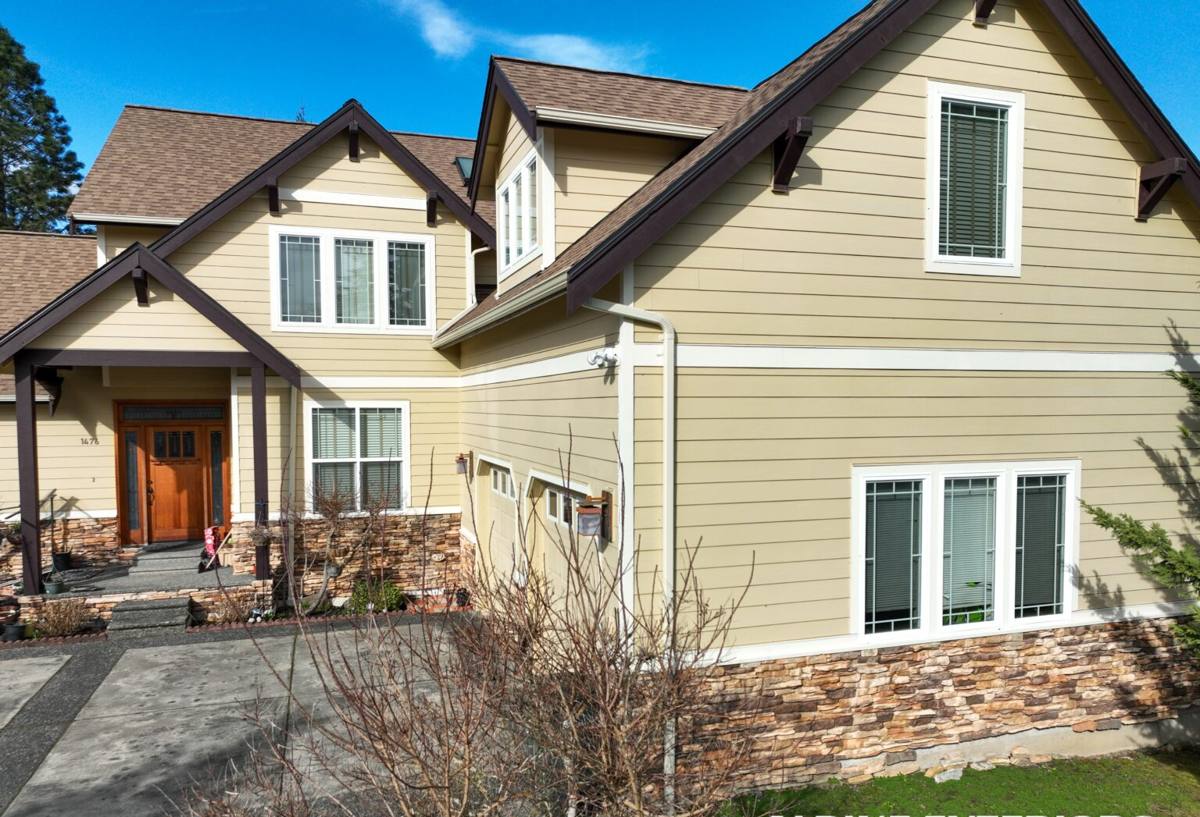
What Whatcom County Weather Does to a Roof Over Time
Salt Air and Fastener Corrosion
Metal roofing lives or dies by its fasteners, flashing, and cut edges. In areas with any salt exposure, ungalvanized or poorly coated steel components can start showing rust years before the panels themselves show any wear. It's rarely the panel that fails first — it's the screw, the exposed cut edge, or a mismatched metal touching another metal it shouldn't. We spec fasteners and flashing rated for the exposure level a given property actually has, not the cheapest option that technically fits.
Driving Rain and Wind-Driven Water
A lot of roofing details that work fine in a dry climate fail here because they were never designed for rain moving horizontally. Wind-driven rain finds its way under laps, around penetrations, and through fastener holes that weren't sealed correctly. On a metal roof, the panel overlaps, the underlayment behind them, and the flashing at every transition all have to be built assuming water will be pushed uphill at some point during a storm, not just running downhill with gravity.
Moss and Trapped Moisture
Moss doesn't damage metal the way it damages shingles or wood, but it's not harmless either. Moss mats hold moisture against the panel surface and against fasteners, which speeds up corrosion in exactly the spots you're trying to protect. Moss buildup in valleys and at panel laps can also back water up under the metal instead of letting it run off, which turns a non-issue into a leak over time.
Why Metal Roofing Makes Sense for Custer Homes
Metal isn't the right fit for every budget or every roof, and we'll say so plainly during an estimate. But for homes dealing with this area's rain volume and moss pressure, it has real advantages:
- Steep-slope water shedding that clears standing moisture faster than a flat or low-slope roof surface
- A hard, low-texture surface that gives moss less to grip onto compared to rougher roofing materials
- Long service life when the installation details are handled correctly, which reduces how often the roof is touched at all
- Strong performance in wind, which matters during the winter storm season Whatcom County sees regularly
- Non-combustible surface material, which some homeowners weigh alongside wildfire smoke and ember concerns in dry summer stretches
The trade-off is upfront cost and the fact that metal roofing is far less forgiving of installation mistakes than some other materials. A panel run installed slightly wrong doesn't fail today — it fails in year six, during the wrong storm, and by then it's a much bigger repair than it needed to be.
What a Correct Metal Roof Installation Actually Involves
Underlayment and Ice-and-Water Barrier
Metal panels are the visible layer, but the underlayment underneath is doing a lot of the actual water management. In a climate with this much sustained rain, we don't treat underlayment as an afterthought — it's a synthetic, high-temp-rated layer with self-adhered ice-and-water membrane at eaves, valleys, and any low-slope transition where water is most likely to sit or back up.
Fastening and Panel Layout
Fastener spacing, torque, and placement affect both leak resistance and how the panel handles thermal expansion. Panels that are over-fastened or fastened without allowing for movement can oil-can, buckle, or work fasteners loose over a few seasons of temperature swings. Layout also matters for how water sheds off the roof — panel runs and overlap direction should account for the prevailing wind and rain direction on that specific roof, not just be installed the same way regardless of orientation.
Flashing at Every Transition
Valleys, chimneys, skylights, sidewalls, and roof-to-wall transitions are where the overwhelming majority of metal roof leaks actually start — almost never in the middle of a plain panel run. Custom-bent, properly lapped flashing at every one of these points is non-negotiable, especially given how much wind-driven rain this area sees during winter storms.
Ventilation
A metal roof installed over a poorly ventilated attic can trap moisture underneath it, which leads to condensation issues that have nothing to do with the roof surface itself and everything to do with airflow. We check and correct intake and exhaust ventilation as part of a proper metal roof job, not as a separate add-on someone has to ask for.
Metal Roofing Options We Install
Not every metal roofing product suits every home or budget. Here's how the main options compare for a property like one you'd find in the Custer or Lynden area:
| Panel Type | Typical Cost Factor | Maintenance | Best Fit |
|---|---|---|---|
| Standing Seam | Highest | Low — concealed fasteners, fewer failure points | Homes prioritizing longevity and a clean, modern look |
| Exposed Fastener Panel | Moderate | Moderate — fasteners need periodic inspection and eventual replacement | Budget-conscious projects, outbuildings, shops |
| Stone-Coated Steel | Higher | Low to moderate — coating protects surface but detailing still matters | Homeowners wanting a traditional shingle or shake appearance with metal's durability |
Concealed-fastener systems like standing seam generally hold up best in a climate with this much sustained rain and salt influence, simply because there are far fewer exposed penetration points for water and corrosion to work through. Exposed-fastener panels can still be a sound choice, but they ask more of the maintenance schedule down the road.
Our Process, Start to Finish
- On-site assessment — we look at the existing roof structure, decking condition, ventilation, and any problem areas before quoting anything
- Written estimate — clear scope, materials, and pricing, with the trade-offs between panel options explained plainly
- Tear-off and deck inspection — old roofing removed, decking checked and repaired where needed before anything new goes down
- Underlayment and flashing installation — the water-management layer that does most of the real work
- Panel installation — laid out and fastened for this roof's specific slope, exposure, and wind direction
- Final walkthrough and cleanup — site cleared, magnetic sweep for stray fasteners, and a walkthrough so you know exactly what was done
Maintenance in a Moss-Prone Area
Metal roofing needs less maintenance than most materials, but "less" isn't "none," especially with the moss pressure common to shaded and north-facing roofs in this part of Whatcom County. A short annual routine keeps small issues from becoming roof issues:
- Clear debris and organic buildup from valleys and low-slope sections, where moss tends to establish first
- Check gutters and downspouts are running clear — clogged gutters back water up under eave flashing
- Look for streaking or discoloration at fastener heads or panel laps, which can signal an early corrosion point
- Trim back overhanging branches that keep sections of roof shaded and damp longer than the rest
- Have flashing at chimneys, skylights, and sidewalls inspected every few years, since these are the points most likely to need attention first
Why Hire a Crew That Already Works Custer and Lynden
A metal roof installed by a crew unfamiliar with this specific climate tends to look fine on day one and show its weaknesses years later — undersized flashing, wrong fastener spacing for the wind exposure, underlayment that wasn't rated for how much rain actually sits against it here. Working across Lynden and out into communities like Custer means we've seen how roofs in this part of Whatcom County actually age, not just how they're supposed to perform on paper. That shapes real decisions: which fasteners we spec, how we detail valleys, and where we tell a homeowner a cheaper option is a fine choice versus where it's a decision they'll regret in a few winters.
If you're weighing a metal roof for a home in the Custer area, we're glad to come take a look and give you a straight assessment — what your roof actually needs, what it doesn't, and what it would cost to do right. Fill out the form below for a free, no-pressure estimate.