 Lynden
 Blaine's Coastal Climate Puts Extra Demands on a Roof
Blaine sits right on the water at the northern edge of Whatcom County, and that location shapes what a roof has to put up with year after year. Homes near Semiahmoo Bay and Drayton Harbor deal with salt-laden air blowing in off the water, driving rain that comes in sideways during winter storms, and long stretches of damp, shaded weather that keep roof surfaces wet far longer than homes even a few miles inland. An asphalt shingle roof that would hold up fine in a drier part of the state can wear out faster here if it wasn't specified and installed with this climate in mind.
We've installed and repaired asphalt shingle roofs throughout Whatcom County, and Blaine's combination of salt exposure, wind, and moss pressure is genuinely a different challenge than what we see on a typical Lynden or inland job. This page covers what that means in practice — for the shingle itself, for the installation details underneath it, and for the upkeep that keeps a roof performing for its full expected life.
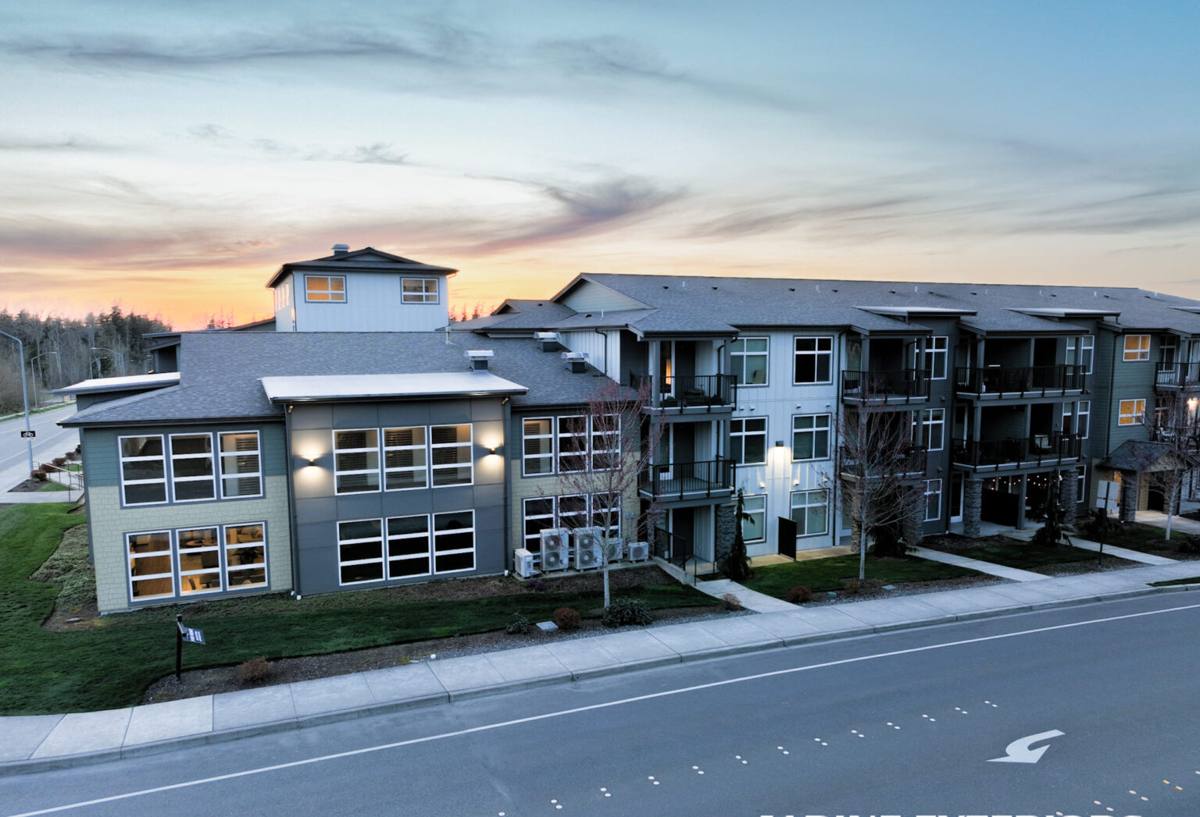
What a Roof in Blaine Needs to Handle
Salt-Laden Air and Metal Components
Asphalt shingles themselves aren't particularly bothered by salt air, but the metal parts of a roofing system — flashing, fasteners, vents, and drip edge — are. Cheaper or mismatched metal components can corrode faster in a coastal environment, and once flashing starts to fail, water finds its way underneath the shingles rather than off of them. We spec corrosion-resistant flashing and fasteners on Blaine roofs as a matter of course, not as an upgrade.
Wind-Driven Rain and Water Intrusion
Open water means wind, and wind during a rainstorm pushes water uphill under shingle edges, into nail heads, and around any penetration in the roof — vents, chimneys, skylights. A shingle roof only sheds water correctly when every layer underneath it, not just the shingles themselves, is doing its job. That's why the underlayment, flashing, and starter course details matter more here than they would on a calm, sheltered roof.
Moss, Shade, and Slow-Drying Roof Surfaces
Western Washington grows moss on roofs generally, but Blaine's marine humidity and the shaded, tree-lined lots common in this part of the county keep roof surfaces damp for longer stretches between dry spells. Moss isn't just a cosmetic problem — as it grows, it lifts shingle edges, holds moisture against the roof deck, and accelerates granule loss. A roof that isn't shedding moss well is aging faster than its warranty assumes.
Choosing the Right Asphalt Shingle for This Climate
Asphalt shingles aren't all built to the same standard, and the right choice for a Blaine home usually isn't the cheapest option in the aisle. We look at wind rating, algae resistance, and how the shingle's granule and mat construction hold up to repeated wet-dry cycling.
| Shingle Type | Typical Lifespan | Wind Rating | Best Fit For Blaine |
|---|---|---|---|
| Standard 3-tab | 15-20 years | Lower (60-70 mph class) | Budget projects on sheltered lots; not our first recommendation on open, wind-exposed sites |
| Architectural / laminate | 25-30 years | Higher (110-130 mph class) | Our standard recommendation for most Blaine homes — better wind performance and a heavier mat |
| Premium impact-resistant laminate | 30+ years | Highest available in asphalt | Exposed waterfront or higher-elevation sites that take the brunt of storms off the bay |
Within any of these categories, we also favor shingles with algae-resistant granules (usually copper- or zinc-infused) as close to standard on Blaine jobs, since the marine humidity here is exactly the condition that grows dark algae streaking fastest. It's a modest cost difference that pays for itself in how the roof looks ten years out.
What a Correct Asphalt Shingle Installation Involves
The shingle brand and style get the attention, but most roof failures we're called out to repair trace back to something underneath the shingles, not the shingles themselves. A correct installation for this climate includes:
Tear-Off and Deck Inspection
We don't install new shingles over old ones, and we don't skip inspecting the deck once the old roofing is off. Coastal moisture can soften sheathing in ways that aren't visible from the surface, and any soft or delaminated decking gets replaced before anything new goes down.
Underlayment and Ice-and-Water Barrier
A synthetic underlayment across the whole roof, with self-adhered ice-and-water barrier at eaves, valleys, and around every penetration, gives the roof a second line of defense if wind-driven rain gets past the shingles themselves — which, in a storm off the water, it eventually will at some point in the roof's life.
Flashing at Every Transition
Chimneys, skylights, wall-to-roof transitions, and valleys are where the majority of leaks actually start. We use corrosion-resistant step flashing and counter-flashing at these points rather than relying on sealant alone, since sealant is a maintenance item and metal flashing is a permanent one.
Ventilation That Matches the Climate
Balanced intake and exhaust ventilation keeps the underside of the roof deck dry and keeps attic moisture from condensing against cold sheathing during Blaine's damp winters. Poor ventilation shortens shingle life from underneath, regardless of how good the shingle is.
Nailing and Wind Rating Compliance
Every shingle has a manufacturer nailing pattern tied to its wind warranty. We follow it exactly — correct nail count, placement, and fastener type — because a wind-rated shingle installed with the wrong nailing pattern isn't actually wind-rated anymore.
Our Process, Start to Finish
- Roof inspection and honest assessment of whether the job is a repair or a full replacement
- Written estimate covering shingle options, tear-off, and any deck repair contingencies
- Tear-off, deck inspection, and repair of any soft or damaged sheathing
- Underlayment, ice-and-water barrier, and flashing installed at every transition
- Shingle installation to manufacturer nailing and ventilation specifications
- Site cleanup, including magnetic sweep for stray fasteners
- Final walkthrough so you know exactly what was done and what to expect going forward
Keeping a Blaine Roof Ahead of Moss Season
Good installation buys you a strong starting point, but Blaine's climate means ongoing upkeep matters more here than in drier parts of the state. A short seasonal checklist for homeowners:
- Clear gutters and downspouts before the fall rains start, so water isn't backing up under the eaves
- Have moss physically removed rather than just treated — chemical moss killers alone leave dead moss mats that still hold moisture against shingles
- Trim back overhanging branches where you can, since shade and leaf debris are what let moss get established in the first place
- Walk the yard after a windstorm and look for granules collecting in gutters or at downspout outlets — that's a sign of accelerating shingle wear
- Schedule a roof check every couple of years, or after any major windstorm off the bay, rather than waiting for a visible leak
Signs Your Blaine Home May Need Roof Repair or Replacement
A few warning signs come up more often on coastal Whatcom County homes than elsewhere:
- Dark streaking or green-black staining across the shingle field, which usually points to algae growth rather than dirt
- Moss visibly established along the shaded slopes or the north-facing side of the roof
- Curling, cupping, or lifted shingle edges, which show up faster where wind exposure is higher
- Rust staining running down from flashing or vent boots
- Granule buildup in gutters, a sign the shingle surface is wearing thin
- Any daylight or staining visible in the attic near roof penetrations
None of these mean the roof needs to be replaced immediately, but they're worth having looked at before the next winter storm season rather than after a leak shows up on a ceiling.
Why Hiring a Crew That Already Works Blaine Matters
A roofing crew that mostly works drier, more sheltered parts of Whatcom County can still do competent work, but they may not default to the coastal-grade flashing, algae-resistant shingles, or moss-conscious detailing that a Blaine roof benefits from unless it's specifically called out. Working this area regularly means we already know which slopes on a given lot hold moss longest, which details matter most against wind-driven rain off the water, and what a roof actually needs to hold up here rather than in a more sheltered inland town. That familiarity shows up less in any single visible feature and more in the roof simply lasting as long as it's supposed to.
If you're weighing a repair against a full replacement, or just want an honest read on where your current roof stands, we're happy to take a look. Reach out for a free, no-pressure estimate using the form below.