 Lynden
 Storm Damage Roof Repair for Acme, Near Lynden
Acme sits up against the foothills east of Lynden, close enough to the water to catch salt-laden air off the Puget Sound and Georgia Strait, and high enough into Whatcom County's terrain to take the brunt of winter windstorms rolling off the Fraser Valley. That combination is hard on roofs. Homes here don't just deal with rain — they deal with driving, wind-pushed rain that finds every gap in flashing, plus a moss season that can run eight months out of the year. When a storm comes through and knocks loose shingles, lifts flashing, or drives water under a roof edge, the damage is rarely limited to what you can see from the ground.
This page covers what storm damage roof repair actually looks like for homes in and around Acme — what the local climate does to roofing systems, what a correct repair involves, and why it matters that the crew doing the work already understands this specific stretch of Whatcom County.
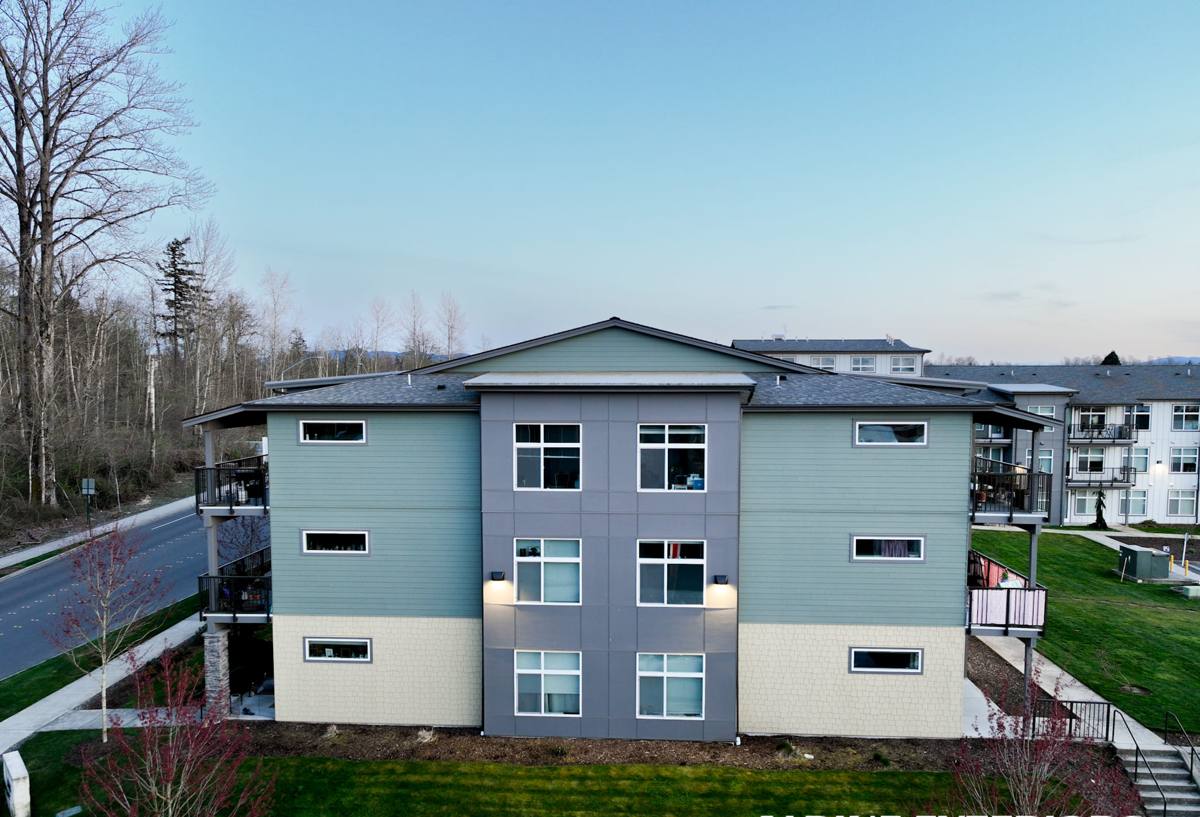
What Whatcom County Storms Do to Acme Roofs
Roof damage in this area rarely comes from one dramatic event. More often it's a pattern: a windstorm loosens a few shingles or a section of ridge cap, rain gets underneath before anyone notices, and by the time a stain shows up on a ceiling, the underlayment and decking have already been wet for weeks or months.
Wind and Driving Rain
Acme's elevation and exposure mean wind gusts during fall and winter storms can hit roofs at an angle, not just straight down. That sideways force is what pries up shingle edges, loosens ridge and hip caps, and pushes water past flashing that would otherwise shed rain fine in a calm downpour. Once a shingle tab is lifted even slightly, the next rain event drives water underneath it instead of over it.
Salt Air and Metal Corrosion
Homes closer to the water side of Whatcom County deal with a slow, steady corrosion problem most inland roofs never see. Salt air accelerates rust on exposed fasteners, flashing seams, and metal roof edges. A nail head or flashing joint that would last decades inland can start showing rust streaks and pinholes years earlier out here, and a corroded fastener is a leak waiting to happen the next time wind puts pressure on that section of roof.
Moss and Trapped Moisture
Whatcom County's mild, wet climate is close to ideal for moss growth, and Acme's tree cover and shade patterns make it worse in spots. Moss doesn't just look bad — it holds moisture directly against the shingle surface long after the rest of the roof has dried out, which shortens shingle life and makes storm damage worse when it happens, because the roofing material underneath is already softened and weakened.
Signs Your Acme Home May Have Storm Damage
Storm damage isn't always obvious from the driveway. Some of the most costly problems start small and stay hidden until they've caused real damage underneath. After any significant wind or rain event, it's worth checking for the following:
- Shingles that look lifted, curled, or out of alignment compared to the rest of the roof
- Granules collecting in gutters or at the base of downspouts
- Bent, loose, or missing flashing around chimneys, vents, or roof-to-wall transitions
- Soft or spongy spots when walking the roof (a sign decking may already be wet)
- New or spreading ceiling stains inside the home, especially near exterior walls or skylights
- Daylight visible through the roof deck from inside an attic
- Heavier-than-normal moss buildup concentrated in one area, which can mask lifted shingles underneath
- Debris or branch strikes that may have cracked or punctured shingles without an obvious hole
Any one of these on its own might be minor. Several together, especially after a windstorm, are worth a proper inspection before the next round of rain.
What a Correct Storm Damage Repair Actually Involves
A rushed storm repair — one that just re-nails a loose shingle or smears sealant over a visible gap — often fails within a season or two. A correct repair addresses what's underneath the visible damage, not just the symptom.
A Real Inspection, Not a Guess From the Ground
Storm damage needs to be assessed on the roof itself, not from binoculars in the yard. That means checking the decking for soft spots, pulling back shingles near suspected leak points to check underlayment condition, and inspecting flashing at every penetration — chimneys, vents, skylights — since those are the most common places driving rain gets in.
Matching Materials, Not Just Patching
Shingles fade and wear unevenly over time, and a mismatched patch stands out and can also perform differently than the surrounding roof. Where a full match isn't possible, the goal is a repair that blends reasonably and, more importantly, ties into the existing roofing system correctly at every seam and overlap so water sheds the way it's supposed to.
Flashing and Underlayment First
Given how much of the damage in this area starts with wind-driven rain finding a gap, flashing repair or replacement is often the real fix — even when the visible complaint is a handful of missing shingles. If underlayment has been wet long enough to compromise the decking, that gets addressed too. Covering wet decking with new shingles and calling it done just delays a bigger repair.
Checking the Whole Roof, Not Just the Damaged Section
A storm that damaged one section usually put stress on the whole roof. Part of a proper repair visit is a quick check of ridge caps, valleys, and other vulnerable areas so a second storm doesn't turn into a second service call for a problem that was already developing.
Common Storm Repair Types and What Affects Cost
Every roof and every storm is different, so exact pricing depends on the inspection. In general terms, here's how common repair types compare and what tends to drive the cost up or down:
| Repair Type | What's Typically Involved | Main Cost Factors |
|---|---|---|
| Shingle replacement (localized) | Removing and replacing a small section of damaged or missing shingles | Roof pitch, accessibility, and whether matching shingles are available |
| Flashing repair | Resealing or replacing flashing at chimneys, vents, or wall transitions | Number of penetrations, corrosion level, and metal type |
| Decking repair | Removing wet or damaged plywood/sheathing before re-roofing that section | How far moisture has spread and how long it's been wet |
| Ridge and hip cap repair | Re-securing or replacing lifted or cracked cap shingles | Length of ridge affected and wind exposure of the roof plane |
| Moss and debris removal with inspection | Clearing growth and debris to expose the roof surface for a proper look | Extent of growth and roof accessibility |
As a general rule, the sooner storm damage is addressed, the smaller the repair. Damage caught within days of a storm is often a shingle and flashing job. The same damage left through a few more rain events can turn into a decking repair, which costs more and takes longer.
Our Process for Storm Damage Calls in Acme
- Initial contact and triage. We ask what happened and what you're seeing, so we know whether it's a get-there-today situation or a scheduled inspection.
- On-roof inspection. We physically inspect the affected area and the surrounding roof, including flashing, decking, and ventilation, not just the spot you noticed.
- Clear explanation before any work starts. We tell you what we found, what caused it, and what the repair options actually are — including when a simple repair is genuinely enough and a full replacement isn't necessary.
- Repair, done to hold. We fix the actual cause of the leak or damage, not just the visible symptom, using materials suited to this area's wind and moisture conditions.
- Follow-up if needed. If a repair was done ahead of confirming full storm impact, we'll recommend a follow-up check after the next significant rain to make sure it held.
Storm Damage and Homeowners Insurance
Many storm-related roof repairs are covered under homeowners insurance policies, but coverage details vary by policy and by insurer. If you're planning to file a claim, it helps to have documentation of the damage and a clear, honest description of the repair scope before the adjuster visits. We can provide our inspection findings in a form that's useful for a claim, but we don't inflate scope or damage descriptions to help a claim along — an accurate assessment protects you better in the long run than an exaggerated one.
Why Hiring a Crew That Already Works in Acme Matters
Storm damage repair isn't just a generic skill — it's shaped heavily by what the local climate does to roofs. A crew that regularly works this part of Whatcom County already knows which flashing details tend to fail first in wind-driven rain, how aggressive the moss growth gets on shaded roof planes around Acme, and how salt air affects fastener life on homes closer to the water. That familiarity means less time spent figuring out what's normal for the area and more time spent on the actual repair. It also means we're not guessing at material choices that hold up here — we're using what we've already seen perform, or fail, on roofs like yours.
If your Acme-area home has taken storm damage, or you just want an honest read on a roof after a rough winter, we're happy to take a look. The estimate is free, there's no pressure, and you'll get a straight answer about what actually needs to be done — use the form below to get started.